
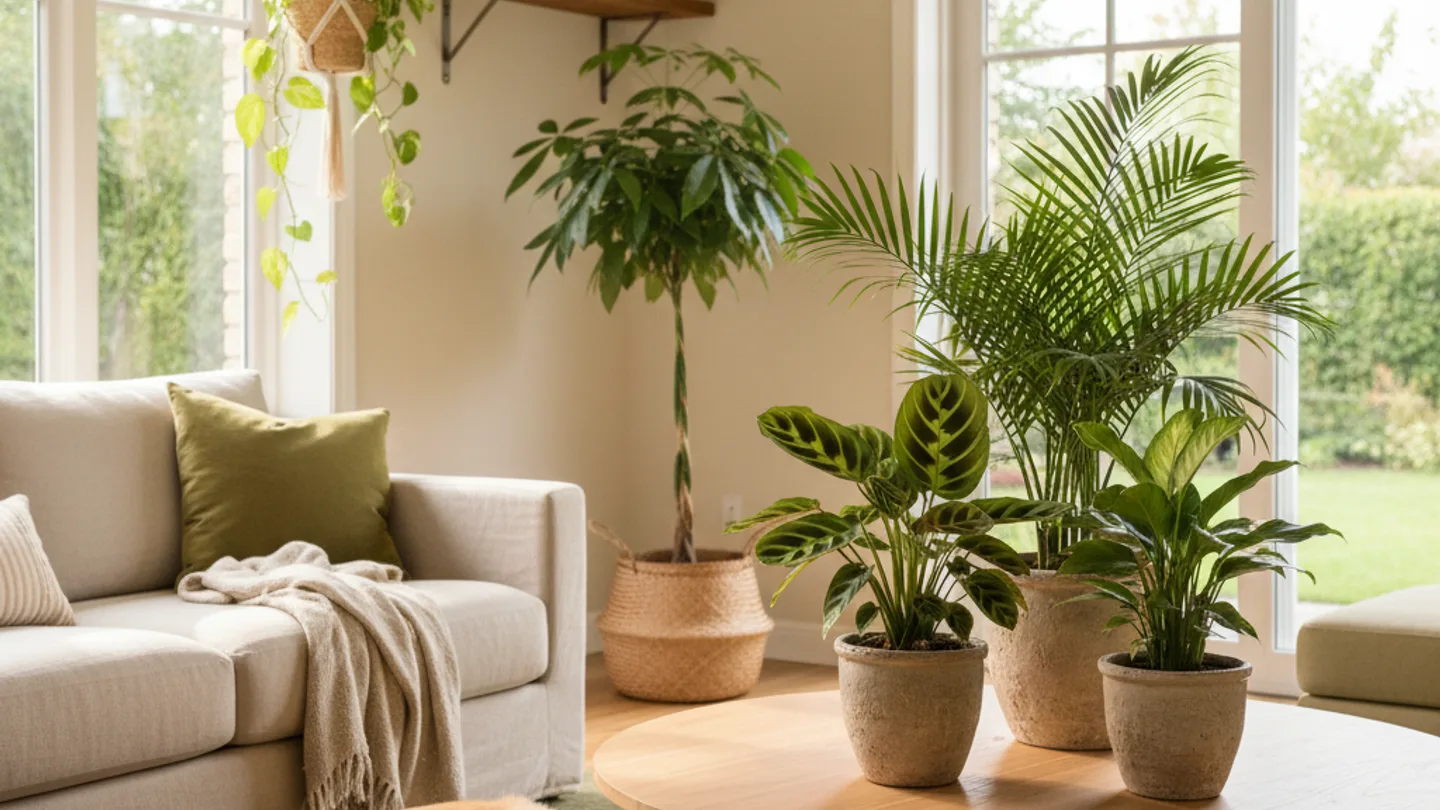
Pet-Safe Houseplants
Know before you grow
Beautiful plants. Safe pets. Clear answers. Every guide starts with one simple verdict: is this plant toxic to cats, dogs, or both.
Why Pawproof
What you get on every page
The verdict first
Is it toxic to cats, dogs, or both? The answer sits at the top of every guide. No scrolling, no guessing.
A safe swap
Love a plant that is risky for pets? We suggest a pet-safe alternative with a similar shape and light need.
Jargon, explained
Calcium oxalate crystals are tiny sharp crystals that can irritate your pet's mouth and throat. That is how we explain everything: simply.
Real home care
Our tips match apartments and houses, not greenhouses. Low light, busy schedules and curious pets included.
How we work
Our promise in numbers
1
clear verdict at the top of every plant guide
2
species covered: cats and dogs, checked separately
100%
independent content, written for pet owners first
4
quick questions: toxicity, symptoms, alternatives, care
Made for you
Who Pawproof Plants is for
Cats chew. We plan for it.
Cats nibble leaves out of boredom, play or pure curiosity. Many popular houseplants, from lilies to pothos, can cause real problems for them.
Our guides tell you which plants are risky for cats, what symptoms to watch for, and which safe picks give you the same look.
Dogs dig, chew and taste everything
Puppies and bored dogs often treat plants like snacks. Some common species can upset their stomach or worse.
We flag the plants to keep out of reach and suggest sturdy, pet-safe options that cope with a busy household.
Start with plants that forgive
New to plants and pets at the same time? Begin with easy, generally considered non-toxic species that suit your light and routine.
Our care tips are written for real rooms: north-facing windows, small shelves, and homes where a leaf is always within paw's reach.
Give a plant, not a worry
Buying for a friend with a cat or dog? Check the plant first. A quick search tells you if your gift is a safe surprise.
If it is risky, we point you to a pet-safe alternative that looks just as good wrapped.
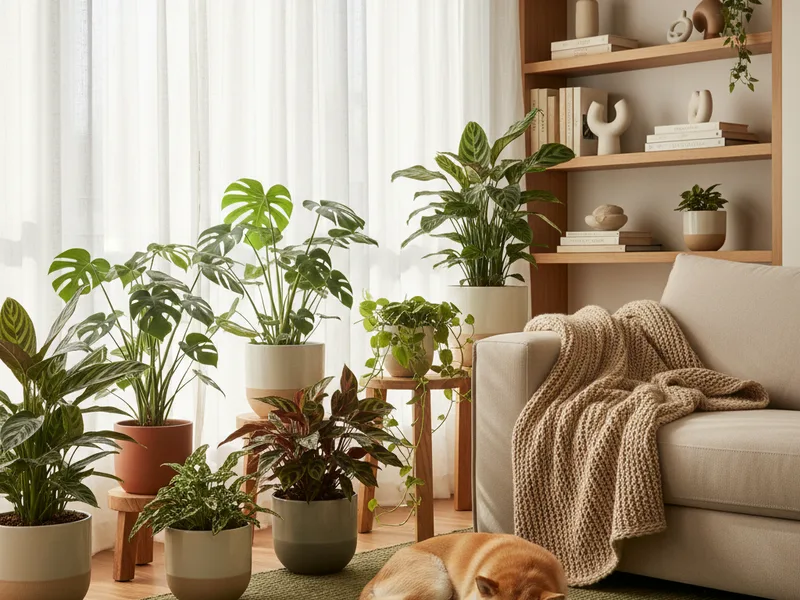
Plain words for complicated risks
Plant toxicity pages are often full of terms like insoluble calcium oxalate or saponins. We translate those into what they actually mean for your pet: irritation, drooling, vomiting, or a reason to call the vet.
You will never see alarmist headlines here. You will also never see us call a plant completely harmless. We say generally considered non-toxic, and we always advise contacting your vet if your pet shows symptoms after eating a plant.
Calm, clear, and practical. That is how pet safety information should read.
How it works
From plant in hand to clear answer
Search the plant
Type the name of the plant you found on Instagram, Pinterest or in the shop. Common names and Latin names both work.
Read the verdict first
The first line tells you if it is toxic to cats, dogs, or both. Details and symptoms follow underneath, in short mobile-friendly blocks.
Check the safe alternative
If the plant is risky, we suggest a pet-safe swap with a similar look and light level, so your styling idea survives.
Match it to your home
Care tips are tuned to real light and real routines, from dim rental corners to bright kitchen windowsills.
Questions pet owners ask us
My pet ate a plant. What should I do first?
Remove any plant pieces from your pet's mouth and check our guide for that plant's risk level. If your pet shows symptoms like vomiting, drooling, swelling or unusual behavior, contact your vet or a pet poison helpline right away. Bring a photo or sample of the plant if you can.
Do you check toxicity for cats and dogs separately?
Yes. A plant can be mild for dogs and serious for cats, or the other way around. Every verdict states clearly which species is affected, so you never have to guess.
What does 'generally considered non-toxic' mean?
It means the plant is not known to cause poisoning in cats or dogs. Even then, eating large amounts of any plant can upset a pet's stomach. No plant is completely harmless, so keep an eye on nibblers and call your vet if symptoms appear.
Can I keep a toxic plant if I put it out of reach?
Sometimes, but it depends on your pet. Cats climb and knock things over, and fallen leaves are easy to chew. If you love the look, our pet-safe alternatives often give you the same style without the worry.
Will the alternatives really survive my low light?
Our alternatives are chosen to match the original plant's look and light level. If your room is dim, we say so and suggest options that cope with it, not plants that need a greenhouse to thrive.
Not sure about a plant in your home?
Send us the plant's name or a description and we will point you to the right guide, or help you find a pet-safe alternative that fits your space.