Is Lantana Toxic to Cats and Dogs?
What makes lantana toxic
Triterpenoids are a group of natural compounds. In lantana, they are concentrated in the leaves, stems and flowers. When a pet eats them, these compounds are hard on the liver. They interfere with how the liver processes bile, and over time that can cause liver cells to die.
Liver damage from lantana can be slow to show. A pet may seem fine for a day or two while the liver is quietly struggling. By the time symptoms become obvious, the damage can already be serious. That delayed onset is one reason vets treat lantana ingestions urgently even when a pet seems okay right after eating the plant.
Lantana leaves can also irritate the stomach and intestines. That often leads to vomiting and diarrhea early on, before liver symptoms appear. Those early signs are a warning worth taking seriously.
Unripe berries carry the highest risk
Lantana produces small berries that ripen from green to dark purple or black. The unripe green berries are the most toxic part of the plant. They contain the highest concentration of triterpenoids.
This matters for dogs especially. A dog sniffing around a lantana bush on a walk may grab a fallen berry before you even see it. Green berries are small, easy to swallow and easy to miss. Ripe berries are less concentrated, but they are still not safe to eat.
If your dog or cat has eaten any part of a lantana plant, treat it as urgent. Do not wait to see if symptoms develop on their own.
Where pets run into lantana
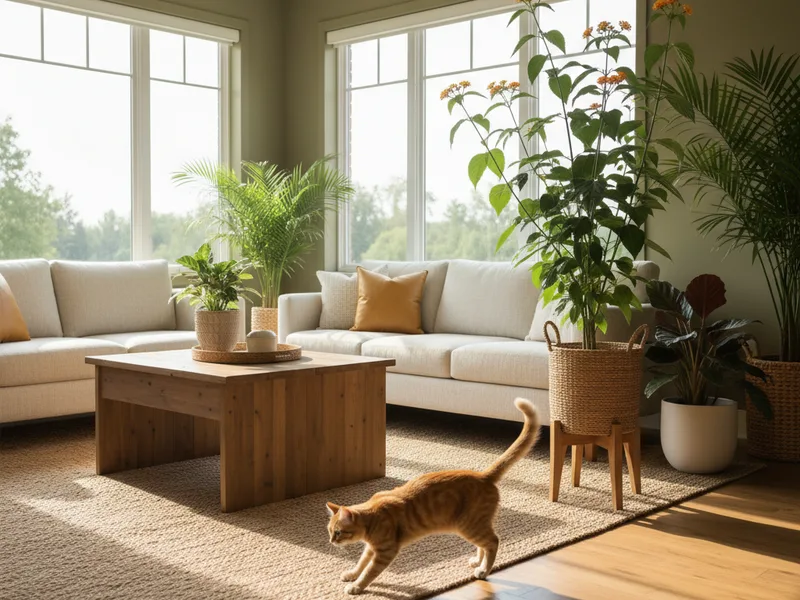
Lantana is a warm-climate plant. It grows outdoors year-round in the southern United States, including Florida, Texas, Arizona and Southern California. In cooler states it is a popular summer annual in garden beds, hanging baskets and containers on porches and patios.
Dogs encounter lantana in yards, on walks through planted neighborhoods and around shared outdoor spaces like community gardens and parks. It is a common landscaping choice because it is drought-tolerant, colorful and attracts butterflies. Those same qualities mean it shows up in a lot of the places dogs spend time.
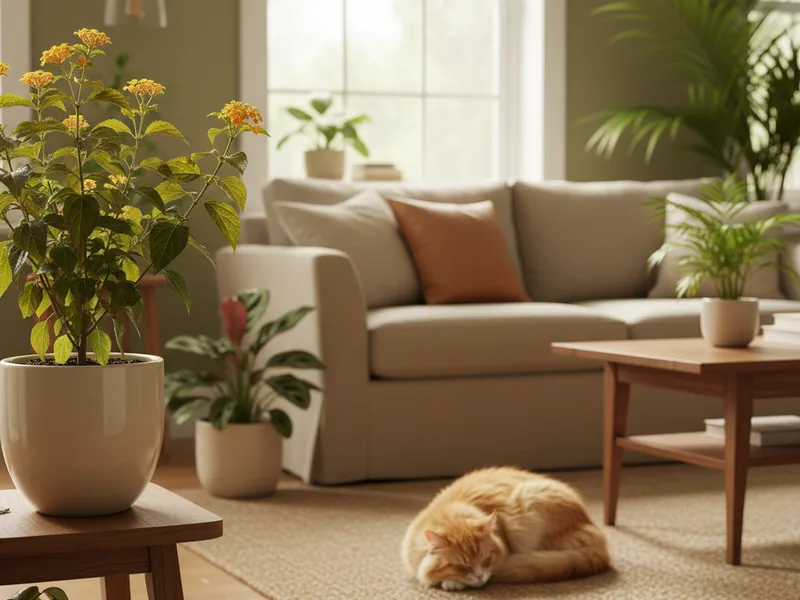
Cats are more likely to encounter lantana indoors when cut flowers or a container plant is brought inside. Curious cats may chew on leaves or petals. Outdoor cats in warm regions can also come across it in gardens.
If you are moving to a new home in a warm climate, check the landscaping before your pets go outside. Lantana is often planted by previous owners without any label or warning.
Symptoms to watch for
Symptoms of lantana poisoning can appear within hours, but the more serious liver-related signs may take one to two days to develop. This is why watching your pet at home after a suspected ingestion is not enough on its own.
Early symptoms include vomiting, diarrhea, drooling and loss of appetite. Your pet may seem tired or uninterested in food. These are common signs and easy to dismiss as a mild upset stomach. Do not dismiss them if you know or suspect lantana was eaten.
As the liver is affected, symptoms can include weakness, a swollen or painful belly, and jaundice. Jaundice is a yellowing of the skin, the whites of the eyes and the gums. It happens when the liver can no longer process bilirubin properly. Jaundice in a pet is always a reason to get to a vet immediately.
In severe cases, lantana poisoning can lead to liver failure. This is a life-threatening emergency. Early treatment significantly improves the outcome, which is why calling a vet right after ingestion, before symptoms appear, is always the right move.
What to do if your pet eats lantana
Call your vet or an animal poison control line right away. Do not wait for symptoms. Tell them what your pet ate, roughly how much and when it happened. If you can, take a photo of the plant or bring a small sample to help with identification.
Do not induce vomiting at home unless a vet tells you to. With liver-toxic plants, the timing and method of decontamination matter, and doing it wrong can cause more harm.
If your pet is showing any symptoms at all, go to an emergency vet rather than waiting for a regular appointment. Bring any plant material you have. The sooner treatment starts, the better the chances of a full recovery.
| Plant | Light | Notes |
|---|---|---|
| Coneflower (Echinacea) | Full sun | Bold color, drought-tolerant, pollinator favorite |
| Butterfly bush (Buddleia, non-invasive varieties) | Full sun | Check local rules, some varieties spread aggressively |
| Zinnia | Full sun | Fast annual, wide color range, great in containers |
| Milkweed (Asclepias) | Full sun to part shade | Essential for monarch butterflies, mild skin irritation possible |
Pet-safe plants that attract butterflies
Lantana is popular because it brings butterflies to the garden. You do not have to give that up. Several plants are generally considered non-toxic to cats and dogs and will still fill your garden with pollinators.
Coneflowers are one of the best swaps. They are hardy, come in a wide range of colors and are magnets for butterflies and bees. They grow well in full sun and handle dry spells without much fuss.
Zinnias are a fast, cheerful annual. They bloom from summer until frost, come in almost every color and do well in both garden beds and containers. They are a good option for smaller spaces and patios.
Before you plant, also check our guides to cyclamen and lavender if those are in or near your garden, since both have their own pet safety profiles. For a broader look at common houseplant risks, our Monstera guide follows the same format.
Common questions about lantana and pets
Is lantana toxic to dogs in small amounts?
Yes. Lantana is toxic to cats and dogs, including in the amounts found on an average garden plant. Even a few leaves or unripe berries can cause illness. Smaller pets and puppies are at higher risk from the same quantity because of their body weight. Contact a vet after any suspected ingestion.
Can lantana kill a dog or cat?
Yes. In severe cases, lantana poisoning can be fatal. The triterpenoids in the plant can cause liver failure if a large amount is eaten or if treatment is delayed. With fast veterinary care, most pets recover. The risk of a bad outcome goes up significantly the longer treatment is put off.
My dog ate lantana two days ago and seems fine. Should I still call the vet?
Jaundice is a yellowing of the skin, gums and whites of the eyes. It happens when the liver cannot process a substance called bilirubin, which builds up in the blood and turns tissue yellow. In a pet that has eaten lantana, jaundice is a sign of serious liver involvement and means you need an emergency vet immediately.
Is lantana in a bouquet or container also toxic?
Lantana is grown indoors in containers in cooler climates, and cut lantana flowers sometimes end up in bouquets. Yes, it is still toxic indoors. Cats in particular may chew on leaves out of curiosity. If you bring lantana inside, keep it completely out of reach of pets, or choose a pet-safe flowering plant instead.
Are the berries the only dangerous part of lantana?
Yes. The unripe green berries carry the highest concentration of triterpenoids, but all parts of the plant are toxic. Leaves, stems, flowers and ripe berries can all cause illness if eaten. There is no safe part of the lantana plant for pets.