Are Hyacinths Toxic to Cats and Dogs?
Yes, hyacinths are toxic to both cats and dogs. Every part of the plant contains harmful compounds, but the bulb holds the highest concentration.
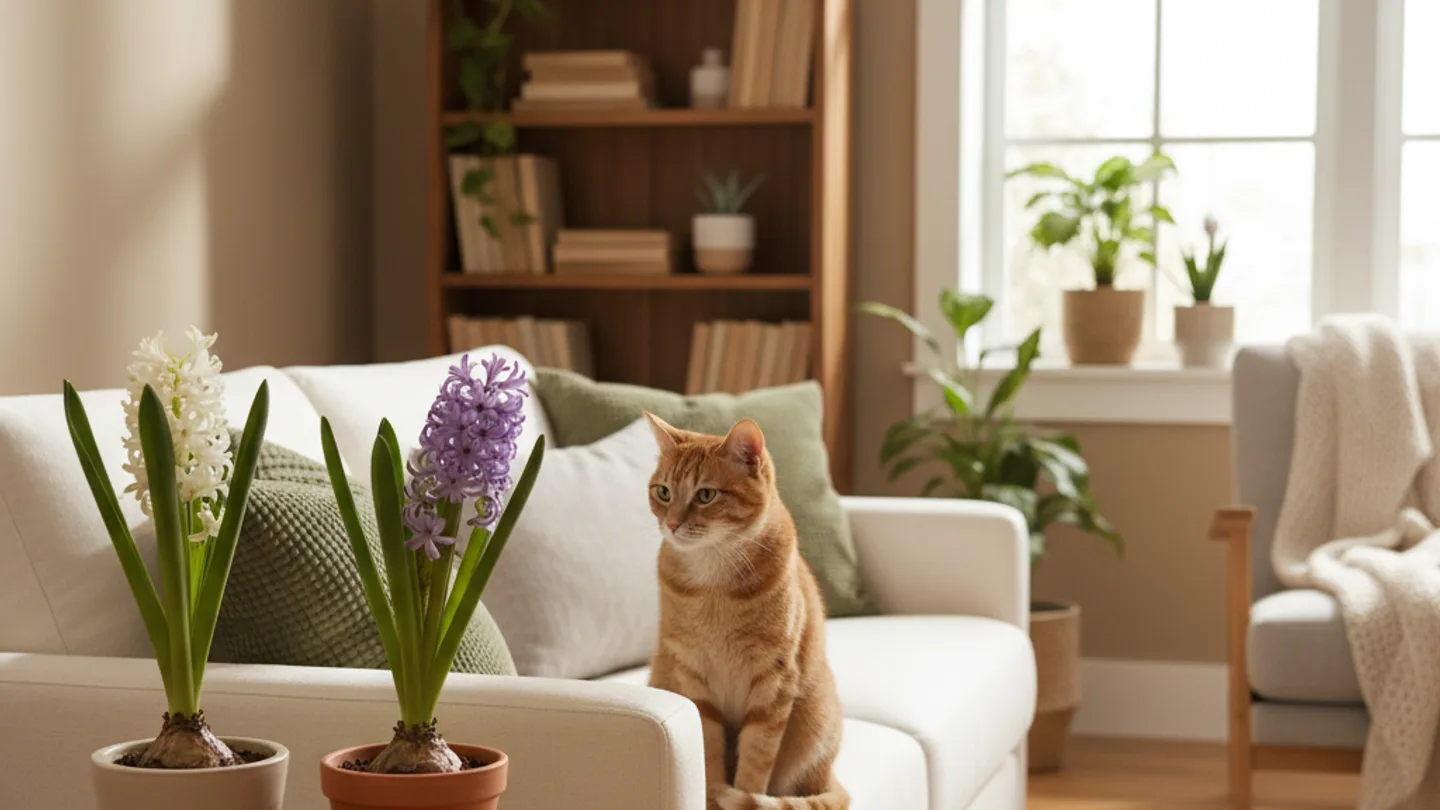
That matters most in winter, when hyacinth bulbs are sold everywhere for indoor forcing. A pretty pot on your windowsill can look like a snack or a toy to a curious pet.
Below you will find what happens if your pet eats a hyacinth, why handling the bulbs can irritate skin, and which fragrant plants give you the same spring feeling without the risk.
The short answer
- Hyacinths are toxic to cats and dogs. All parts are harmful, and the bulb is the most dangerous.
- Eating hyacinth usually causes vomiting, diarrhea and drooling. Eating a bulb can cause more severe stomach upset.
- Handling hyacinth bulbs can irritate skin, in people and in pets, so wear gloves when planting.
- Forced indoor bulbs in winter are the biggest risk moment, because they sit within easy reach.
- Safe fragrant swaps exist, such as African violets and certain herbs, that fit a similar look and light level.
- Call your vet or a pet poison hotline if your pet eats any part of a hyacinth and shows symptoms.
Why hyacinths are harmful to pets
Hyacinths contain alkaloids, which are natural plant chemicals that can upset the stomach and intestines. They also contain calcium oxalate crystals. Those are tiny sharp crystals that can irritate your pet's mouth and throat on contact.
The highest concentration sits in the bulb. The leaves and flowers contain less, but they are still not safe to chew.
This is why we never call a hyacinth harmless, even when a pet only nibbles a leaf. The plant is considered toxic to both cats and dogs, and the honest answer is to keep it out of reach or out of the house.
The winter bulb problem
Hyacinths are classic forced bulbs. In late fall and winter, stores sell them pre-chilled and ready to bloom indoors within a few weeks. They end up on tables, windowsills and kitchen counters, exactly where cats walk and dogs sniff.
Cats often bat at the papery bulb skin or dig in the pot. Dogs, especially puppies, may grab a loose bulb like a ball. A stored bag of bulbs in a hallway or on a low shelf is just as tempting.
If you force bulbs indoors, keep them in a room your pet cannot enter, or on a surface your cat genuinely cannot reach. Remember that most cats can reach more than we expect.
Symptoms to watch for
Most hyacinth exposures cause stomach and intestinal upset. Typical signs are vomiting, diarrhea, drooling and loss of appetite. You may also see your pet pawing at its mouth, because the crystals irritate on contact.
When a pet eats a larger amount, especially part of a bulb, the vomiting and diarrhea can be stronger. That brings a risk of dehydration, which is harder on small cats and small dogs.
Contact your vet if your pet has eaten hyacinth and shows any of these symptoms. Bring a photo of the plant or the packaging if you can. It helps the vet confirm what your pet ate. In the US you can also call a pet poison helpline for guidance while you arrange care.
Skin irritation from handling bulbs
Hyacinth bulbs are known for causing skin irritation in people, often called hyacinth itch. The same irritating juices can bother a pet that carries a bulb in its mouth or lies on freshly planted soil.
Wear gloves when you plant or handle hyacinth bulbs, and wash your hands afterwards. Keep pets away from the planting area until the pots are watered and the surface is clean.
If your pet chewed a bulb, rinse its mouth gently with water if it will let you, and call your vet for next steps.
Safe fragrant swaps for the same look
You do not have to give up scent and color to keep your pet safe. These plants are generally considered non-toxic to cats and dogs, though any plant can cause mild stomach upset if eaten in quantity.
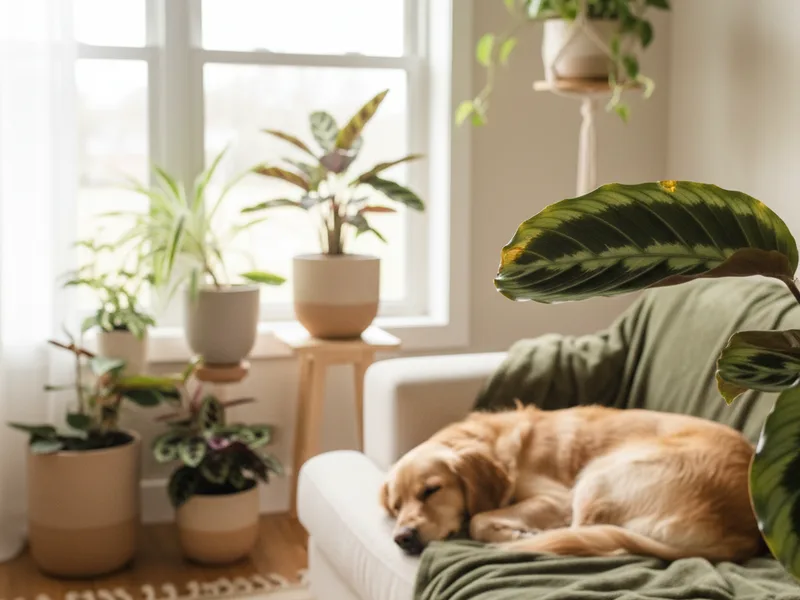
African violets give you compact blooms in purple, pink and white, similar in scale to a forced hyacinth pot. They like bright, indirect light and fit on a windowsill.
Herbs such as basil, thyme and rosemary bring real fragrance to a kitchen window. They want more direct sun, so match them to your brightest spot.
Orchids are another pet-safe choice with a long bloom time and an elegant look. They suit bright, indirect light and reward patient beginners.
Non-toxic still does not mean edible. If your pet eats a large amount of any plant and seems unwell, call your vet.
Common questions about hyacinths and pets
Are hyacinths toxic to cats?
Yes. Hyacinths are toxic to cats. The bulb is the most concentrated part, but leaves and flowers are harmful too. Expect drooling, vomiting or diarrhea if your cat chews them, and call your vet if symptoms appear.
Are hyacinths toxic to dogs?
Yes. Hyacinths are toxic to dogs as well. Dogs are more likely to grab a whole bulb, which raises the chance of stronger stomach upset. Contact your vet if your dog eats any part of the plant.
Is hyacinth water from a forcing vase dangerous?
Treat it as risky. The bulb sits in that water, and compounds can leach into it. Keep forcing vases where pets cannot drink from them, and refresh the water out of reach.
What should I do if my pet ate a hyacinth bulb?
Remove any plant material from the mouth, rinse gently with water if your pet allows it, and call your vet or a pet poison hotline. Note roughly how much was eaten and when. Do not wait for severe symptoms before calling.
Can I keep hyacinths in a house with pets at all?
Only if you can truly keep them out of reach, for example in a closed room. Because cats climb and dogs find dropped bulbs, most pet owners are better off choosing a safe alternative with a similar look.
Are grape hyacinths the same as hyacinths?
Grape hyacinths, or muscari, are a different plant, but they are also best kept away from pets. The safest approach with any spring bulb is to assume it is not pet-safe unless a trusted source confirms otherwise.