Is Mint Safe for Cats and Dogs?
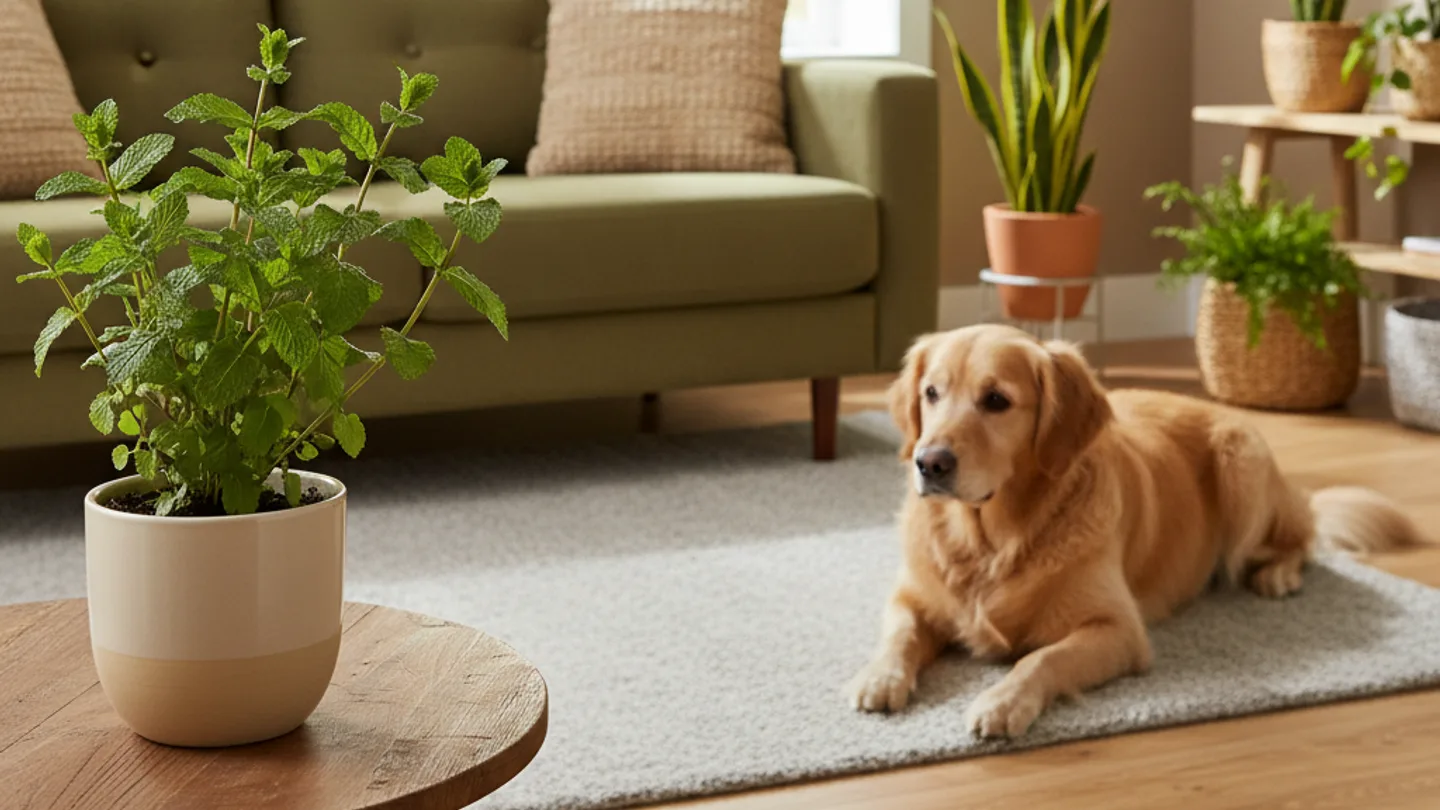
Garden mint is mostly fine for cats and dogs in tiny nibbles. A leaf or two off your windowsill pot is unlikely to cause harm. Larger amounts can upset your pet's stomach, and one type of mint, English pennyroyal, is genuinely dangerous for dogs.
Mint also hides in places you might not expect, like essential oils and human foods. Here is what is safe, what is not, and how to set up an herb garden your pet can sniff without worry.
The short answer
- Common garden mint (spearmint, peppermint) is not considered toxic to cats or dogs in small amounts.
- Eating a lot of mint can cause vomiting, diarrhea, or an upset stomach in both species.
- English pennyroyal is a different story. It can cause serious liver damage in dogs and should never be grown where pets can reach it.
- Mint essential oil is a real risk for cats. Their bodies cannot process concentrated plant oils well.
- Stick to a few fresh leaves as an occasional nibble, not a snack, and call your vet if symptoms appear.
Which mint is which, and why it matters
The word mint covers a whole family of plants, and they are not all equal when it comes to pet safety. Most of what you buy as a small herb pot or grow in the garden is spearmint or peppermint. These are the common garden mints.
Spearmint and peppermint are generally considered non-toxic to cats and dogs. That does not mean harmless. The essential oils inside the leaves can irritate the stomach when a pet eats more than a nibble.
English pennyroyal, sometimes sold simply as pennyroyal, is a different plant with a much darker profile. It contains pulegone, a compound that can damage the liver, especially in dogs. If you see pennyroyal at a garden center, skip it.
Not sure which mint you have? Common spearmint and peppermint are the safe bets. If the label says pennyroyal or Mentha pulegium, treat it as a plant to keep far away from pets.
| Plant | Cats | Dogs | What to know |
|---|---|---|---|
| Spearmint | Generally considered non-toxic | Generally considered non-toxic | A nibble is fine. Large amounts may cause vomiting or diarrhea. |
| Peppermint | Generally considered non-toxic | Generally considered non-toxic | Stronger oils than spearmint, so stomach upset is a bit more likely if eaten in quantity. |
| English pennyroyal | Avoid | Dangerous | Contains pulegone, which can cause liver damage, especially in dogs. Do not grow it near pets. |
| Catnip (a mint relative) | Safe and often enjoyed | Generally considered non-toxic | Cats love it. Too much can still cause mild stomach upset. |
| Mint essential oil | Risky | Risky | Concentrated oils are far stronger than leaves. Cats are especially sensitive. |
What happens if your pet eats too much mint
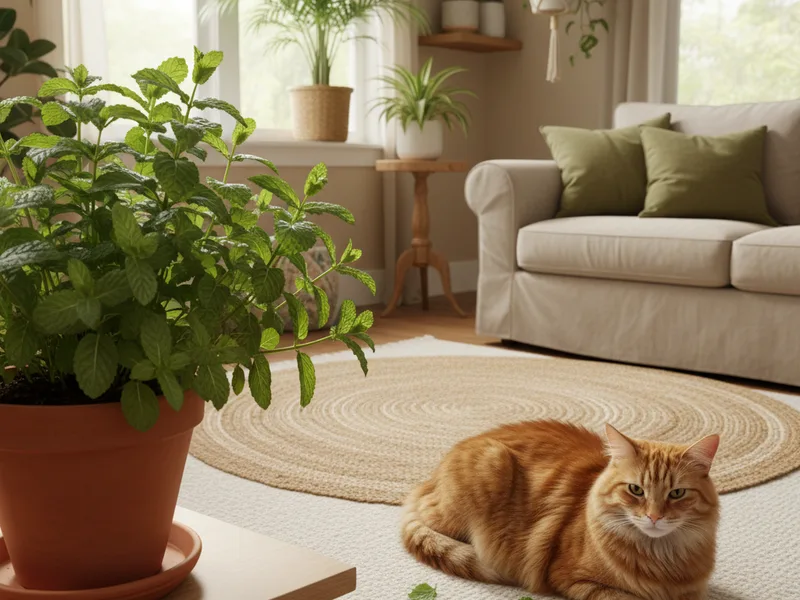
Most mint incidents end with a mild stomachache. The menthol and other oils in the leaves irritate the digestive tract when eaten in quantity.
Watch for vomiting, diarrhea, drooling, or a pet that seems off its food. These signs usually pass within a day, but call your vet if symptoms are strong, last more than a few hours, or if you are not sure what your pet ate.
Pennyroyal exposure is more serious. Signs can include vomiting, diarrhea, lethargy, and in severe cases liver failure. Treat any suspected pennyroyal ingestion as a reason to call your vet or a pet poison hotline right away.
Mint essential oil and cats: the bigger risk
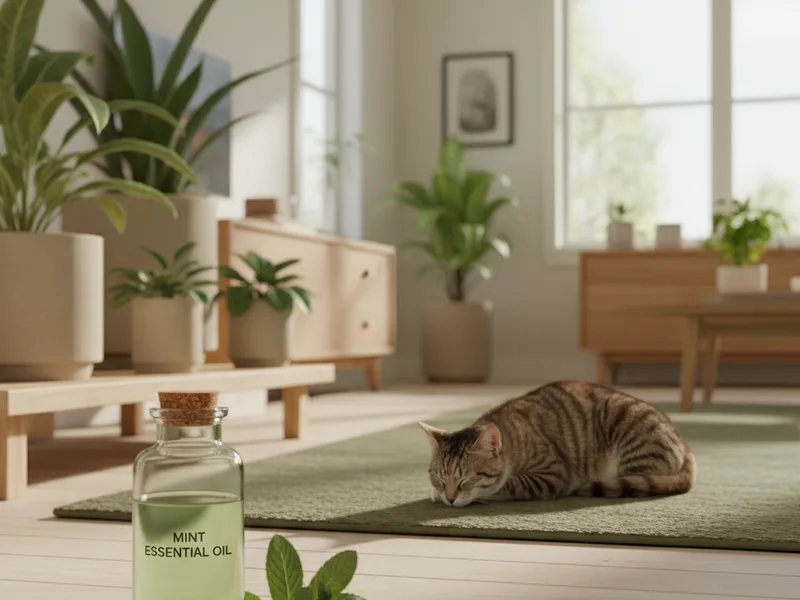
Fresh mint leaves are a low-level concern. Concentrated mint essential oil is not.
Cats lack certain liver enzymes that break down compounds in essential oils. That means oils like peppermint oil can build up in a cat's system, whether the cat licks the oil, walks through a spill, or breathes heavy vapor from a diffuser in a closed room.
Signs of essential oil trouble in cats include drooling, wobbliness, tremors, low energy, and difficulty breathing. If you use a diffuser, keep it in a room your cat cannot enter, and never apply essential oils to your pet's fur or skin.
The same caution applies to dogs, though cats are the more sensitive species by far.
Setting up a pet-safe herb garden
Mint grows fast and happily in pots, which makes it easy to place out of reach. A sunny windowsill or a high shelf keeps the plant safe from grazing pets and keeps your pet safe from overdoing it.
If your cat or dog likes to chew greenery, offer a dedicated pet plant instead. Many cats will happily switch from your herbs to a pot of cat grass or catnip-style plants grown for them. It redirects the habit without a fight.
Good companions for a pet-friendly herb pot include basil, rosemary, and thyme, all generally considered non-toxic in the small amounts a pet might steal. Skip pennyroyal entirely, and be careful with lavender, which is mildly toxic to both cats and dogs.
Finally, watch what lands in the kitchen. Mint-flavored human foods, like gum, candy, and toothpaste, can contain xylitol, a sweetener that is highly dangerous to dogs. The mint leaf is rarely the problem. The mint product sometimes is.
Common questions about mint and pets
Is mint safe for cats to smell?
Yes. Sniffing a fresh mint plant is fine for cats. The risk comes from eating large amounts of leaves or from concentrated mint essential oil, not from the scent of a potted plant in the same room.
My dog ate a handful of mint leaves. Should I worry?
A handful of common garden mint will most likely cause mild stomach upset, like vomiting or diarrhea, and pass on its own. Watch your dog for the rest of the day. Call your vet if symptoms are strong, if your dog seems lethargic, or if there is any chance the plant was pennyroyal.
Can cats eat mint leaves from the grocery store?
A leaf or two of spearmint is generally considered non-toxic for cats, but most cats are not interested. Many cats actually dislike the smell of mint, catnip being the famous exception in the family. There is no benefit to feeding mint on purpose.
Is catnip the same thing as mint?
Catnip is a relative in the mint family, but it is its own plant. It is safe for cats, famously fun for many of them, and a much better choice if you want a plant your cat can interact with freely.
Is peppermint tea dangerous if my pet laps some up?
A small lap of cooled, plain peppermint tea is unlikely to cause serious harm, but it is not something to offer. The oils are more concentrated in brewed tea than in a single leaf. Skip sweetened tea entirely, since xylitol is highly dangerous to dogs.
What is a good pet-safe alternative to a mint plant?
For a similar fresh look and easy care, try basil or cat grass. Both are generally considered non-toxic and grow well in the same sunny spot mint loves. If you want a trailing look instead, a spider plant is a classic safe choice.