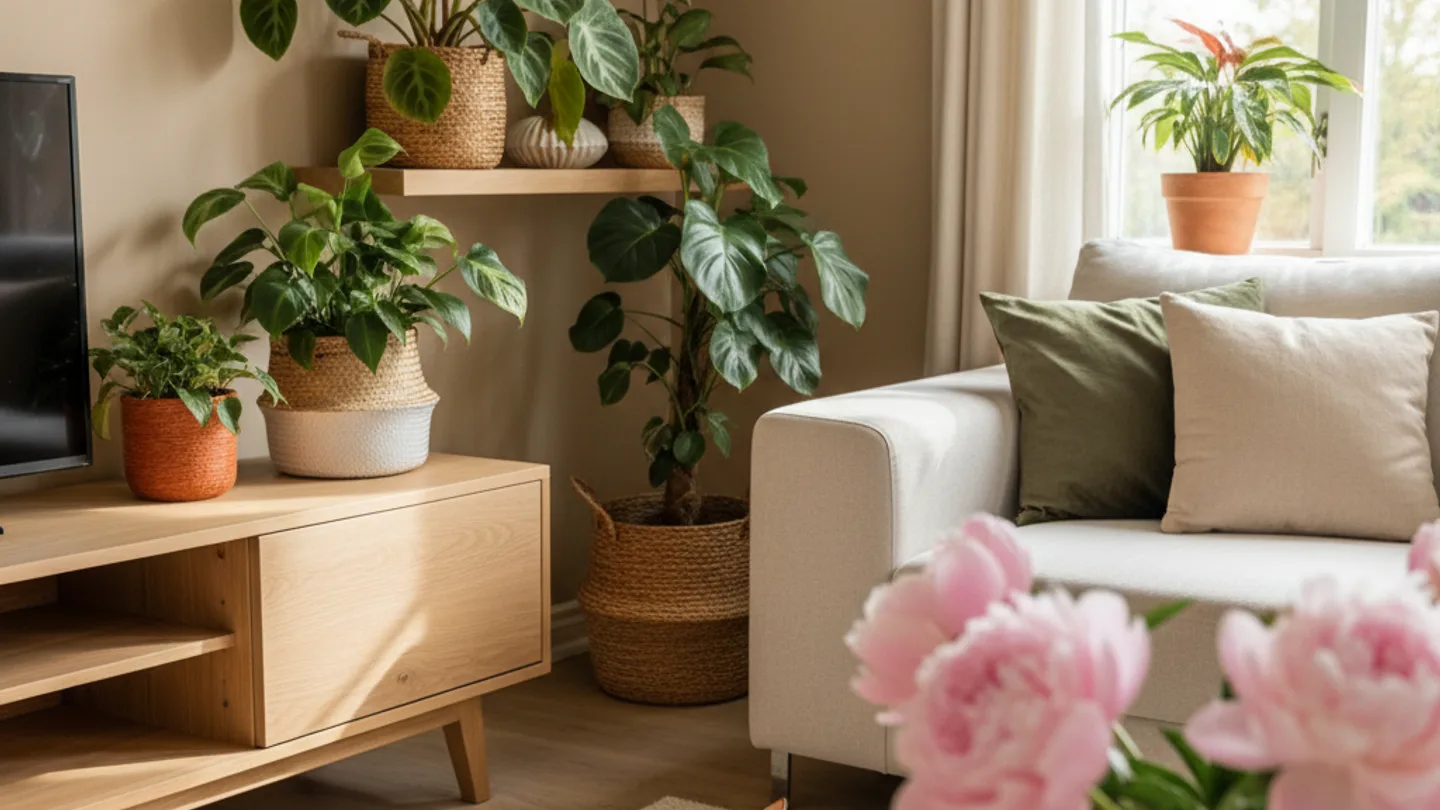
Are Peonies Toxic to Cats and Dogs?
Yes, peonies are mildly toxic to cats and dogs. The plant contains paeonol, a natural compound that can irritate the gut and trigger vomiting and diarrhea.
The risk is usually low. A nibbled petal tends to cause mild stomach upset at most, and many pets show no signs at all. Root bark and older woody stems hold the most paeonol, so a chewed root is a different story from a fallen petal.
Below: where pets actually meet peonies, which symptoms to expect, when to call the vet and which plush flowers make safer swaps.
What this guide covers
The short answer on peonies and pets
- Peonies are mildly toxic to cats and dogs.
- Paeonol, found mainly in root bark and older woody stems, can cause vomiting and diarrhea.
- A nibbled petal or leaf usually means mild, short-lived stomach upset, if anything at all.
- Garden beds and wedding bouquets are the two places pets most often meet peonies.
- Call your vet if vomiting or diarrhea lasts more than a day, gets worse, or your pet seems weak.
- Roses and other plush blooms are generally considered non-toxic and give a similar look.
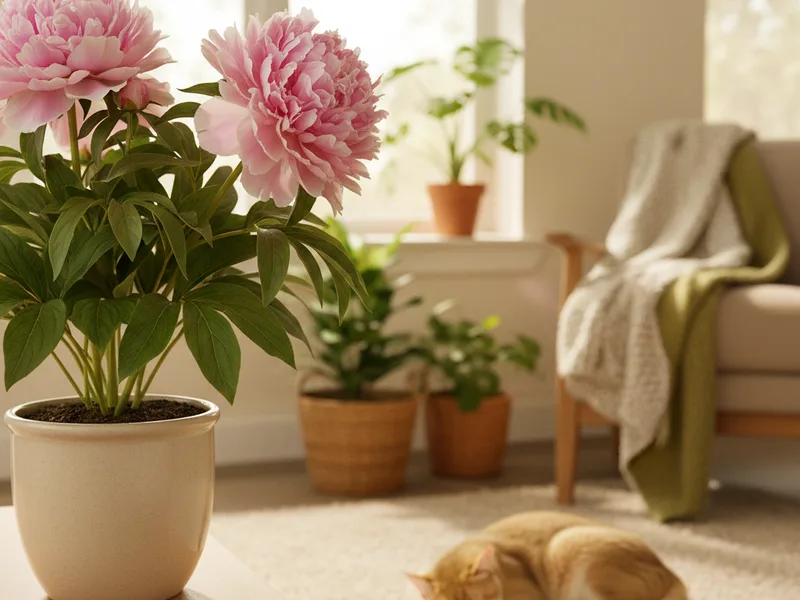
Why peonies are mildly toxic
Peonies contain paeonol, a compound the plant makes naturally. In plain words, paeonol irritates the lining of the stomach and gut. That irritation is what shows up later as vomiting or diarrhea.
Paeonol is not spread evenly through the plant. The root bark and older, woody stems hold the most. Leaves and flowers carry less. So the dose depends on two things: which part was eaten and how much of it.
That is why the verdict sits at mildly toxic. Peonies upset the gut rather than attacking organs, and small nibbles often pass with no signs at all. Mild does not mean ignore it though: a large helping of root or stem deserves a call to your vet.
Two places pets meet peonies
Peonies in garden beds
Peonies are long-lived perennials that come back each spring. The flowers get the attention, but the woody base and roots carry the most paeonol.
Dogs that dig are the main risk group here. A dog that pulls up or chews a root takes in far more paeonol than one that mouths a petal. Raised beds or a low fence around the planting keeps most pets out of trouble. Cats in garden beds usually sniff and move on, but the same rule applies: root and stem beat petals every time.
Weddings and gift bouquets
Peonies are a wedding favorite, and cut stems end up in homes through bridal bouquets and centerpieces. Low tables and fallen petals put them within easy reach of curious mouths.
A bite of flower or leaf from a bouquet usually means a small dose. Still, keep arrangements out of reach and pick up dropped petals quickly, especially with puppies, kittens and pets that chew everything.
First aid
What to do if your pet eats peony
Remove the plant
Move your pet away and pick up any chewed petals, leaves or stem pieces so no more gets eaten.
Check what was eaten
Note which part your pet ate and roughly how much. A single petal is a very different situation from a chewed root or piece of woody stem.
Offer water
Put out fresh water. Do not try to make your pet vomit unless a vet tells you to.
Call for advice
Call your vet or an animal poison control service. Tell them which plant part and roughly how much was eaten.
Watch and follow up
Most peony nibbles pass with mild vomiting or diarrhea, or no signs at all. If symptoms last more than a day, get worse, or your pet seems weak, see your vet.
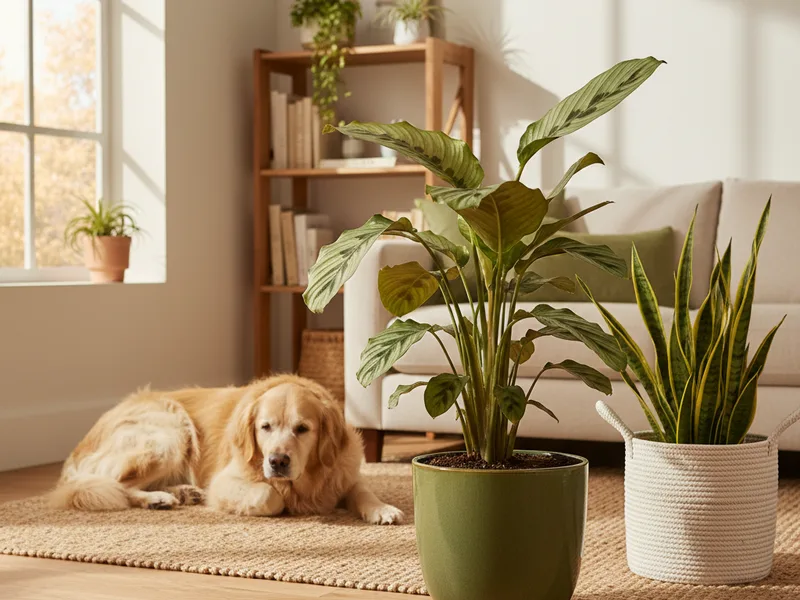
Symptoms and the usual course
The classic signs are vomiting and diarrhea. Some pets also lose interest in food for a day or look a bit sorry for themselves.
Most cases stay mild and clear on their own, often within a day. The expected course for a small nibble is simple: nothing happens, or a short spell of stomach upset that passes without treatment.
Call your vet if vomiting or diarrhea lasts more than a day, gets worse, or comes with weakness or unusual tiredness. Also call if a puppy, kitten or senior pet got into the roots or ate a large amount. When in doubt, call anyway: a quick chat with a vet beats a worried evening.
| Swap | Safe for cats and dogs? | How close to the peony look | Light it likes |
|---|---|---|---|
| Rose | Generally considered non-toxic; mind the thorns | Layered, full blooms and the closest match | Full sun |
| Camellia | Generally considered non-toxic | Rounded, plush flowers in pink, red and white | Partial shade |
| Zinnia | Generally considered non-toxic | Big heads in bold colors; less plush, more playful | Full sun |
| Snapdragon | Generally considered non-toxic | Tall spikes that fill a bouquet | Full sun to partial shade |
| Orchid | Generally considered non-toxic | Elegant indoor blooms for a windowsill | Bright, indirect light |
Peonies and pets: common questions
Are peonies toxic to dogs?
Yes. Peonies are mildly toxic to dogs. Paeonol in the plant, especially in the root bark and woody stems, can cause vomiting and diarrhea. A nibbled petal usually stays mild; a chewed root deserves a call to your vet.
Are peonies toxic to cats?
Yes, and the verdict is the same as for dogs: mildly toxic. A cat that mouths a fallen petal rarely gets more than brief stomach upset, but vomiting or diarrhea that lingers is a reason to call your vet.
Which part of the peony is the most toxic?
The root bark and older, woody stems hold the most paeonol. Flowers and leaves contain less. More plant, and woodier parts, means a higher chance of an upset stomach.
My dog ate a peony petal at a wedding. Should I worry?
Usually no. Remove any leftovers, offer fresh water and watch for vomiting or diarrhea over the next day. If symptoms show up, last more than a day, or your dog seems weak, call your vet.
Can I keep peonies if I have pets?
Many owners do. In the garden, a low fence or raised bed keeps dogs away from roots. Indoors, place bouquets where paws and jaws cannot reach. Or swap to a lookalike that is generally considered non-toxic.
What is the safest lush swap for peonies?
Roses come closest to the plush, layered look and are generally considered non-toxic for cats and dogs; the thorns are the bigger hazard. Camellias, zinnias, snapdragons and orchids are also generally considered non-toxic.