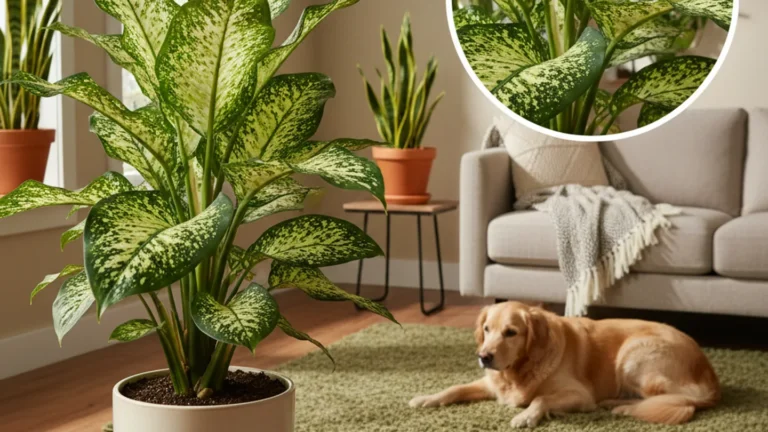

Is Peace Lily Toxic to Cats and Dogs?
Peace lilies are toxic to both cats and dogs. But here is the part that matters most: a peace lily is not a true lily. It will not cause the sudden kidney failure that true lilies cause in cats.
That does not make it harmless. Peace lilies contain calcium oxalate crystals, which can irritate your pet's mouth, tongue and throat if chewed. Here is what that actually means, what symptoms to watch for, and what to plant instead if you want the same white-bloom look.
The short answer
- Peace lilies are toxic to cats and dogs, according to the ASPCA's plant toxicity list.
- They are not true lilies, so they do not cause kidney failure in cats the way Easter lilies or daylilies can.
- The irritation comes from calcium oxalate crystals, tiny sharp crystals that can sting your pet's mouth and throat.
- Symptoms are usually mouth pain, drooling, pawing at the face and vomiting.
- Call your vet if your pet chews a peace lily, especially if you see swelling or trouble swallowing.
- Want the same look without the risk? A moth orchid or a Christmas cactus gives you elegant blooms and is generally considered non-toxic.
Why the peace lily name causes so much confusion
The word 'lily' scares every cat owner, and for good reason. True lilies, like Easter lilies, tiger lilies and daylilies, are among the most dangerous plants a cat can encounter. Even a small amount of pollen or a drink of vase water can lead to kidney failure.
Peace lilies (Spathiphyllum) are a different plant entirely. They are part of the arum family, related to philodendron and pothos, not the lily family. The name comes from the white, sail-shaped bloom that looks a bit like a calla lily.
So when you read 'lilies are deadly to cats', that warning does not apply to peace lilies in the same way. Your peace lily is still toxic, just in a very different, usually less severe way.

What calcium oxalate crystals do to your pet
Calcium oxalate crystals are tiny sharp crystals packed inside the plant's cells. When your cat or dog chews a leaf or stem, the cells break open and the crystals shoot into the soft tissue of the mouth, tongue and throat.
Think of it like biting into something full of microscopic needles. The result is immediate irritation and pain, not organ damage.
This is the same compound found in philodendron and pothos, which is why those plants cause similar symptoms. You can read more in our guides on philodendron toxicity and pothos toxicity.

Symptoms to watch for
Because the crystals cause instant pain, most pets stop chewing after one bite. That is actually good news: serious poisoning from peace lilies is uncommon because the plant defends itself so quickly.
Typical symptoms include pawing at the mouth or face, drooling more than usual, and shaking the head. You may also see vomiting, a swollen or red mouth, and reluctance to eat.
In rare cases, swelling can affect the upper airway, making swallowing or breathing harder. That is when you treat it as urgent.
Symptoms usually show up within minutes to a couple of hours of chewing, and mild cases often settle within a day.
What to do if your pet eats a peace lily
Remove the plant material
Gently take any remaining leaf or stem out of your pet's mouth and move the plant out of reach.
Rinse the mouth
Offer fresh water or gently wipe the inside of the mouth with a damp cloth to clear leftover crystals. Do not force large amounts of water.
Watch for symptoms
Look for drooling, pawing at the face, vomiting, swelling or trouble swallowing over the next few hours.
Call your vet
Contact your vet or a pet poison helpline if symptoms appear, especially with swelling, repeated vomiting or breathing changes. Bring a photo of the plant so they know exactly what was eaten.
| Question | Peace lily (Spathiphyllum) | True lily (Lilium, Hemerocallis) |
|---|---|---|
| Toxic to cats? | Yes, but usually mild to moderate | Yes, can be fatal |
| Toxic to dogs? | Yes, but usually mild to moderate | True lilies mainly endanger cats |
| Main risk | Mouth and throat irritation from calcium oxalate crystals | Acute kidney failure in cats |
| How much is dangerous? | A chewed leaf or two typically causes pain and drooling | Even pollen, petals or vase water can poison a cat |
| Typical outcome | Symptoms often ease within a day with vet guidance | Requires emergency vet treatment |
A safe swap with the same elegant look
Love the peace lily's glossy leaves and white blooms but not the risk? A moth orchid (Phalaenopsis) is generally considered non-toxic to cats and dogs and gives you the same graceful, sculptural flowers. It also thrives in the same bright, indirect light peace lilies prefer.
Another option is the Christmas cactus, which is generally considered non-toxic and blooms generously in lower light. It suits shelves and hanging spots, handy if your cat treats floor plants as a salad bar.
If you are rethinking other plants too, our guides on monstera and cyclamen follow the same verdict-first format.
Peace lily questions pet owners ask
Is a peace lily deadly to cats?
Peace lilies are toxic to cats but are not usually deadly. Unlike true lilies, they do not cause kidney failure. The main risk is painful mouth and throat irritation from calcium oxalate crystals. Call your vet if your cat chews one, especially if you see swelling or trouble swallowing.
My dog ate a peace lily leaf. What now?
Remove any plant pieces from your dog's mouth, offer fresh water and watch for drooling, pawing at the face, vomiting or swelling. Mild cases often settle within a day. Contact your vet if symptoms appear or your dog seems to struggle with swallowing or breathing.
Is peace lily pollen dangerous like true lily pollen?
No. The danger of true lily pollen is kidney failure in cats, which does not apply to peace lilies. Peace lily pollen can still cause irritation if it gets in the mouth or on paws that are later licked, so it is worth wiping up fallen pollen.
Are peace lilies safe to keep if I place them high up?
A high shelf or hanging spot reduces the risk a lot, especially for dogs. Determined cats can still reach surprising places, so weigh your cat's climbing habits honestly. If you want zero worry, choose a pet-safe bloomer like a moth orchid instead.
What white-flowering houseplants are safe for pets?
Moth orchids and Christmas cacti are generally considered non-toxic to cats and dogs and offer elegant blooms. Remember that even non-toxic plants can cause an upset stomach if eaten in quantity, and contact your vet if symptoms appear.