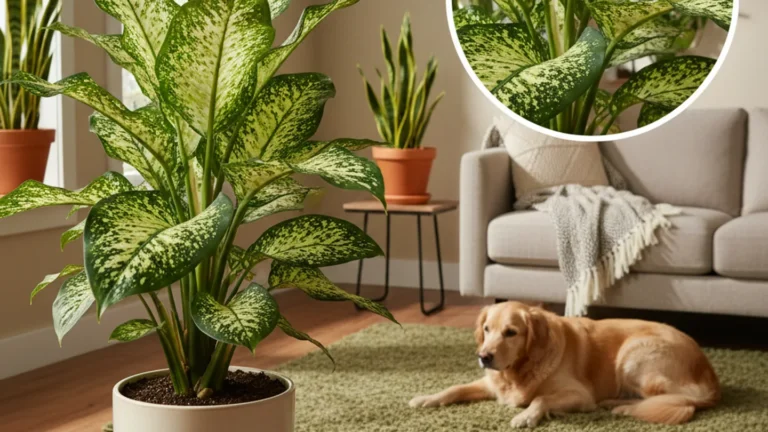

Is Fiddle Leaf Fig Toxic to Cats and Dogs?
Yes, fiddle leaf fig is toxic to both cats and dogs. The plant contains calcium oxalate, tiny sharp crystals found in its sap and leaves. If your pet chews or swallows part of the plant, these crystals can irritate the mouth, tongue and throat.
The good news: fiddle leaf fig poisoning is rarely life threatening. Most pets experience mouth pain and drooling, then recover quickly. Still, it is smart to know the symptoms and have a plan before something happens.
Below you will find what happens if your cat or dog eats a fiddle leaf fig, when to call the vet, and a pet-safe big-leaf plant that gives you the same statement look.
The short answer
- Fiddle leaf fig (Ficus lyrata) is toxic to cats and dogs.
- The sap and leaves contain calcium oxalate crystals that irritate the mouth, skin and stomach.
- Common symptoms: drooling, pawing at the mouth, vomiting and skin irritation where sap touched.
- Most cases are mild, but contact your vet if symptoms appear or your pet swallows a large amount.
- A parlor palm is a pet-safe statement plant with a similar lush, green look.
Why fiddle leaf fig is toxic to pets
Fiddle leaf fig contains calcium oxalate crystals. Calcium oxalate crystals are tiny sharp crystals that can irritate your pet's mouth and throat. They sit inside the plant's cells and release when a leaf is chewed or broken.
The milky white sap is also irritating. If your cat rubs against a broken stem or your dog brushes past a damaged leaf, the sap can cause redness and itching on the skin. If it gets near the eyes, it can be more painful.
This is the same type of irritation you see with monstera and philodendron. All three are popular statement plants, and all three contain calcium oxalate.

Symptoms to watch for
Symptoms usually start within minutes of chewing, because the crystals irritate on contact. Watch for:
Drooling or foaming at the mouth. Pawing at the face or mouth. Redness or swelling of the lips, tongue or gums. Vomiting, especially in dogs. Loss of appetite or refusing food because the mouth hurts.
Skin contact with the sap can cause a red, itchy patch. If your pet licks sap off its fur, mouth irritation can follow.
Most pets take one bite, dislike the burning feeling, and stop. That natural reaction keeps most cases mild. Trouble is more likely when a pet swallows a large amount, or when swelling in the mouth and throat makes breathing or swallowing hard. That is rare, but it is a reason to call your vet right away.
What to do if your pet chews a fiddle leaf fig
Remove the plant material
Gently take any leaf pieces out of your pet's mouth and move your pet away from the plant. Wipe sap off fur or skin with a damp cloth.
Rinse the mouth
Offer fresh water or gently rinse the mouth with a wet cloth. A small amount of milk or a few ice cubes can soothe the irritation. Do not force anything.
Watch your pet
Check for drooling, swelling, vomiting or trouble swallowing over the next few hours. Most mild cases settle on their own.
Call your vet when in doubt
Contact your vet if symptoms are strong, if your pet swallowed a large amount, or if breathing seems affected. You can also call the ASPCA Animal Poison Control Center. Have the plant name ready: fiddle leaf fig or Ficus lyrata.
A pet-safe swap with the same statement look
You fell for the fiddle leaf fig because of its bold, sculptural presence. You do not have to give that up. The parlor palm (Chamaedorea elegans) is generally considered non-toxic to cats and dogs, and it brings the same lush, green, room-filling energy.
A parlor palm stays smaller than a mature fiddle leaf fig, but grouped in a tall planter it reads as a real statement piece. It also handles lower light better, which makes it easier to keep alive in a real apartment.
If you want height and drama in a sunnier spot, a cat palm is another pet-safe option with full, arching fronds. Both give you the big-leaf look without the worry.
| Plant | Safe for cats and dogs | Light needs | Statement factor |
|---|---|---|---|
| Fiddle leaf fig | No, toxic to both | Bright, indirect light | Tall, sculptural, large leaves |
| Parlor palm | Generally considered non-toxic | Low to medium indirect light | Lush and full, works in groups |
| Cat palm | Generally considered non-toxic | Bright, indirect light | Tall, arching fronds |
Common questions about fiddle leaf fig and pets
Is fiddle leaf fig toxic to cats?
Yes. Fiddle leaf fig is toxic to cats. The leaves and sap contain calcium oxalate crystals that irritate the mouth and throat, causing drooling, pawing at the face and sometimes vomiting.
Is fiddle leaf fig toxic to dogs?
Yes, it is toxic to dogs too. Dogs that chew the leaves usually drool, vomit or refuse food because their mouth hurts. Most cases are mild, but call your vet if symptoms appear.
Can fiddle leaf fig sap irritate skin?
Yes. The milky sap can cause redness and itching where it touches skin or fur. Wipe it off with a damp cloth and stop your pet from licking the area.
How much fiddle leaf fig is dangerous?
There is no exact safe or dangerous amount. One bite usually causes temporary mouth irritation. Risk grows if your pet swallows a large amount or shows swelling that affects breathing or swallowing. Contact your vet when symptoms appear.
Can I keep a fiddle leaf fig with pets?
You can reduce risk by placing it out of reach, but determined cats climb and curious dogs chew. A pet-safe alternative like a parlor palm is the calmer choice.