Calathea Care Guide: Gorgeous, Dramatic and Pet-Safe
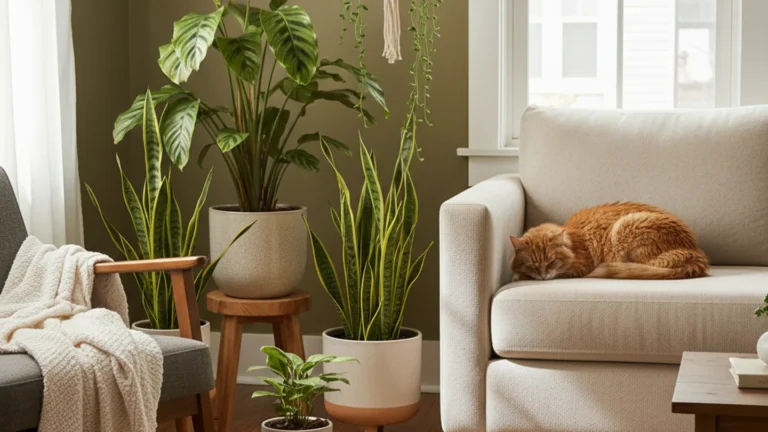
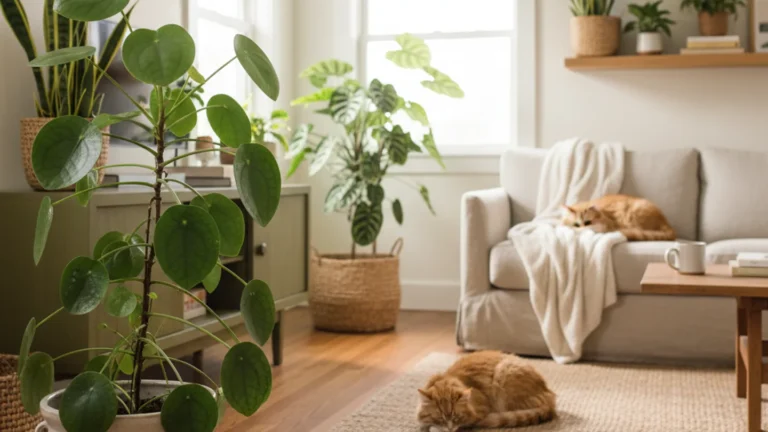
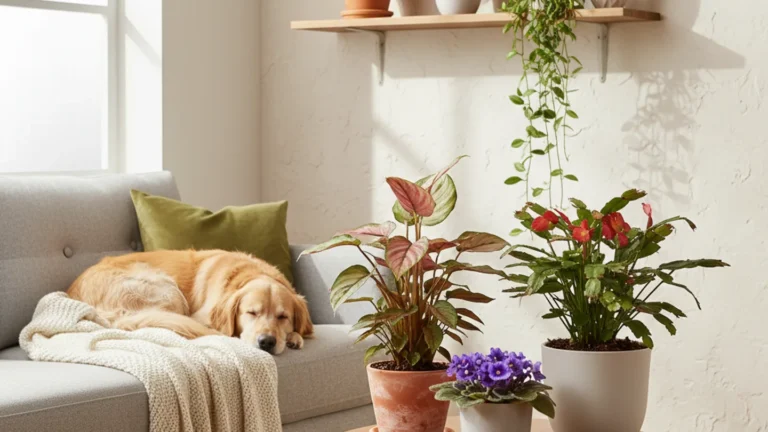
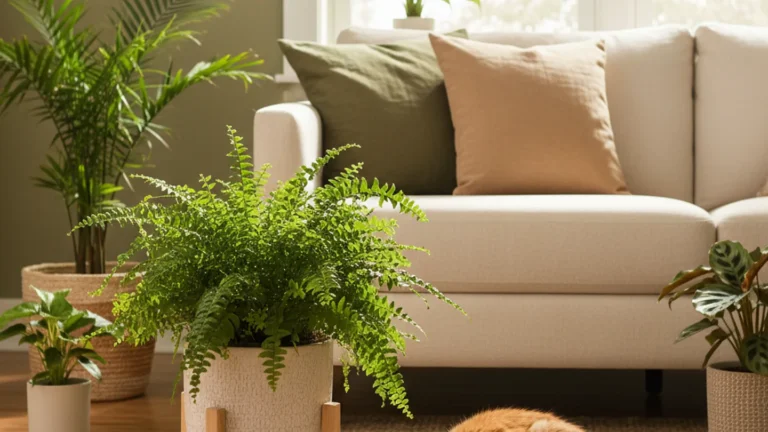
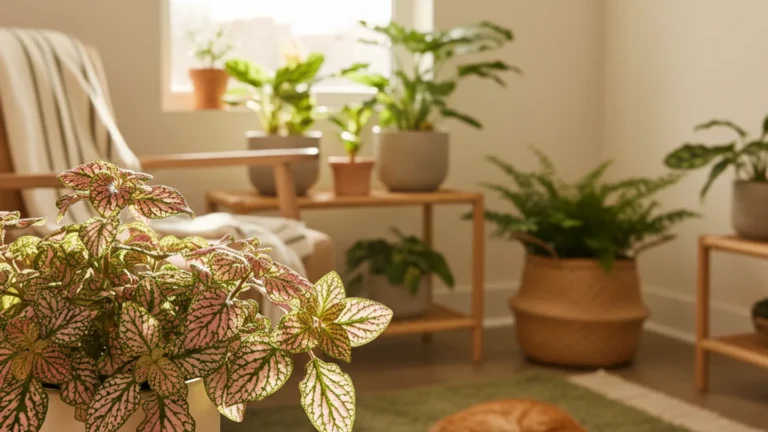
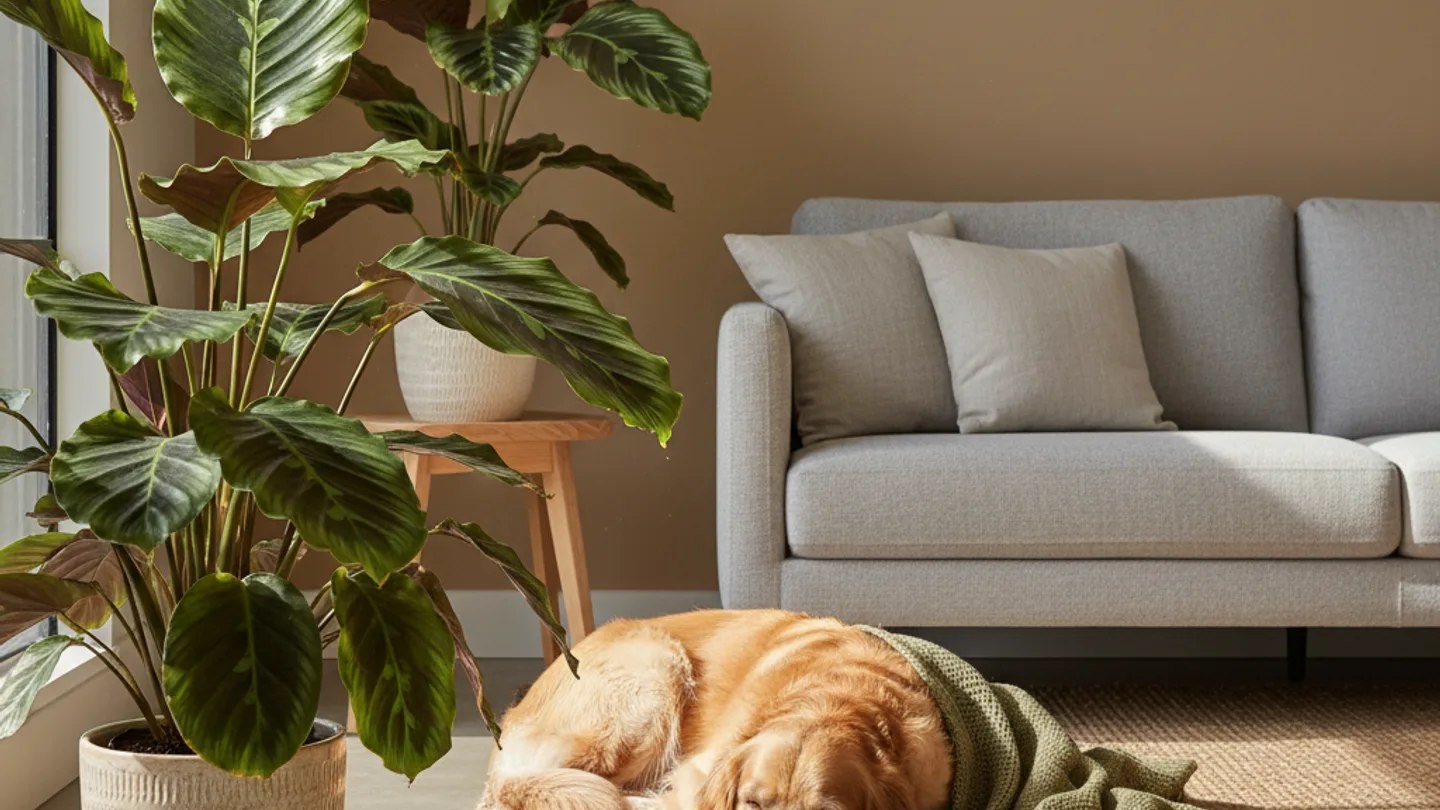
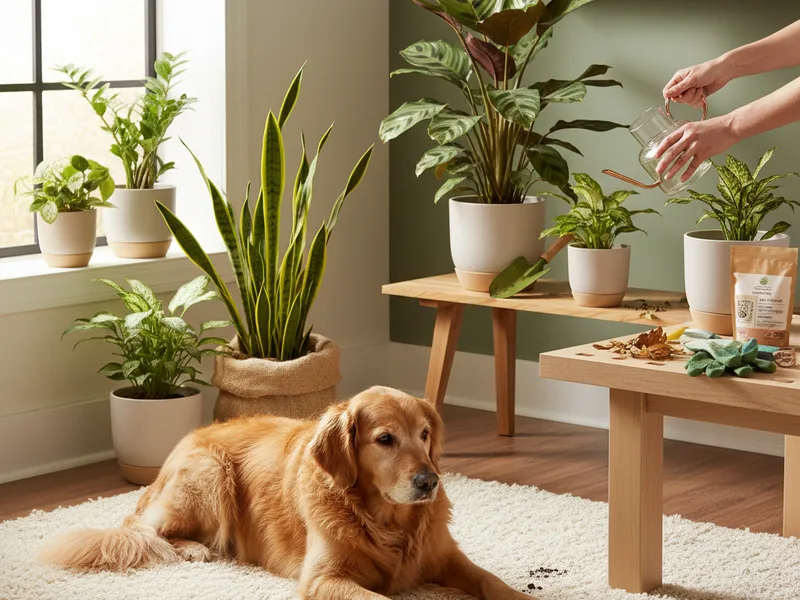
Calatheas are not toxic to cats or dogs. They are generally considered non-toxic to both, which makes them one of the best choices if you love bold, patterned leaves and share your home with a curious pet.
That is the short answer. The longer answer is that calatheas have a reputation for being dramatic about their care. Crispy edges, curling leaves, faded patterns. The good news: once you understand three things (water, light and humidity), calathea care becomes very manageable, even in a normal apartment.
This guide walks you through exactly what your calathea needs, why those crispy edges appear, and how to fix them.
The quick version
- Calatheas are generally considered non-toxic to cats and dogs, so they are a safe pick for pet households.
- They are the pet-safe answer to dramatic foliage plants like monstera, which is toxic to both cats and dogs.
- Use filtered, distilled or rainwater. Tap water minerals often cause brown, crispy edges.
- Medium, indirect light is ideal. Direct sun scorches, deep shade fades the pattern.
- Aim for higher humidity: group plants, use a humidifier, or pick a naturally humid room.
- Crispy edges are almost always a water or humidity issue, and they are fixable.
First things first: calathea is safe for cats and dogs
Here is the verdict, up front. Calatheas are generally considered non-toxic to both cats and dogs. If your cat chews a leaf or your dog takes a curious bite, the plant itself should not poison them.
That said, no plant is completely harmless in large amounts. Eating a lot of any foliage can cause a mild stomach upset, simply because pets are not built to digest leaves. If your pet eats a lot of your calathea or shows symptoms like vomiting or drooling that do not pass quickly, call your vet.
Why does this matter so much? Because many of the most dramatic, patterned houseplants are not safe. Monstera, for example, is toxic to both cats and dogs because of calcium oxalate crystals, tiny sharp crystals that can irritate your pet's mouth and throat. If you love that bold look, calathea gives you the drama without the risk. You can read more in our guide to is monstera toxic to cats and dogs.
Light: medium and indirect is the sweet spot
Calatheas grow on the forest floor in the wild, shaded by taller plants. Indoors, that translates to medium, indirect light.
A spot a few feet from an east or north-facing window works well. A bright room with sheer curtains also works. What you want to avoid is harsh direct sun, which scorches the leaves and bleaches the pattern.
Too little light is a problem too. In deep shade, the bold markings fade and growth slows to a crawl. If your calathea's pattern looks washed out, move it closer to the light, not further away.
For darker apartments, calathea varieties with deeper green leaves tend to cope better than the pale, high-contrast ones.
Water: filtered water is the single biggest upgrade
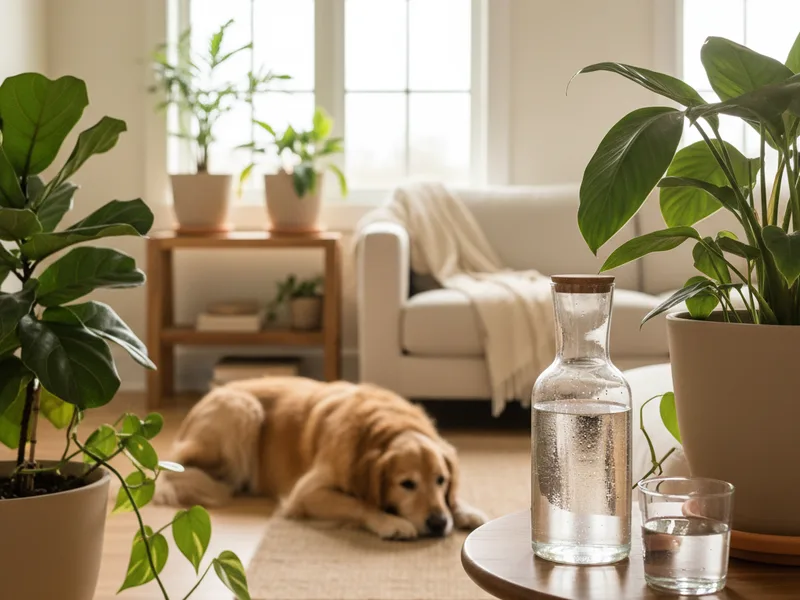
If you change one thing about your calathea care, make it the water. Calatheas are sensitive to the minerals and chemicals in tap water, especially fluoride and chlorine. Over time, these build up in the soil and show up as brown, crispy leaf edges.
The fix is simple. Use filtered water, distilled water, or collected rainwater. If tap water is your only option, let it sit out overnight before watering. That helps with chlorine, though not with minerals.
As for how much: keep the soil lightly moist, never soggy and never bone dry. Water when the top inch of soil feels dry to the touch. In most US homes, that works out to roughly once a week, but always check the soil rather than following a strict schedule.
How to fix crispy edges
Check your water
If you water with tap water, switch to filtered, distilled or rainwater. This is the most common cause of crispy edges and the easiest to fix.
Check your humidity
Dry air is the second most common cause. Aim for higher humidity around the plant using a humidifier, a pebble tray, or by grouping plants together.
Check the soil moisture
Stick a finger an inch into the soil. If it is bone dry, you are underwatering. If it is soggy, you are overwatering. Adjust your routine to keep it lightly moist.
Trim the damage
Crispy tissue will not turn green again. Trim brown edges with clean scissors, following the leaf shape, so the plant can focus energy on new growth.
Be patient with new leaves
Judge your progress by the new growth. If fresh leaves come in clean and soft, your fix is working.
Humidity: the reason calatheas have a dramatic reputation
Calatheas like humidity higher than the average living room provides, especially in winter when heating dries the air. Low humidity is behind most crispy edges and curled leaves.
You do not need a greenhouse. A few practical options work in real homes:
A small humidifier near your plants is the most reliable fix. Grouping plants together also helps, because plants release moisture as they breathe and create a more humid pocket of air. A pebble tray with water under the pot adds a little extra. And if you have a bright bathroom, calatheas often thrive there.
Misting is popular but overrated. It raises humidity for minutes, not hours, and wet leaves can invite fungal spots. A humidifier or plant grouping does more.
Soil, feeding and repotting
Use a light, well-draining potting mix. A standard houseplant mix with some added perlite or orchid bark works well. The goal is soil that holds some moisture but never stays waterlogged.
Feed with a diluted houseplant fertilizer about once a month in spring and summer. Skip feeding in fall and winter when growth slows. Too much fertilizer can also cause brown leaf tips, so when in doubt, use less.
Repot every year or two in spring, or when roots circle the bottom of the pot. Calatheas dislike being root-bound, but they also dislike oversized pots. Go up just one pot size.
Common calathea problems and what they mean
Curling leaves usually mean the plant is too dry, either from underwatering or low humidity. Check the soil first, then the air.
Yellow leaves often point to overwatering. Let the top of the soil dry out more between waterings and make sure the pot drains freely.
Fading patterns mean too little light. Move the plant closer to a window with indirect light.
Drooping leaves during the day that perk up at night are often normal. Calatheas move their leaves with the light, which is why they are sometimes called prayer plants. If the droop never lifts, check water and humidity.
Calathea questions pet owners ask
Are calatheas toxic to cats or dogs?
No. Calatheas are generally considered non-toxic to both cats and dogs. Eating a large amount of any plant can still cause a mild stomach upset, so call your vet if your pet eats a lot or shows symptoms.
Is calathea a good alternative to monstera?
Yes. Monstera is toxic to cats and dogs, while calathea is generally considered non-toxic. Calathea gives you bold, dramatic foliage with a similar statement-plant feel, at a smaller size.
Why does my calathea have crispy brown edges?
The two most common causes are tap water minerals and low humidity. Switch to filtered, distilled or rainwater, and raise humidity with a humidifier or by grouping plants together.
How often should I water my calathea?
Water when the top inch of soil feels dry, keeping the soil lightly moist but never soggy. In most homes that is about once a week, but always check the soil instead of following a fixed schedule.
Can a calathea survive in a low-light apartment?
It can survive, but it will not thrive. Medium, indirect light is ideal. In low light, growth slows and the leaf pattern fades. Darker green varieties cope better than pale ones.
Are all calathea varieties pet-safe?
Yes, the calathea family, including popular types like rattlesnake plant, peacock plant and calathea orbifolia, is generally considered non-toxic to cats and dogs.