Polka Dot Plant Care: Pet-Safe Color for Small Spaces
Polka dot plants are generally considered non-toxic to cats and dogs. That makes them one of the easiest ways to add real color to a home with pets.
Polka dot plant care is also beginner friendly. Give it bright indirect light, water when the top of the soil dries out, and pinch the tips now and then to keep it bushy.
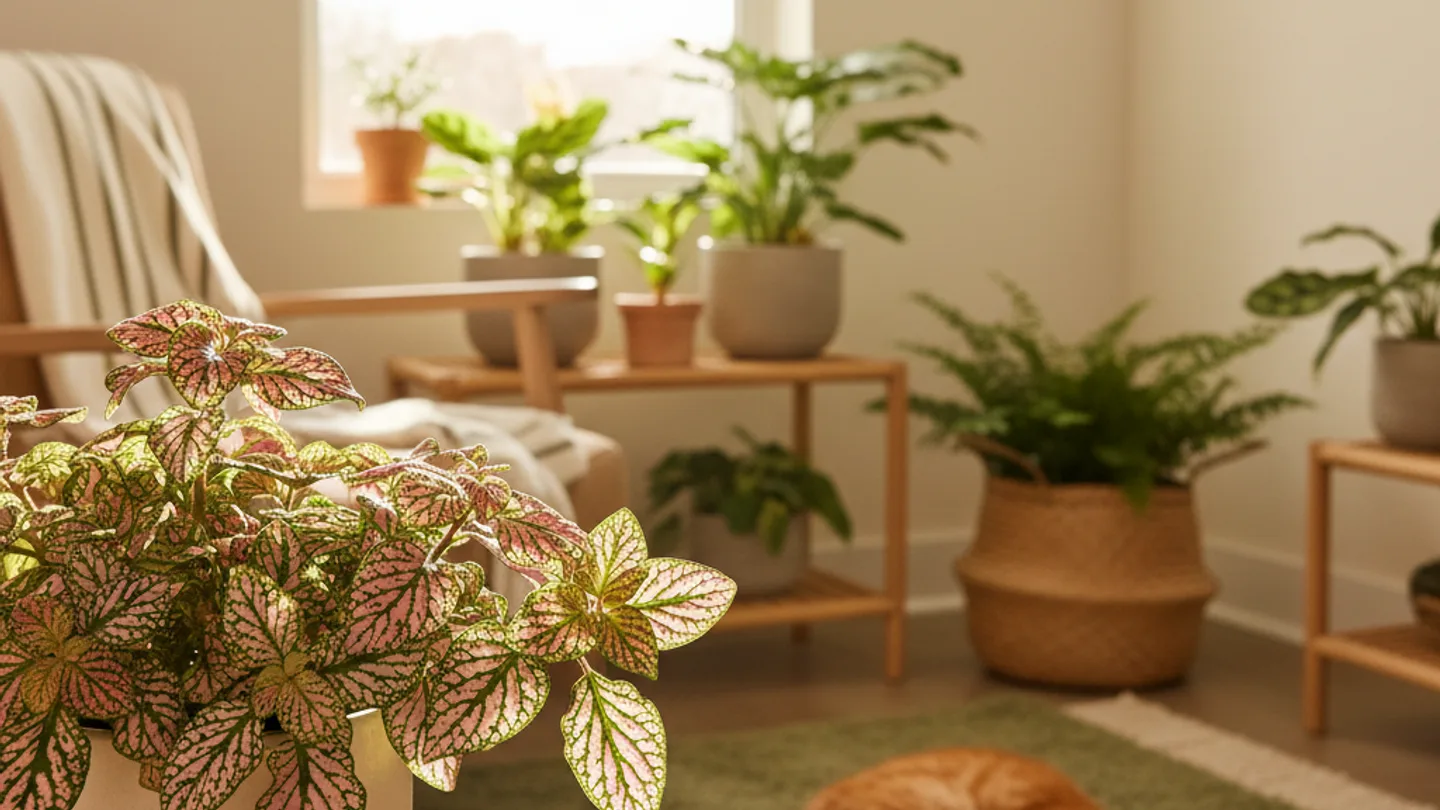
Its small size is a bonus. A polka dot plant fits on a desk, a shelf or a windowsill, which is exactly where many pet owners want a splash of pink, red or white.
The short version
- Polka dot plants are generally considered non-toxic to cats and dogs.
- Bright indirect light keeps the spots bold and colorful.
- Water when the top inch of soil feels dry; wilting plants usually perk up fast after a drink.
- Pinch the growing tips to keep the plant full and bushy instead of leggy.
- Compact size makes it ideal for desks, shelves and small apartments.
Is the polka dot plant safe for cats and dogs?
Yes. The polka dot plant (Hypoestes phyllostachya) is generally considered non-toxic to both cats and dogs. It does not contain the insoluble calcium oxalate crystals found in plants like monstera, which are tiny sharp crystals that can irritate your pet's mouth and throat.
That said, no plant is a snack. Eating a larger amount of any leaf can cause mild stomach upset in pets, simply because their digestion is not built for foliage. If your cat or dog eats a lot of the plant and then vomits, seems lethargic or stops eating, call your vet.
For most households, this plant is a low-worry choice. If you want to be extra careful, place it on a shelf or desk rather than the floor, which is easy to do given its compact size.
Light: the secret to strong spots
The pink, red or white speckles on a polka dot plant are what you are growing it for, and light decides how bold they look.
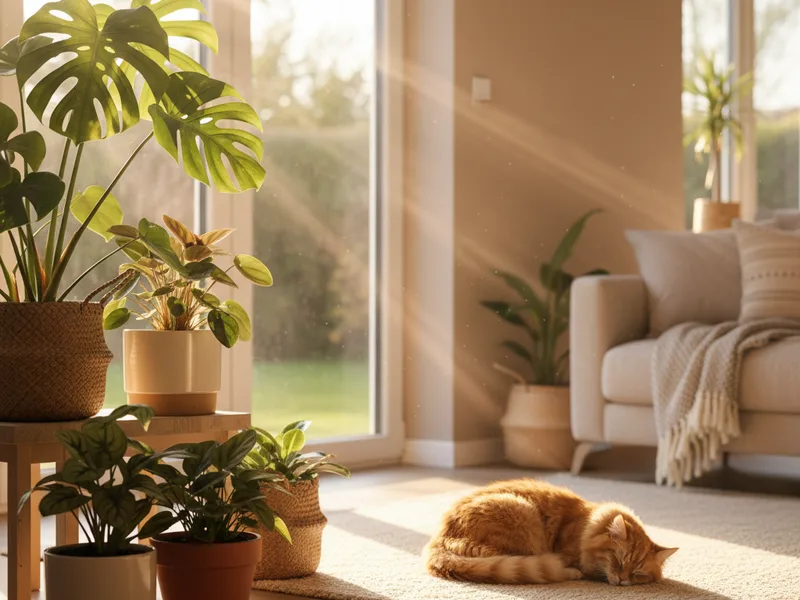
Bright indirect light is the sweet spot. An east-facing windowsill or a spot a few feet back from a south- or west-facing window works well in most US homes.
In low light, the plant survives but fades. The leaves turn mostly green and the plant stretches toward the window, getting leggy. If your apartment is dim, a small grow light on a desk or shelf solves this.
Direct harsh sun, especially hot afternoon sun through glass, can scorch the thin leaves. Filtered light is the goal.
Watering without guesswork
Polka dot plants like evenly moist soil, but not soggy soil. The simple rule: water when the top inch of the potting mix feels dry to your finger.
In most homes that means roughly once or twice a week in spring and summer, and less often in fall and winter when growth slows. Your own schedule depends on light, pot size and indoor heating.
This plant is dramatic about thirst. It will flop over when dry, then usually stand back up within hours of a good watering. Treat that as an early warning, not a routine: repeated deep wilting weakens the plant over time.
Always use a pot with a drainage hole, and empty the saucer after watering. Roots sitting in water rot fast.
Pruning
Pinching for a fuller plant
Wait for the plant to settle in
Give a new plant a week or two at home before you start shaping it, so it can adjust to your light and watering routine.
Find the growing tips
Look for the newest pair of leaves at the end of each stem. This is where the plant is actively growing.
Pinch off the tip
Use your fingernails or clean scissors to remove just the top pair of leaves on each stem, right above a leaf pair.
Repeat every few weeks
Each pinch encourages two new side shoots. Regular light pinching keeps the plant dense and compact instead of tall and sparse.
Trim off flower spikes
Small flower spikes signal the plant is winding down. Snip them off to redirect energy into the colorful leaves.
Soil, feeding and common problems
A standard all-purpose potting mix works fine, as long as it drains well. Mixing in a handful of perlite helps if your mix feels heavy.
Feed lightly during spring and summer, about once a month with a balanced houseplant fertilizer diluted to half strength. Skip feeding in fall and winter. Too much fertilizer actually reduces the leaf color you want.
Leggy growth usually means too little light or not enough pinching. Faded spots mean the same thing: move the plant brighter. Crispy brown edges point to dry air or missed waterings, common in heated apartments in winter. Grouping plants together or running a small humidifier nearby helps.
Polka dot plants are often grown as short-lived perennials indoors. After a year or two they can lose their shape even with good care. The good news: stem cuttings root easily in water, so you can restart a fresh, compact plant for free.
Why it suits desks and shelves
A healthy polka dot plant stays small, usually under a foot tall indoors. It fits in a 4-inch pot, which slides easily onto a bookshelf, a home office desk or a kitchen windowsill.
That size also helps with pet safety. A plant on a shelf is simply out of reach for most dogs and less interesting to many cats than a floor plant with dangling leaves.
For pet owners who want color without worry, it pairs well with other generally considered non-toxic plants. And if you are still comparing plants you found online, our guides to cyclamen and lavender give the same verdict-first treatment.
Common questions about polka dot plant care
Is the polka dot plant toxic to cats or dogs?
No. It is generally considered non-toxic to both cats and dogs. Large amounts of any plant can still cause mild stomach upset, so contact your vet if your pet eats a lot and shows symptoms like vomiting or lethargy.
Why is my polka dot plant losing its color?
Too little light is the most common cause. In dim rooms the leaves turn mostly green. Move the plant to brighter indirect light and the new growth should show stronger spotting.
Why does my polka dot plant keep wilting?
It is likely thirsty. These plants wilt dramatically when the soil dries out, then recover within hours of watering. If it wilts again quickly, check that the pot drains well and consider watering a bit more often.
How often should I pinch my polka dot plant?
Every few weeks during the growing season. Removing the top pair of leaves on each stem encourages side shoots and keeps the plant bushy and compact.
Can a polka dot plant live in a low-light apartment?
It will survive but it will fade and stretch. For good color, give it bright indirect light or add a small grow light, which works well for a desk or shelf setup.