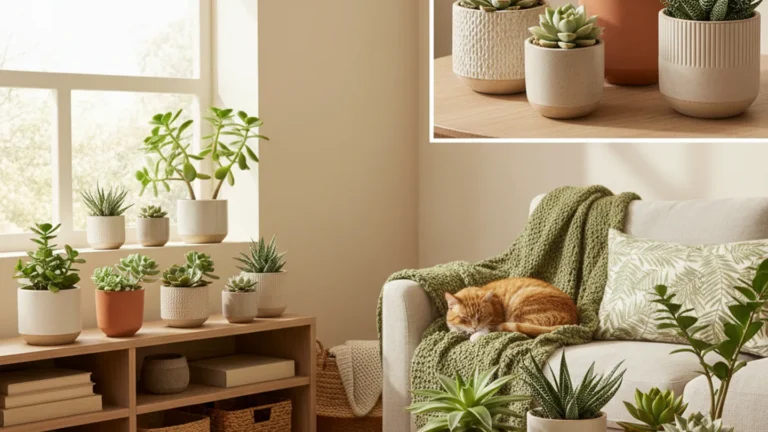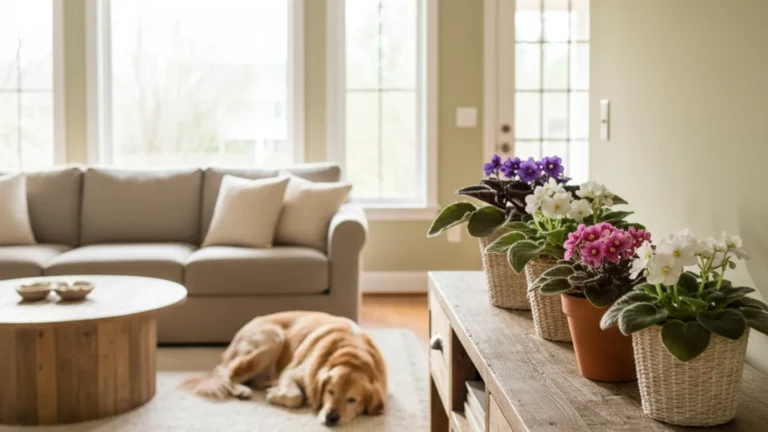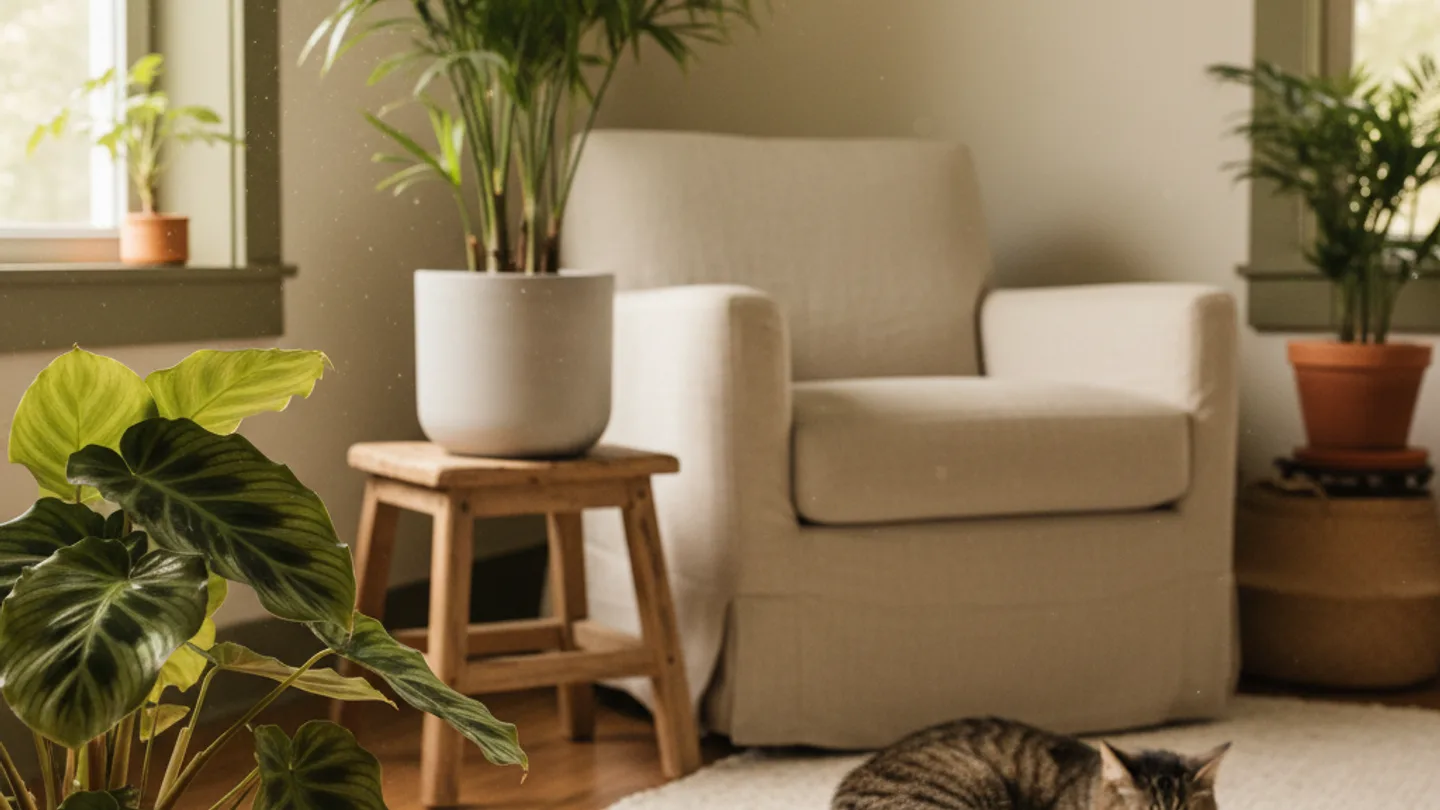
Pet-Safe Plants for Low Light Rooms
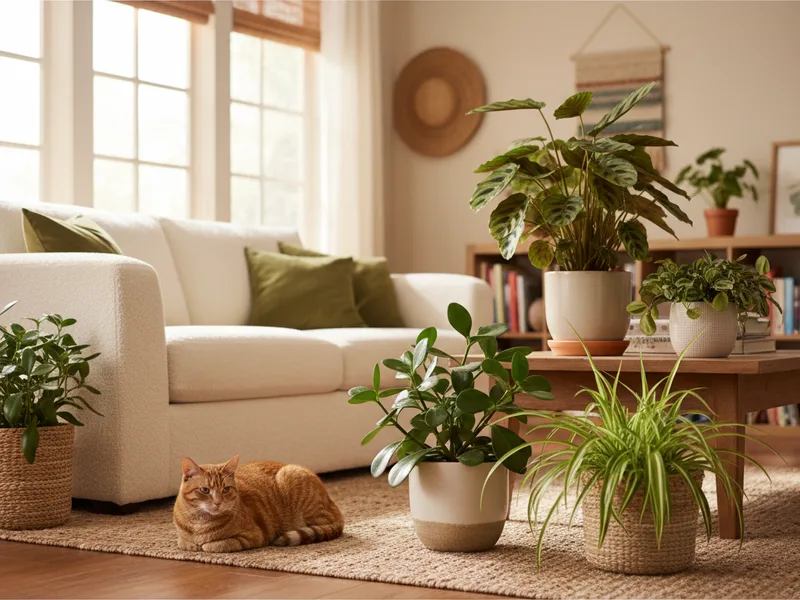
Here is the short answer: yes, you can have a green home with dim rooms and curious pets. Every plant on this list is generally considered non-toxic to both cats and dogs, and each one tolerates genuinely low light, not greenhouse-bright conditions.
We give each plant a realistic light floor, so you know exactly how dark a room can be before the plant starts to struggle. Popular low light plants like pothos, snake plant and philodendron are off this list on purpose, because they are toxic to cats and dogs.
One note on safety: non-toxic means a nibble is unlikely to cause poisoning, but any plant can still cause mild stomach upset if your pet eats a lot. If symptoms like vomiting, drooling or lethargy appear, contact your vet.
Key takeaways
- All 8 plants listed are generally considered non-toxic to cats and dogs, based on standard toxicity classifications.
- A realistic light floor matters more than marketing labels. Each entry states how dark it can really go.
- Popular low light staples like pothos, snake plant, philodendron and ZZ plant are toxic, so they are excluded here.
- Low light means slower growth and less water. Overwatering is the main way low light plants die.
- Match the plant to your room: a north-facing window is fine for all picks, a windowless bathroom needs a grow light or regular rotation.
Why this list is different from most low light lists
Search for low light plants and the same names keep coming up: pothos, snake plant, philodendron, ZZ plant, peace lily. They are genuinely tough, but every one of them is toxic to cats and dogs. Pothos contains calcium oxalate crystals, tiny sharp crystals that can irritate your pet's mouth and throat, causing drooling and pawing at the mouth.
If you already own one of those, check our guides on is pothos toxic and is snake plant toxic to see the symptoms to watch for and how to place them out of reach.
This list takes the opposite approach. Every entry passes two tests: it is generally considered non-toxic to cats and dogs, and it can live in the kind of light a real apartment offers, like a north-facing window or a spot several feet from any window.
| Plant | Why it qualifies | Realistic light floor | Best spot |
|---|---|---|---|
| Cast iron plant (Aspidistra) | Famously hard to kill; tolerates neglect and dim corners | Survives in a dim corner 10+ feet from a window | Hallway or dark living room corner |
| Parlor palm (Chamaedorea elegans) | Grew up on shaded forest floors; slow grower | A few feet from a north-facing window | Bedroom or office corner |
| Boston fern | Classic non-toxic fern; likes humidity | North-facing window or a few feet from east light | Bathroom with a window |
| Prayer plant (Maranta) | Folds leaves at night; thrives in shade where others stretch | North window or several feet back from a window | Living room shelf |
| Peperomia (most types) | Compact, slow, and happy in indirect low light | Within a few feet of any window, including north | Desk or side table |
| Haworthia | Small succulent that tolerates far less sun than most succulents | North-facing windowsill | Kitchen windowsill |
| Spider plant (Chlorophytum comosum) | Very adaptable and non-toxic; easy to propagate | Survives several feet from a window; grows best in brighter indirect light | Hanging basket out of paw reach |
| Ponytail palm | Non-toxic and drought tolerant; slow grower | Near a north or east window | Floor spot near a window |
How to read a low light room before you buy
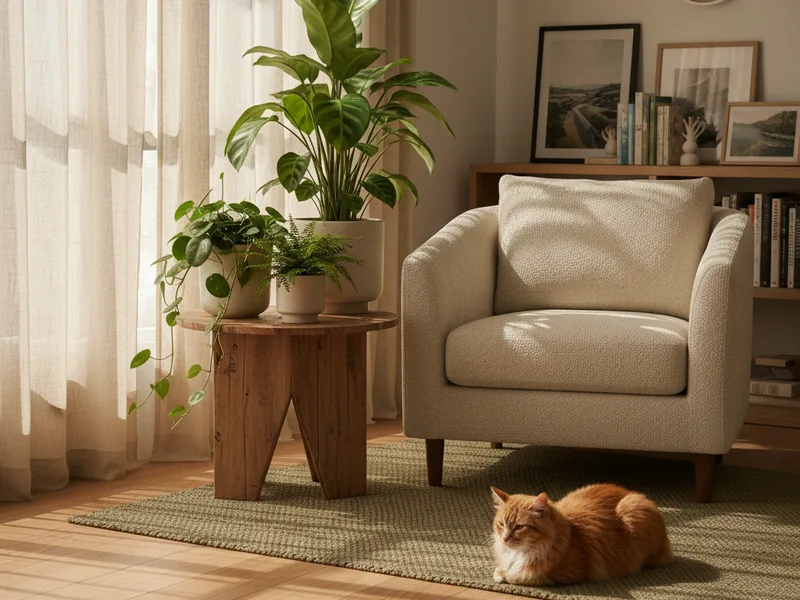
Low light is a vague label. Here is a practical test: stand in the spot at midday and try to read a book. If you can read comfortably without a lamp, most plants on this list will manage there. If you need a lamp, only the cast iron plant will cope long term, and even it will grow slowly.
North-facing rooms in the US get soft, even light all day and no direct sun. That suits every plant in the table. A windowless room has no usable natural light at all, no matter how bright the ceiling lights feel to you. For those rooms, rotate the plant to a window weekly or add a small grow light.
Two care adjustments matter in low light. First, water less, because soil dries slowly and root rot is the main killer. Second, clean the leaves now and then, since dust blocks the little light the plant gets.
Safe alternatives to popular toxic low light plants
If you had your heart set on a plant you later found out is toxic, there is usually a safe stand-in with a similar look and light need.
Love the trailing look of pothos? A spider plant in a hanging basket gives you cascading greenery and is non-toxic. Wanted a snake plant for a dark hallway? The cast iron plant fills the same role with tall, upright leaves. Tempted by a philodendron's heart-shaped foliage? A peperomia gives you lush leaves at a smaller scale.
You can read the full toxicity breakdowns in our guides on is philodendron toxic and is monstera toxic, including what happens if a pet takes a bite and when to call the vet.
Frequently asked questions
Are all the plants on this list safe for both cats and dogs?
Yes. Every plant listed is generally considered non-toxic to cats and dogs. Non-toxic is not the same as harmless: eating a large amount of any plant can cause mild vomiting or diarrhea. If your pet shows symptoms after chewing a plant, contact your vet.
Can any of these plants survive in a room with no windows?
Not long term. No houseplant lives without light. A windowless bathroom or hallway can work if you rotate the plant to a brighter spot every week or use a small grow light. The cast iron plant copes best with dim spots, but it still needs some natural light.
Why are pothos and snake plants not on this list?
Both are toxic to cats and dogs. They contain calcium oxalate crystals, tiny sharp crystals that can irritate your pet's mouth and throat. We only include plants generally considered non-toxic, so they are excluded even though they tolerate low light well.
How often should I water plants in low light?
Less often than the care tag suggests. In dim rooms, soil dries slowly. Check the top inch or two of soil with your finger and water only when it feels dry. Overwatering in low light is the most common way these plants die.
My pet chewed a plant from this list. What should I do?
Stay calm. These plants are generally considered non-toxic, so a small nibble rarely causes serious harm. Remove plant pieces from your pet's mouth and watch for vomiting, drooling or lethargy. If symptoms appear or your pet ate a large amount, call your vet or the ASPCA Animal Poison Control Center.