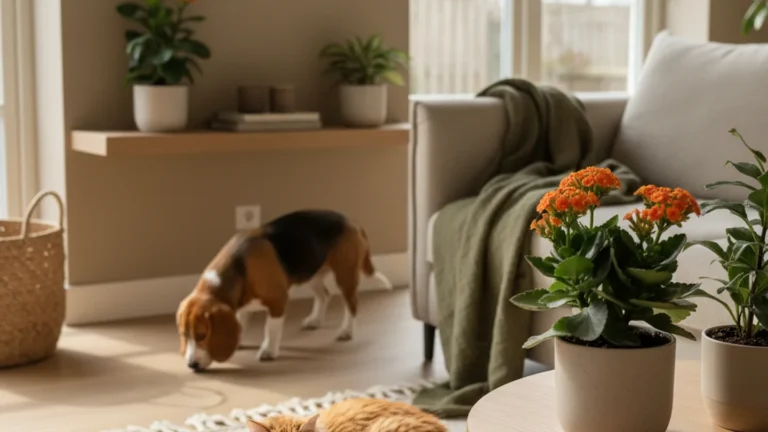
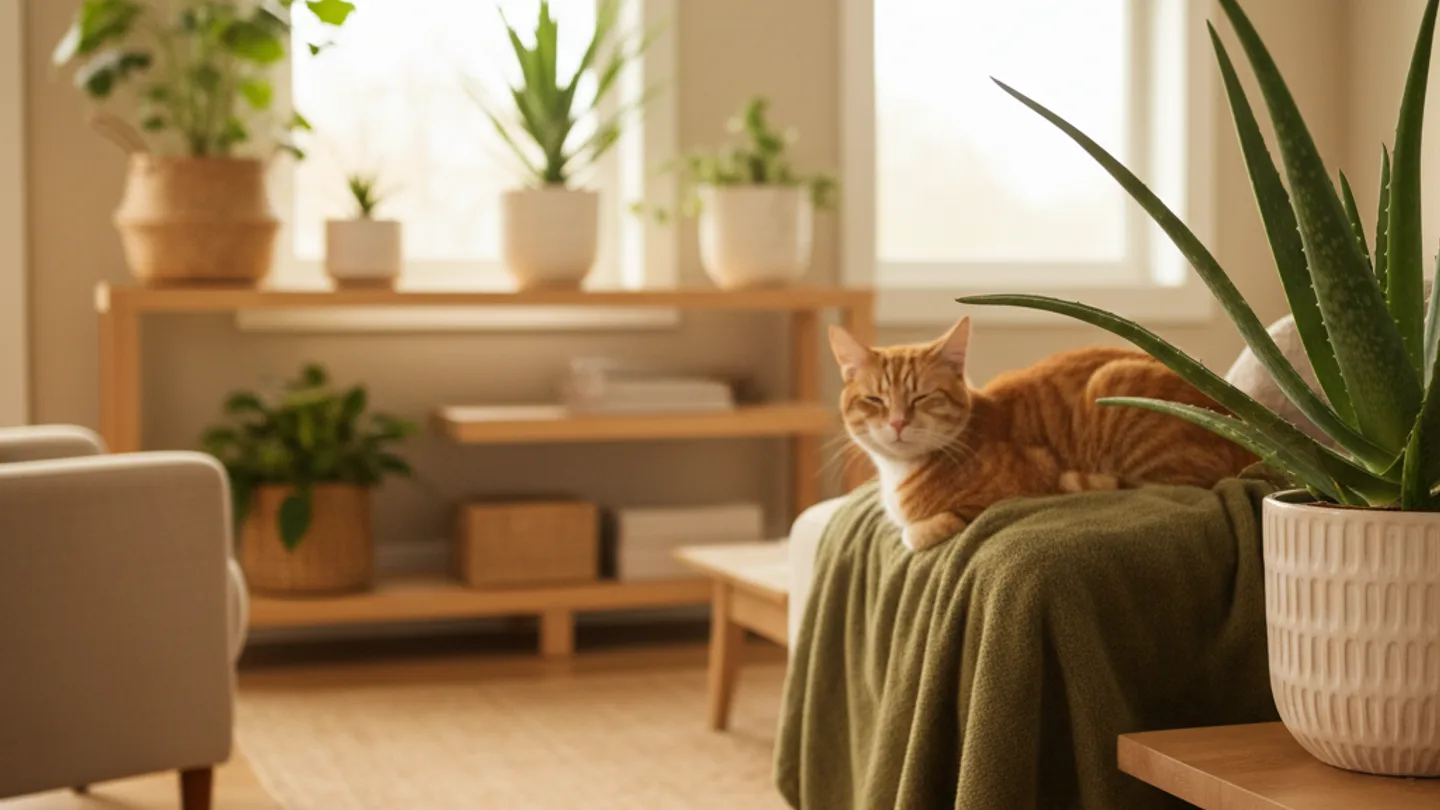
Is Aloe Vera Toxic to Cats and Dogs?
Aloe vera is toxic to both cats and dogs. The clear inner gel is the part people use on skin, but the plant also contains a yellow latex layer just under the leaf skin, and that is where the trouble sits. That latex holds compounds called saponins and anthraquinones that can upset your pet's stomach and digestive system.
If your cat or dog chews a leaf, the most likely outcome is vomiting, diarrhea and lethargy. It is rarely life threatening, but it is genuinely uncomfortable, and it is worth knowing what to watch for.
Below you will find what makes aloe vera risky, what to do if your pet takes a bite, and a pet-safe plant that gives you the same sculptural, spiky look.
The short answer
- Aloe vera is toxic to cats and dogs.
- The problem is the yellow latex layer under the leaf skin, not the clear gel inside.
- The latex contains saponins and anthraquinones, compounds that irritate the digestive tract.
- Typical symptoms are vomiting, diarrhea, lethargy and loss of appetite.
- Most cases are mild to moderate, but call your vet if symptoms appear or your pet ate a large amount.
- A haworthia gives you a similar spiky rosette look and is generally considered non-toxic to cats and dogs.
Why aloe vera is toxic: it is the latex, not the gel
An aloe leaf has three parts. On the outside is the tough green skin. Just under that sits a thin layer of yellow, bitter sap called latex. In the middle is the clear gel people use in skincare.
The latex is the part that matters for pet safety. It contains saponins, soapy compounds that irritate the mouth, stomach and intestines. It also contains anthraquinones, most notably aloin, a strong natural laxative. In plain words: if your pet eats the leaf, these compounds make the digestive system speed up and cramp.
This gel versus latex difference explains a common confusion. Pet owners read that aloe gel is soothing, and it is, for human skin. But a cat or dog biting into a houseplant leaf does not neatly separate gel from latex. They get the whole leaf, latex included, and that is what causes the reaction.
What happens if your cat or dog eats aloe vera
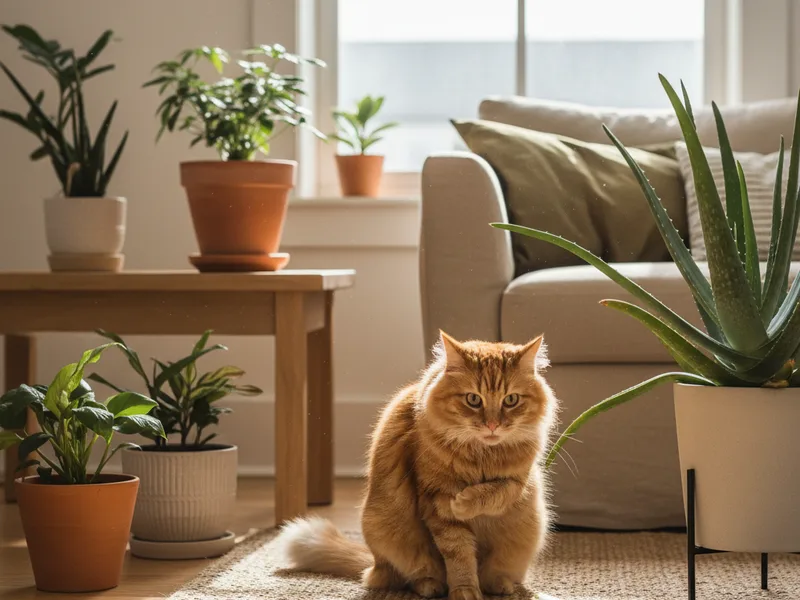
Symptoms usually show up within a few hours of chewing or swallowing the leaf. The most common signs are vomiting, diarrhea and lethargy. You may also notice loss of appetite, trembling or a change in urine color in some cases.
For most healthy adult pets, a small nibble leads to a rough day rather than an emergency. The anthraquinones act as a laxative, so diarrhea is the signature symptom, and with it comes a risk of dehydration, especially in kittens, puppies, seniors and small breeds.
Take it more seriously if your pet ate a large amount, if vomiting or diarrhea continues beyond a day, or if your pet seems weak or refuses water. Those are reasons to call your vet the same day rather than wait it out.
What to do if your pet ate aloe vera
Remove the plant and any chewed pieces
Move the plant out of reach and clear away fallen leaf fragments so your pet cannot keep nibbling.
Check how much is missing
Look at the leaf and estimate how much your pet ate. A small bite is different from a whole leaf, and your vet will ask.
Rinse the mouth if your pet allows it
Offer fresh water or gently wipe the mouth. Do not force it and do not try to make your pet vomit unless a vet tells you to.
Call your vet or a pet poison line
Describe the plant, the amount and any symptoms. Follow their advice on whether to monitor at home or come in.
Watch for 24 hours
Keep an eye on vomiting, diarrhea, energy level and water intake. If symptoms persist or your pet becomes weak, see a vet promptly.
A pet-safe swap with the same spiky look
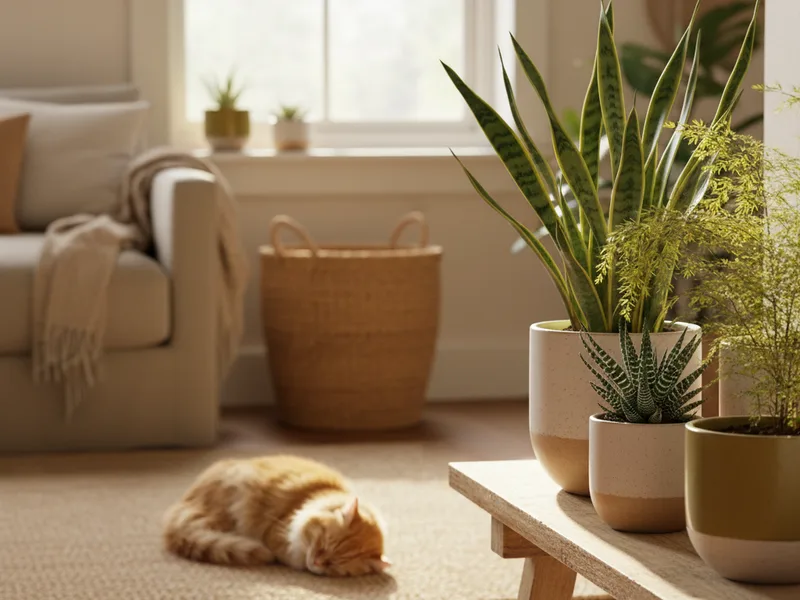
Love the sculptural shape of aloe but not the risk? Haworthia is your plant. It forms the same kind of fleshy, pointed rosette, stays compact on a windowsill, and is generally considered non-toxic to cats and dogs.
Care is almost identical too. Haworthia likes bright light, a gritty succulent soil, and a soak only when the soil has dried out. It is actually more forgiving than aloe in lower light, which makes it a better fit for real apartments.
If you want something taller, a parlor palm or a ponytail palm also read as architectural without the toxic latex. And if you are checking other plants in your home, our guides on pothos and monstera follow the same verdict-first format.
As with any plant, non-toxic does not mean risk free. Eating a large amount of any plant material can still cause a stomach upset, so keep even safe plants out of heavy chewing range.
Common questions about aloe vera and pets
Is aloe vera toxic to cats?
Yes. Aloe vera is toxic to cats. The latex layer under the leaf skin contains saponins and anthraquinones that can cause vomiting, diarrhea and lethargy. Contact your vet if your cat shows symptoms.
Is aloe vera toxic to dogs?
Yes. Dogs react the same way. The typical signs are vomiting, diarrhea, tiredness and loss of appetite after chewing the leaf. Most cases are mild, but call your vet if symptoms persist or your dog ate a lot.
Is the gel inside aloe vera safe for pets?
The pure inner gel is far less irritating than the latex, but a pet biting a leaf always gets latex along with the gel. For practical purposes, treat the whole plant as toxic and keep it out of reach.
How much aloe vera is dangerous for a cat or dog?
There is no safe threshold to aim for. A small nibble usually causes mild stomach upset, while larger amounts raise the risk of dehydration from vomiting and diarrhea. When in doubt, call your vet.
Can I keep aloe vera if I have pets?
You can, but only if it is truly out of reach, for example in a room your pets cannot enter. Cats jump and dogs counter surf, so high shelves are less reliable than they seem. A haworthia is the easier choice.
What is a good pet-safe alternative to aloe vera?
Haworthia. It has the same spiky, fleshy rosette shape, tolerates similar light, and is generally considered non-toxic to cats and dogs. Ponytail palm is a larger, equally safe option.