Is Dieffenbachia Toxic to Cats and Dogs?
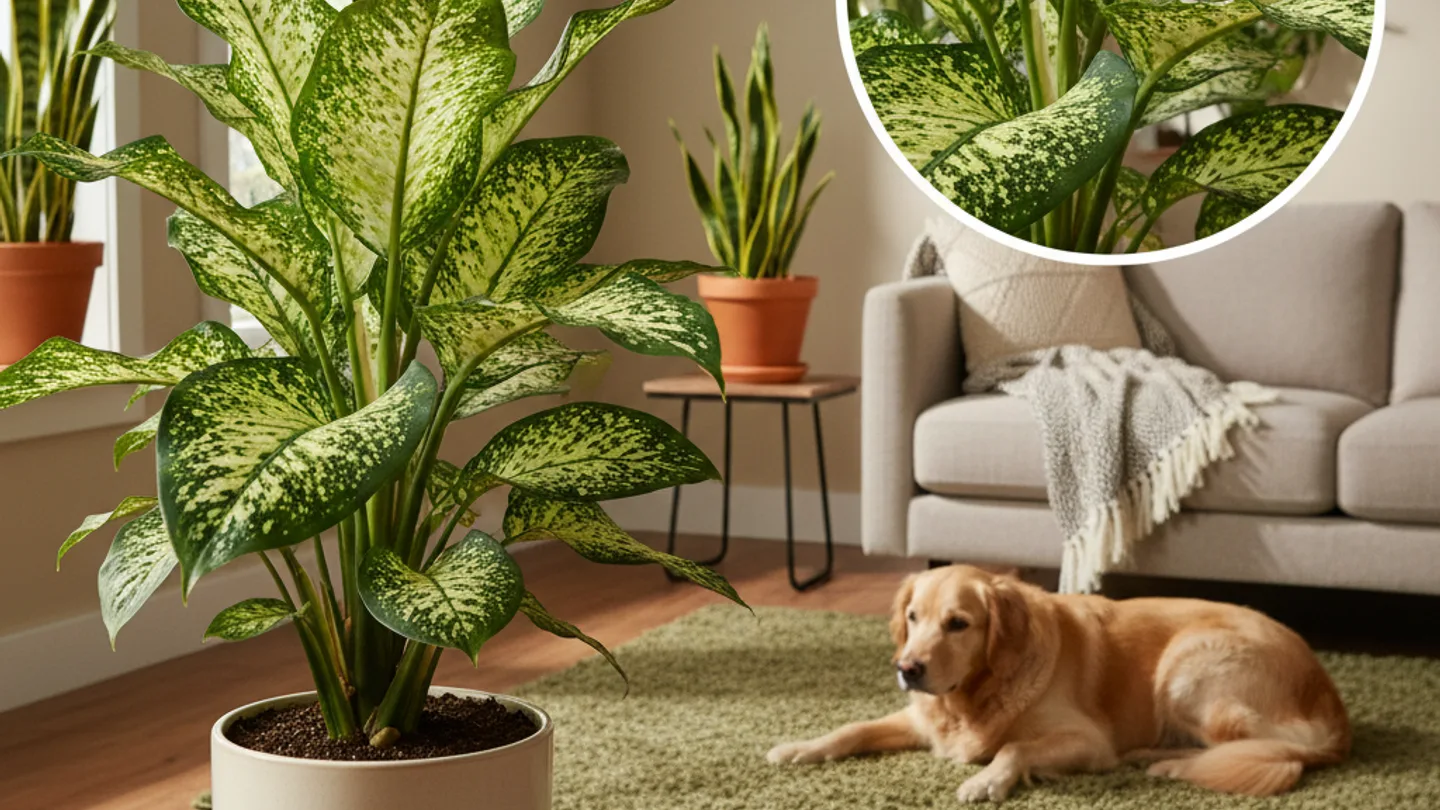
Dieffenbachia, also called dumb cane, is toxic to both cats and dogs. Every part of the plant contains calcium oxalate crystals that cause immediate pain and swelling in the mouth and throat.
It is one of the most common houseplants in the US, and one of the most common plant poisonings reported in pets. If you share your home with a cat or dog, this is a plant to move out of reach or replace.
Below you will find what happens if your pet chews it, when it becomes a vet emergency, and a pet-safe plant with a similar lush look.
The short answer
- Dieffenbachia is toxic to cats and dogs.
- The cause is calcium oxalate: tiny sharp crystals that pierce the soft tissue of the mouth and throat.
- Typical symptoms: drooling, pawing at the mouth, swollen lips or tongue, vomiting.
- Trouble breathing or severe swelling means an urgent vet visit.
- A pet-safe swap with a similar look: the cast iron plant or a parlor palm.
Why dieffenbachia hurts pets
Dieffenbachia leaves and stems are packed with calcium oxalate crystals. Calcium oxalate crystals are tiny sharp crystals that can irritate your pet's mouth and throat. Think of them as microscopic needles bundled inside the plant's cells.
The moment your cat or dog bites into a leaf, those crystals shoot into the soft tissue of the lips, tongue and gums. The pain is instant. That is actually the one small mercy: most pets stop after one bite because it hurts right away.
The nickname dumb cane comes from the same effect in people. Swelling of the tongue and throat can make it hard to speak for a while. In pets, the same swelling is the main danger.
Symptoms to watch for
Most signs show up within minutes of chewing. Watch for:
Heavy drooling or foaming at the mouth. Pawing or rubbing at the mouth and face. Swelling of the lips, tongue or eyelids. Vomiting or refusing food. A hoarse meow or bark, or visible distress when swallowing.
Most cases stay limited to the mouth and pass within a day or so with supportive care. The situation changes when swelling reaches the airway. If your pet is struggling to breathe, wheezing, or the swelling is getting worse, treat it as an emergency and get to a vet immediately.
Even in milder cases, call your vet or a pet poison hotline for guidance. Tell them the plant name, roughly how much was chewed, and when it happened.
What to do if your pet ate dieffenbachia
Remove plant material
Gently clear any leaf pieces from your pet's mouth if you can do so safely. Keep your pet from chewing more.
Rinse the mouth
Offer fresh water or gently rinse the mouth with a slow stream of cool water. Do not force it if your pet resists.
Call your vet or poison control
Describe the plant, the amount and the symptoms. Follow their advice on whether to come in or monitor at home.
Watch the breathing
For the next several hours, keep a close eye on swelling and breathing. Worsening swelling or labored breathing means an emergency vet visit now.

A pet-safe swap with the same lush look
Part of dieffenbachia's appeal is those big, bold, patterned leaves. You do not have to give that up.
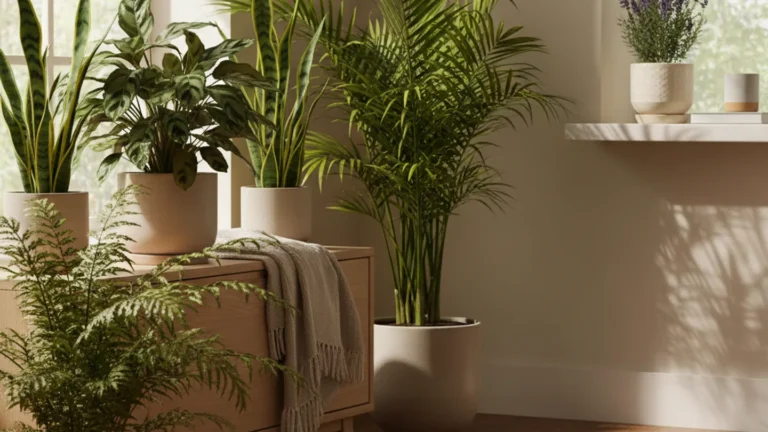
The cast iron plant (Aspidistra elatior) has broad, deep green leaves, tolerates low light, and is generally considered non-toxic to cats and dogs. It suits the same shady corners where dieffenbachia usually sits.
A parlor palm is another good match: full, leafy, compact, and happy in indirect light. Both handle real apartment conditions, not just greenhouse light.
Keep in mind that non-toxic does not mean a free snack. Any plant material can cause an upset stomach if your pet eats enough of it, so place even safe plants thoughtfully.
If you keep your dieffenbachia anyway
Some owners decide to keep the plant and manage the risk. If that is you, placement is everything. A high shelf a cat can reach is not out of reach. Hanging planters, closed rooms, or a terrarium-style cabinet are more realistic barriers.
Pick up fallen leaves quickly, since a dried leaf on the floor is just as irritating as a fresh one. And be honest about your pet: a determined chewer and a dieffenbachia are a bad combination no matter the shelf height.
Looking for another popular plant with a similar verdict? Read our guide on whether Monstera is toxic to cats and dogs.
Common questions about dieffenbachia and pets
Is dieffenbachia toxic to cats?
Yes. Dieffenbachia is toxic to cats. Chewing any part of the plant releases calcium oxalate crystals that cause immediate mouth pain, drooling and swelling. Contact your vet if your cat has bitten into a leaf.
Is dieffenbachia toxic to dogs?
Yes, dogs are affected the same way. Expect drooling, pawing at the mouth and possible vomiting. Call your vet, and treat breathing trouble or severe swelling as an emergency.
Can dieffenbachia kill a cat or dog?
Death is rare, because the instant pain usually stops pets from eating much. The real risk is throat swelling that blocks the airway, which is why breathing problems always mean an urgent vet visit.
How much dieffenbachia is dangerous?
Even a single bite causes symptoms, because the crystals act on contact rather than by dose. More chewing means more swelling, so remove plant material and call your vet for any exposure.
What is a pet-safe plant that looks like dieffenbachia?
The cast iron plant offers similar broad leaves and low-light tolerance and is generally considered non-toxic. A parlor palm is another leafy, compact option for the same spot.