Is Gladiolus Toxic to Cats and Dogs?
Gladiolus plants are toxic to both cats and dogs. Every part of the plant can cause problems, but the corms, the bulb-like structures underground, are the most dangerous. If your pet chews a gladiolus, watch for vomiting, drooling and lethargy, and call your vet.
The risk looks different depending on how the plant enters your home. A bouquet of cut stems on the kitchen counter is a different situation from a dog digging up freshly planted corms in the yard. This guide covers both, plus tall, pet-safe flowers that give you the same dramatic look.
The short version
- Gladiolus is toxic to cats and dogs. No part of the plant is considered safe.
- The corms, the underground bulb-like parts, hold the highest concentration of irritants and cause the worst reactions.
- Common signs include vomiting, drooling, diarrhea, lethargy and loss of appetite.
- Cut bouquet stems are still toxic, but a nibble on a stem is usually a smaller dose than eating a corm.
- Call your vet if your pet eats any part of a gladiolus, and keep a sample of the plant.
- Safe tall swaps for bouquets include snapdragons, sunflowers, roses, lisianthus and stock.
Yes, gladiolus is toxic to both cats and dogs
Gladiolus is listed as toxic to cats and dogs. That means no part of the plant is a safe snack: not the leaves, not the flowers, not the stems and definitely not the corms.
A quick word on that last term, because it matters here. A corm is a swollen underground stem that stores food for the plant. It looks like a small brown bulb. And as with cyclamen, this underground part is where the trouble concentrates.
The reassuring news: most pets that mouth a leaf or a petal end up with mild to moderate stomach upset. The less reassuring news: a dog that digs up and eats corms can get a much heavier dose, and that is when you want your vet on the phone.
| Plant part | Risk level | When pets run into it |
|---|---|---|
| Corm (the underground "bulb") | Highest | Dogs digging in beds, or corms stored or drying within reach |
| Leaves | Toxic | Cats chewing garden foliage or greenery in a bouquet |
| Flowers | Toxic | Bouquets on tables, fallen petals on the floor |
| Cut stems | Toxic | Vase arrangements, plus the vase water they sit in |
Symptoms: vomiting, drooling and a very quiet pet
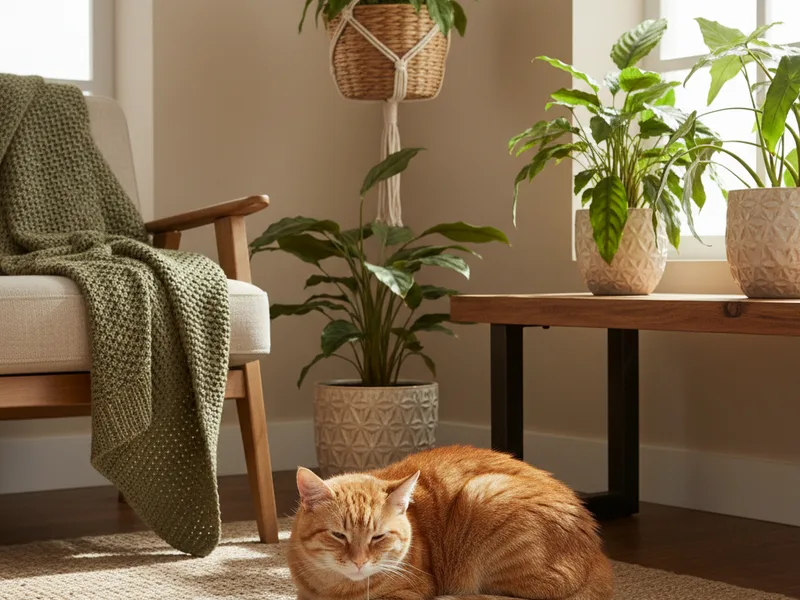
The signs to watch for are vomiting, drooling, diarrhea, loss of appetite and lethargy. Lethargy means your pet seems unusually tired or flat, and ignores things that normally get them moving.
These signs usually show up within a few hours of chewing. A cat that licked a petal may only drool and skip a meal. A dog that ate one or more corms may vomit repeatedly and seem genuinely miserable.
If you have read our guide on monstera, the pattern will sound familiar: irritation first, then stomach upset. The difference is that with gladiolus, the biggest doses come from underground, not from the leaves on your shelf.
Call your vet whenever symptoms appear. Do not wait it out if your pet ate a corm, is very small, or keeps vomiting. Quick advice is always better than a long night of worry.
What to do if your pet eats gladiolus
Remove the plant
Take the plant or bouquet away and gently clear any pieces from your pet's mouth. Keep a sample of what was eaten so you can show it to the vet.
Work out what and how much
Check whether it was a leaf, a flower, a stem or a corm, and estimate how much is missing. The plant part and amount help your vet judge the risk.
Offer fresh water
Let your pet drink if they want to. Do not try home remedies, and do not make your pet vomit unless a vet explicitly tells you to.
Call your vet or a poison hotline
Describe the plant part, the amount and your pet's weight. In the US, you can also reach ASPCA Animal Poison Control around the clock for guidance.
Watch and follow up
Keep an eye on your pet for the rest of the day. If vomiting, drooling or lethargy appear or get worse, see a vet and bring the plant sample with you.
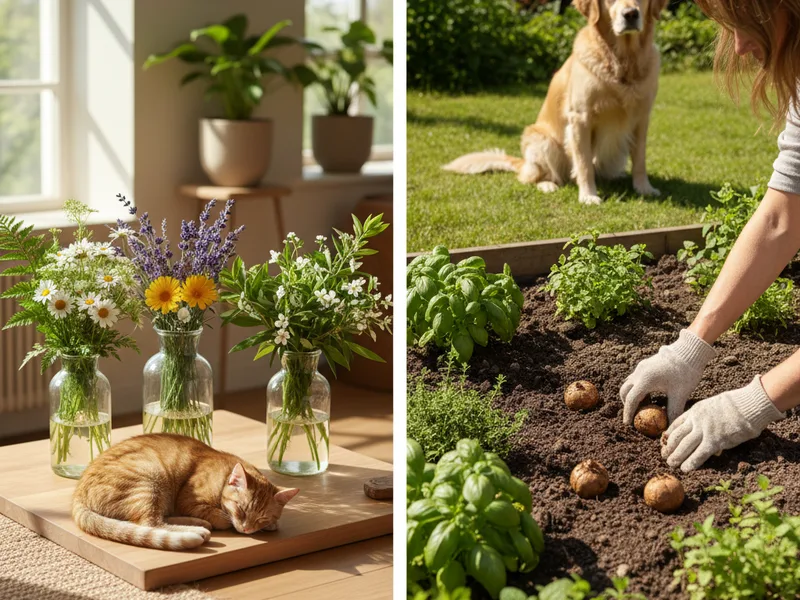
Bouquets on the counter vs corms in the garden
Cut gladiolus stems in a vase are still toxic. Cats are the usual suspects here: they chew the tall flowers, bat at fallen petals and sometimes drink the vase water, which can pick up irritants from the stems. Place arrangements where your cat genuinely cannot reach them, and pick up dropped petals quickly.
A nibble on a cut stem is usually a smaller dose than eating a corm. Smaller does not mean safe, though. It just means the odds of a milder reaction are better.
In the garden, the story flips. Dogs that dig are the classic corm victims. The risky moments are spring, when beds are freshly planted, and fall, when corms are lifted and left to dry. Store corms where pets cannot get to them, and supervise known diggers in the weeks after planting.
The only fully relaxed bouquet is one your pet cannot reach, or one built from flowers that are generally considered non-toxic. The table below gives you tall options with the same presence as gladiolus.
| Flower | Pet safety | The look | Good to know |
|---|---|---|---|
| Snapdragon | Generally considered non-toxic | Tall, colorful spikes, the closest match to the gladiolus shape | Easy to find in mixed bouquets |
| Sunflower | Generally considered non-toxic | Big, bold faces on strong, tall stems | A single stem already fills a vase |
| Rose | Generally considered non-toxic | Classic tall stems for formal arrangements | Trim the thorns, which can scratch curious mouths |
| Lisianthus | Generally considered non-toxic | Soft, ruffled blooms on elegant long stems | Known for a long vase life |
| Stock | Generally considered non-toxic | Full, fragrant spikes in soft colors | Strong scent, so give the vase some air |
Common questions about gladiolus and pets
Is gladiolus toxic to cats, or only to dogs?
Both. Gladiolus is listed as toxic to cats and to dogs. Cats most often run into it through bouquets on tables, while dogs more often meet the corms in the garden.
Are gladiolus bulbs and corms the same thing?
In everyday language, yes. Gardeners and shops often say bulb, but technically gladiolus grows from a corm, a swollen underground stem. Either way, it is the most dangerous part of the plant for your pet.
My cat only licked a gladiolus leaf. Is that an emergency?
A small lick or nibble usually causes mild signs like drooling or a skipped meal, not an emergency. Watch your cat closely for the next hours. If vomiting, diarrhea or lethargy appear, call your vet.
Is the water in a vase with gladiolus toxic?
It can be. Cut stems release irritants into the water, and some cats and dogs like to drink from vases. Treat the water as off limits, change it where your pet cannot reach, and pour old water straight down the drain.
How much gladiolus is too much for a dog?
There is no established safe amount, and it depends on your dog's size and on which part was eaten. Corms deliver the heaviest dose. When in doubt, call your vet with the plant part, the estimated amount and your dog's weight.
What tall flowers are safe swaps for gladiolus?
Snapdragons, sunflowers, roses, lisianthus and stock all give you height and color and are generally considered non-toxic for cats and dogs. Even with safe flowers, keep vases out of reach, because any chewed plant can upset a stomach.