
Are Daffodils Toxic to Cats and Dogs?
Daffodils are toxic to both cats and dogs. Every part of the plant is a problem, and the bulb is the most dangerous part of all.
If your pet chewed a daffodil leaf, flower or bulb, call your vet or a pet poison hotline right away, especially if you see vomiting or drooling.
Below you will find what daffodil poisoning looks like, why spring gardens and vases are risky, and which yellow flowers give you the same cheerful look without the danger.
The short answer
- Daffodils are toxic to cats and dogs.
- The bulbs contain the highest concentration of toxins, so digging dogs face the biggest risk.
- Typical symptoms are vomiting, drooling and diarrhea. Large amounts can affect the heart and breathing.
- Vase water from cut daffodils is also toxic. Do not let pets drink it.
- Pet-safe yellow swaps include sunflowers, marigolds and orchids.
Why daffodils are toxic
Daffodils contain lycorine, an alkaloid that triggers vomiting. Lycorine is a natural chemical the plant makes to protect itself, and it irritates the stomach and gut of any animal that eats it.
The whole plant is toxic: petals, stems and leaves. But the bulb holds the highest concentration. That matters because bulbs sit in the soil, exactly where a curious dog likes to dig.
Daffodil bulbs also cause trouble because they look like onions or other round objects a dog might pick up and chew. A single bulb can hold enough lycorine to make a small dog or cat quite sick.
Symptoms of daffodil poisoning
Most cases involve a pet that chewed a leaf or flower. The usual signs appear within a few hours:
Vomiting, often the first and most obvious sign.
Drooling and foaming at the mouth.
Diarrhea and belly pain.
Larger amounts, typically from eating bulbs, can cause more serious effects. These include changes in heart rate and heart rhythm, low blood pressure and breathing difficulties. Tremors are also possible in severe cases.
If you see vomiting, drooling or any change in your pet's behavior after contact with daffodils, contact your vet. Bring a piece of the plant or a photo so the vet knows what they are dealing with.
The spring garden risk: digging dogs
Daffodils are planted in fall and bloom in early spring. That creates two risky moments.
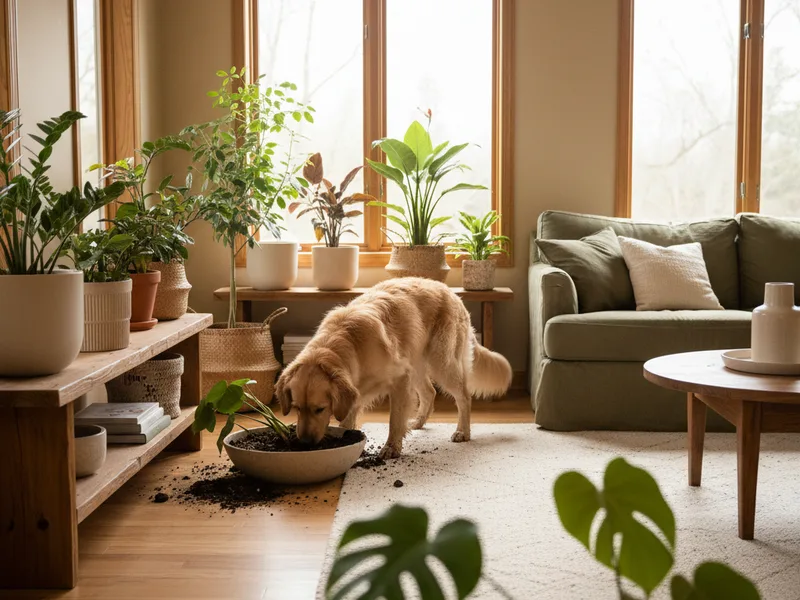
In fall, freshly planted bulbs sit in loose, soft soil. Dogs that dig in beds can unearth and chew them within minutes.
In spring, the flowers and leaves come up at nose height for many dogs and outdoor cats. Cats that graze on greenery can mistake young daffodil leaves for grass.
If your dog is a digger, consider fencing off bulb beds, or skip daffodils entirely and plant something pet-safe instead.
Do not forget the vase water
Cut daffodils in a vase are a hidden risk indoors. The water absorbs toxins from the stems, so a cat or dog that drinks from the vase can get sick even without touching the flowers.
Cats are especially good at reaching vases on tables and shelves. If you bring daffodils inside, place the vase where your pet truly cannot reach it, and refresh the water carefully.
A simpler option: choose a pet-safe bouquet from the start.
| Plant | Pet safety | Look and light |
|---|---|---|
| Daffodil | Toxic to cats and dogs | Bright yellow trumpet flowers, spring beds and pots |
| Sunflower | Generally considered non-toxic | Bold yellow blooms, full sun, great in gardens and vases |
| Marigold | Generally considered non-toxic, mild stomach upset possible in large amounts | Warm yellow and orange flowers, sunny spots, easy from seed |
| Phalaenopsis orchid (yellow varieties) | Generally considered non-toxic | Elegant yellow blooms, bright indirect light indoors |
| Bromeliad (yellow-flowering types) | Generally considered non-toxic | Tropical look, bright indirect light, low maintenance |
What to do if your pet ate a daffodil
Stay calm. Most daffodil exposures end well when you act quickly.
Remove any plant material from your pet's mouth and take away the plant or vase.
Call your vet or a pet poison hotline. In the US, the ASPCA Animal Poison Control Center and the Pet Poison Helpline both operate around the clock. A consultation fee may apply.
Do not make your pet vomit unless a vet tells you to. Watch for vomiting, drooling, diarrhea or lethargy, and note when the exposure happened and roughly how much was eaten.
Even mild symptoms deserve a call. Your vet can tell you whether home monitoring is enough or whether your pet should come in.
Common questions about daffodils and pets
Are daffodils toxic to dogs?
Yes. Daffodils are toxic to dogs. The bulb is the most dangerous part, but leaves and flowers also cause vomiting, drooling and diarrhea. Call your vet if your dog ate any part of a daffodil.
Are daffodils toxic to cats?
Yes. Cats that chew daffodil leaves or flowers can develop vomiting, drooling and belly pain. Young daffodil leaves can look like grass, which tempts grazing cats.
How much daffodil is dangerous for a dog?
There is no safe amount. A bite of a leaf often causes mild stomach upset, while eating a bulb can lead to more serious effects like heart and breathing changes. Treat any exposure as a reason to call your vet.
Is daffodil vase water toxic to pets?
Yes. Toxins from the stems leach into the water. Keep vases out of reach and never let your pet drink from them.
Are other spring bulbs toxic too?
Many are. Tulips and hyacinths also have toxic bulbs. If you share your garden with a digger, check each bulb before planting.
What yellow flowers are safe around cats and dogs?
Sunflowers, marigolds, yellow orchids and yellow bromeliads are generally considered non-toxic. Even with safe plants, discourage chewing, because any plant material can irritate a pet's stomach.