Is Croton Toxic to Cats and Dogs?
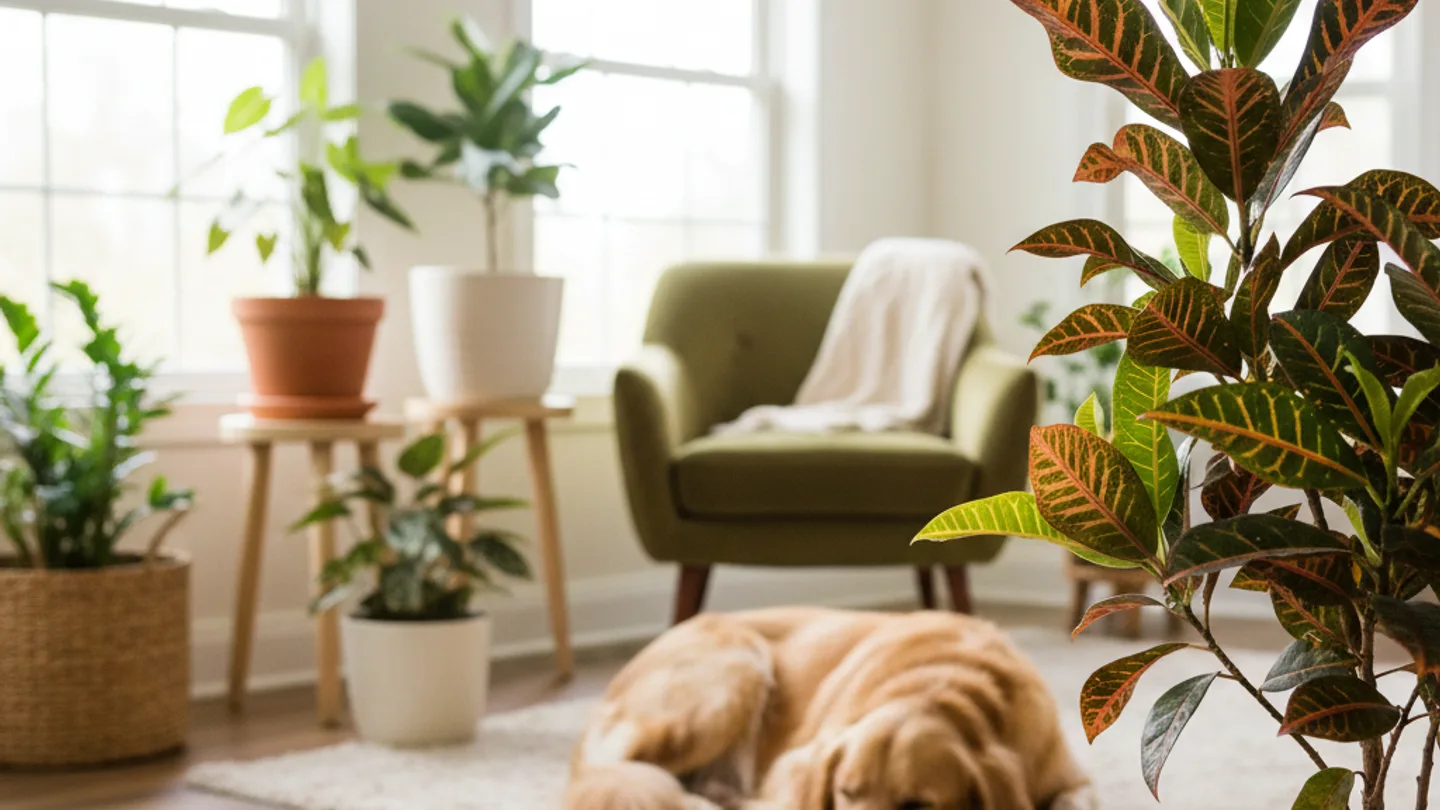
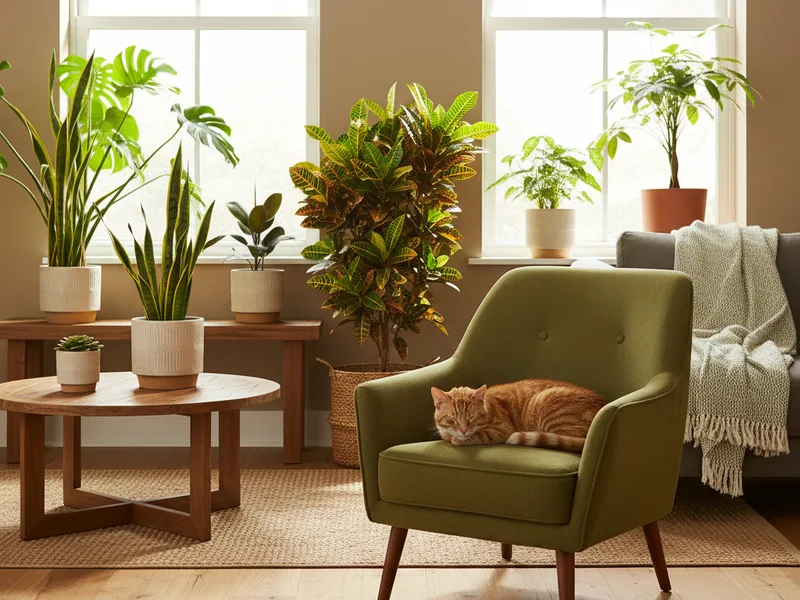
Croton is toxic to both cats and dogs. The milky sap inside the stems and leaves irritates skin and mouths, and chewing on the plant can cause vomiting and diarrhea.
That is a shame, because croton is one of the most colorful houseplants around. Its leaves flash yellow, orange, red and green, which is exactly why it shows up in shops and on Instagram so often.
This guide covers what happens if your pet eats croton, how serious it is, and which pet-safe plants give you a similar burst of color.
Key takeaways
- Croton is toxic to cats and dogs. Keep it out of reach of both.
- The sap irritates skin and mouths. Chewing the leaves often leads to vomiting and diarrhea.
- Most cases are mild to moderate, but contact your vet if symptoms appear or your pet ate a larger amount.
- Pet-safe swaps with colorful foliage include calathea, peperomia, and polka dot plant.
- Never call any plant completely risk free. Even non-toxic plants can cause an upset stomach if eaten in quantity.
Why croton is a problem for pets
Croton (Codiaeum variegatum) belongs to the spurge family. Plants in this family produce a milky white sap when a leaf or stem is broken.
That sap contains compounds that irritate on contact. If it touches your pet's skin, you may see redness or itching. If your pet chews a leaf, the sap irritates the mouth, tongue and throat.
The plant also contains toxins that upset the digestive system when swallowed. The good news: most pets take one bite, dislike the taste and the burning feeling, and stop. Serious poisoning is uncommon, but it is not a plant to take chances with.
Symptoms to watch for
If your cat or dog has chewed on a croton, symptoms usually show up within a few hours.
Common signs include drooling, pawing at the mouth, vomiting and diarrhea. Some pets lose their appetite or seem quieter than usual. Skin contact with the sap can cause redness or a rash.
Call your vet if symptoms appear, if vomiting or diarrhea continues, or if your pet seems lethargic. Tell the vet which plant was eaten and roughly how much. If you are unsure what your pet ate, bring a photo or a piece of the plant.
How severe is croton poisoning?
For most cats and dogs, croton poisoning is mild to moderate. The mouth irritation and stomach upset are unpleasant but usually pass with basic care and your vet's guidance.
The bigger risks are dehydration from ongoing vomiting or diarrhea, especially in small pets, kittens and puppies. Larger amounts eaten raise the risk too.
So treat it seriously without panicking. Move the plant, rinse your pet's mouth gently with water if they allow it, and call your vet for advice. Do not wait for severe symptoms before asking.
Pet-safe plants with the same colorful look
You do not have to give up bold foliage. Several plants that are generally considered non-toxic to cats and dogs bring the same warm, colorful energy as croton.
The swaps below are matched on look and light, so you can pick the one that fits your spot.
| Plant | Why it works as a swap | Light needs |
|---|---|---|
| Croton (toxic, for reference) | Fiery red, orange and yellow leaves, but unsafe for cats and dogs | Bright, direct light |
| Calathea (prayer plant) | Bold patterned leaves with red and purple undersides | Medium, indirect light |
| Polka dot plant (Hypoestes) | Pink, red or white splashes on green leaves | Bright, indirect light |
| Peperomia | Compact, with red, silver or variegated varieties | Medium to bright indirect light |
| Nerve plant (Fittonia) | Striking pink or red veining on small leaves | Medium, indirect light |
If you already have a croton
You have three options. Rehome the plant to a pet-free household, move it somewhere your pets truly cannot reach, or swap it for a safe alternative from the table above.
Be honest about that second option. Cats climb. A high shelf that looks unreachable often is not, and fallen leaves land on the floor where dogs find them.
If you keep the plant, wash your hands after handling or pruning it, and clean up dropped leaves right away. For more verdict-first guides, check our article on Monstera toxicity or browse the blog for other popular plants.
Frequently asked questions
Is croton toxic to cats?
Yes. Croton is toxic to cats. The sap irritates the mouth and skin, and chewing the leaves can cause drooling, vomiting and diarrhea. Contact your vet if your cat shows symptoms.
Is croton toxic to dogs?
Yes. Croton is toxic to dogs as well. Dogs that chew the leaves often vomit or develop diarrhea. Small dogs and puppies can dehydrate faster, so call your vet promptly.
What happens if my pet just touches the croton sap?
Skin contact with the milky sap can cause redness, itching or irritation. Rinse the area gently with lukewarm water and watch for a reaction. Call your vet if the skin looks inflamed or your pet seems uncomfortable.
Are croton seeds or berries also toxic?
Yes, all parts of the croton plant are considered toxic, including the seeds. Keep the whole plant away from pets, not just the leaves.
What is a good pet-safe plant with colorful leaves?
Calathea, polka dot plant, peperomia and nerve plant are all generally considered non-toxic to cats and dogs and offer bold, colorful foliage. Match the plant to your light level for the best results.