Pet-Safe Succulents: Which Ones You Can Trust
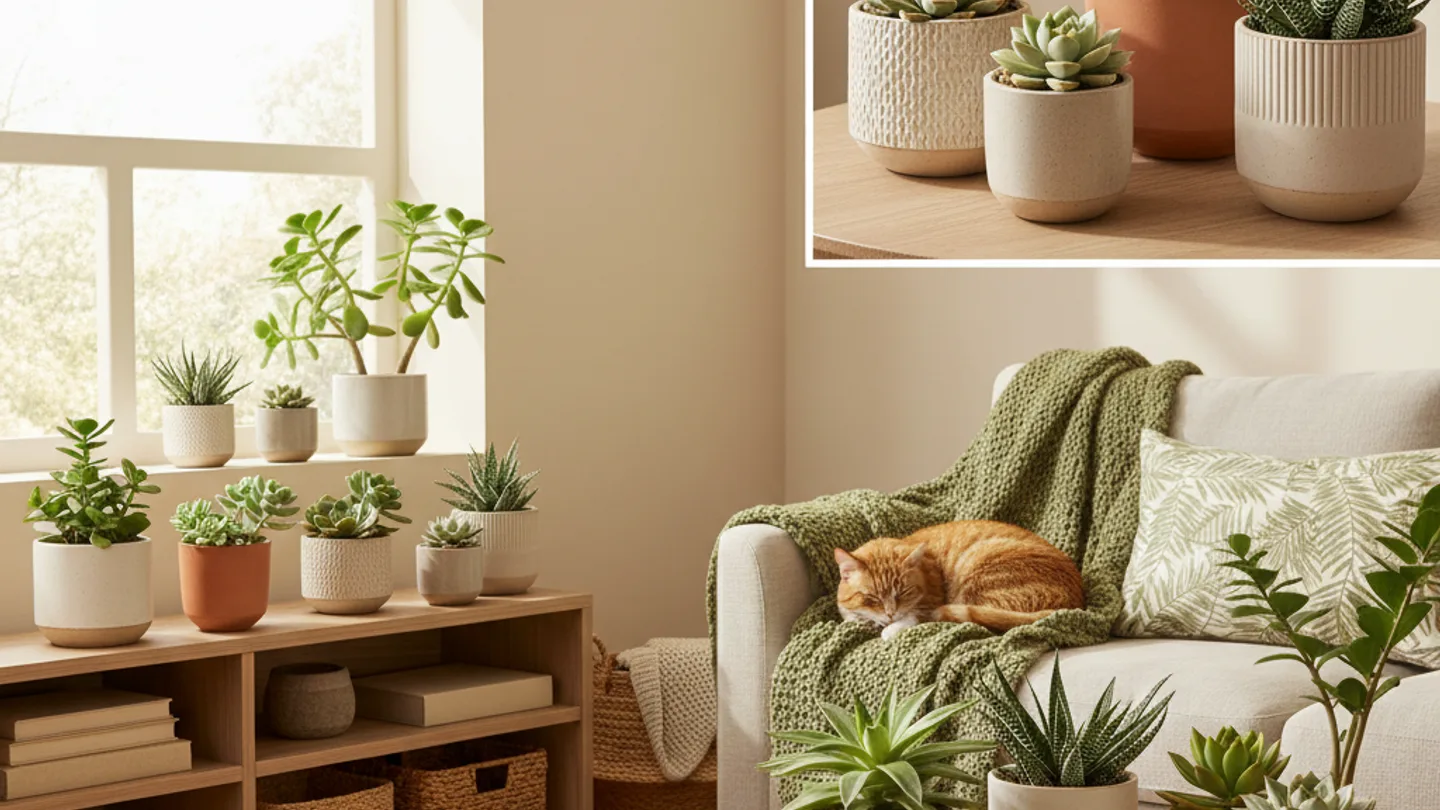
Succulents are everywhere: mixed trays at the supermarket, tiny pots on Instagram, gift sets for birthdays. The good news is that several popular succulents are generally considered non-toxic to cats and dogs. The bad news is that some of the most common ones are not.
This list gives you the succulents you can trust around pets, the ones to leave at the store, and the one shopping trap that catches people out: the mixed tray. Verdict first, details after, so you can decide in under a minute.
The short answer
- Haworthia, echeveria, burro's tail, sempervivum and Christmas cactus are generally considered non-toxic to cats and dogs.
- Jade plant, aloe vera, kalanchoe, string of pearls and euphorbia are toxic to pets and best left at the store.
- Mixed succulent trays often combine safe and toxic species in one pot. Check every plant before you buy.
- Non-toxic does not mean harmless. Eating any plant can cause mild stomach upset, so call your vet if your pet shows symptoms.
The pet-safe succulents you can buy with confidence
These succulents are generally considered non-toxic to cats and dogs. That is not a free pass for a plant buffet. Any plant material can still cause mild vomiting or diarrhea if your pet eats a lot of it. But a curious nibble should not turn into an emergency.
| Succulent | Safe for cats | Safe for dogs | Light it likes | Good to know |
|---|---|---|---|---|
| Haworthia | Yes | Yes | Bright, indirect to some direct sun | Small, striped rosettes that fit a windowsill. Looks like a mini aloe, without the toxicity. |
| Echeveria | Yes | Yes | Bright light, some direct sun | The classic rosette shape you see on Instagram. Needs more light than most apartments offer, so give it your sunniest spot. |
| Burro's tail | Yes | Yes | Bright, indirect light | Trailing stems of plump leaves, ideal for a hanging pot out of paw reach. Leaves drop easily when bumped. |
| Sempervivum (hens and chicks) | Yes | Yes | Full sun to bright light | Tough rosettes that multiply on their own. Happy outdoors and on bright sills. |
| Christmas cactus | Yes | Yes | Bright, indirect light | Not a desert cactus. Likes more water and blooms in winter, which makes it a popular gift. |
Why these five work in real homes
Haworthia is the best starting point. It stays small, tolerates the light of a typical apartment window, and forgives the occasional forgotten watering.
Echeveria and sempervivum want more sun than most homes have. A south or west facing window works. A dark corner does not. Burro's tail and Christmas cactus do well in hanging planters, which doubles as a pet strategy: plants your cat cannot reach cannot be chewed.
The toxic succulents to leave at the store
These are the succulents most often sold next to the safe ones, and they are toxic to cats, dogs or both. Symptoms range from mouth irritation and vomiting to, in the case of kalanchoe, serious effects on the heart. If your pet eats any of these, call your vet or an animal poison line and describe what and how much was eaten.
Jade plant (Crassula ovata): toxic to cats and dogs. Can cause vomiting, depression and in larger amounts a slow or irregular heartbeat.
Aloe vera: toxic to cats and dogs. The gel inside the leaf is the part used on skin, but the outer leaf contains compounds that cause vomiting and lethargy in pets.
Kalanchoe: toxic to cats and dogs. This one deserves the strongest warning on this list, because it contains compounds that can affect the heart. Even small amounts warrant a vet call.
String of pearls: toxic to cats and dogs. Its trailing beads tempt cats, and eating them can cause drooling, vomiting and lethargy.
Euphorbia (including crown of thorns and pencil cactus): toxic to cats and dogs. The milky sap irritates skin, mouth and stomach. Wear gloves when handling it yourself.
The mixed tray trap
Here is the trap: those affordable mixed trays and gift arrangements almost never label individual species. A tray can hold a haworthia next to a jade plant and a euphorbia, all in one pot.
If you cannot identify every plant in the tray with confidence, skip it. A safe pick is only safe when you know what it is. Buy single, labeled plants instead, or ask the shop to identify each one before it goes home with your pets.
Common questions
Are succulents safe for cats and dogs in general?
Some are, some are not. Haworthia, echeveria, burro's tail, sempervivum and Christmas cactus are generally considered non-toxic. Jade, aloe, kalanchoe, string of pearls and euphorbia are toxic. Always check the exact species, not just the word succulent.
What happens if my cat eats a safe succulent?
A nibble of a non-toxic succulent usually causes nothing, or at most mild stomach upset. Watch your pet, remove the plant from reach, and call your vet if you see repeated vomiting, lethargy or anything unusual.
What should I do if my dog eats a toxic succulent?
Call your vet or an animal poison line straight away. Note which plant it was, how much was eaten and when. Do not wait for symptoms, especially with kalanchoe, which can affect the heart.
Are mixed succulent trays safe for pets?
Not by default. Mixed trays often combine safe and toxic species in one container, and labels rarely say which is which. Only buy one if you can identify every plant in it.
How can I keep my cat away from succulents?
Use hanging planters, high shelves or a closed terrarium. Burro's tail and Christmas cactus trail nicely from a hanging pot, which keeps both the plant and the cat out of trouble.
Not sure about a plant you already own?
Check our other verdict guides before your pet does the taste test. Every guide starts with one clear answer.