Prayer Plant Care: A Pet-Safe Beauty That Moves
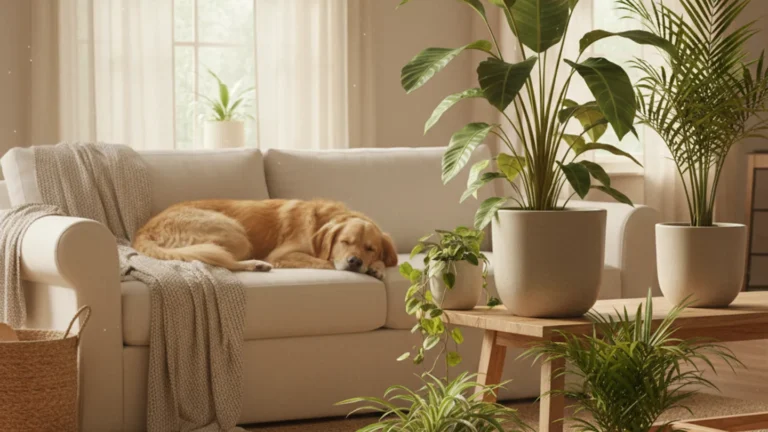
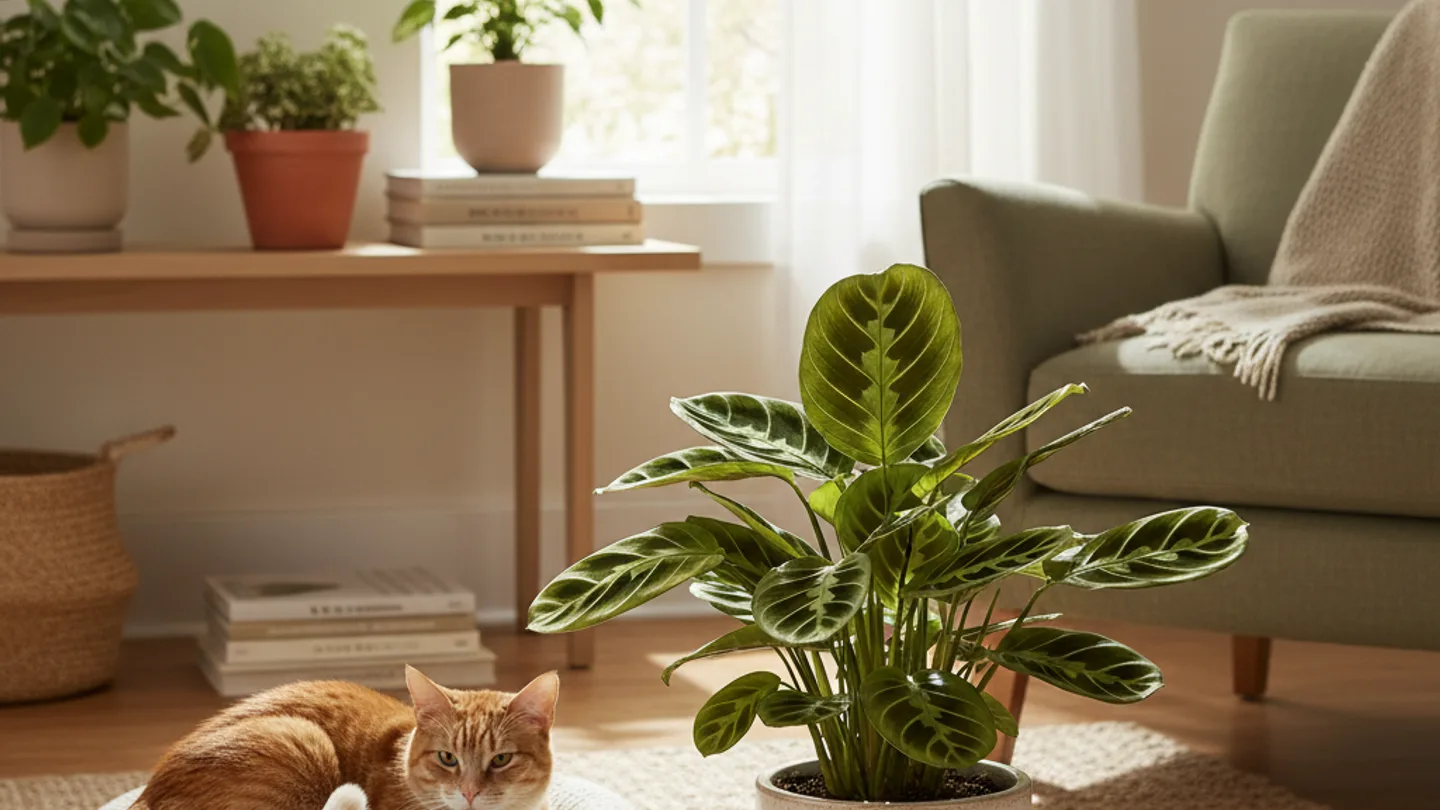
Prayer plants are non-toxic to cats and dogs. If your pet takes a nibble, the ASPCA lists maranta as a safe plant, so you can keep this beauty in your home without worry.
That said, even a non-toxic plant can cause mild stomach upset if your pet eats a lot of it. If your cat or dog shows vomiting, drooling or unusual behavior after chewing any plant, call your vet.
Here is how to keep your prayer plant healthy, why its leaves fold up at night, and how it differs from its lookalike cousin, the calathea.
Prayer plant care at a glance
- Prayer plants (Maranta leuconeura) are non-toxic to cats and dogs.
- Bright, indirect light is best. Direct sun scorches the leaves.
- Keep the soil lightly moist, not soggy, and use filtered or distilled water if your tap water is hard.
- Aim for higher humidity, around 50 percent or more, to prevent brown leaf tips.
- Leaves fold upward at night. This movement is normal and healthy, not a sign of stress.
- Prayer plants and calatheas are related but different plants, with different looks and habits.
Is the prayer plant safe for cats and dogs?
Yes. The prayer plant is non-toxic to cats and dogs. It contains no compounds known to poison pets, which is why it is one of our favorite choices for plant lovers with curious animals.
Non-toxic does not mean a free salad bar. Eating a large amount of any plant material can irritate a pet's stomach, even when the plant itself is safe. Watch for vomiting or diarrhea after a chewing session, and contact your vet if symptoms appear or last more than a day.
If you want to keep leaves out of reach anyway, place your prayer plant on a shelf or in a hanging planter. It trails nicely, so it looks great up high. Curious about a different plant you already own? Check our guide on monstera and pet safety before you bring one home.
Light: bright but indirect
Prayer plants grow on the forest floor in their native Brazil, so they are built for filtered light, not full sun.
Place yours near an east or north facing window, or a few feet back from a bright south or west window. A sheer curtain works well to soften strong afternoon light.
Too much direct sun fades the leaf patterns and can scorch the foliage. Too little light makes the plant leggy and slows its growth. If the leaves lose their bold coloring, move the plant a little closer to the window.
Prayer plants tolerate lower light better than many houseplants, which makes them a good fit for apartments. Just do not park them in a dark corner and expect them to thrive.
Water: lightly moist, never soggy
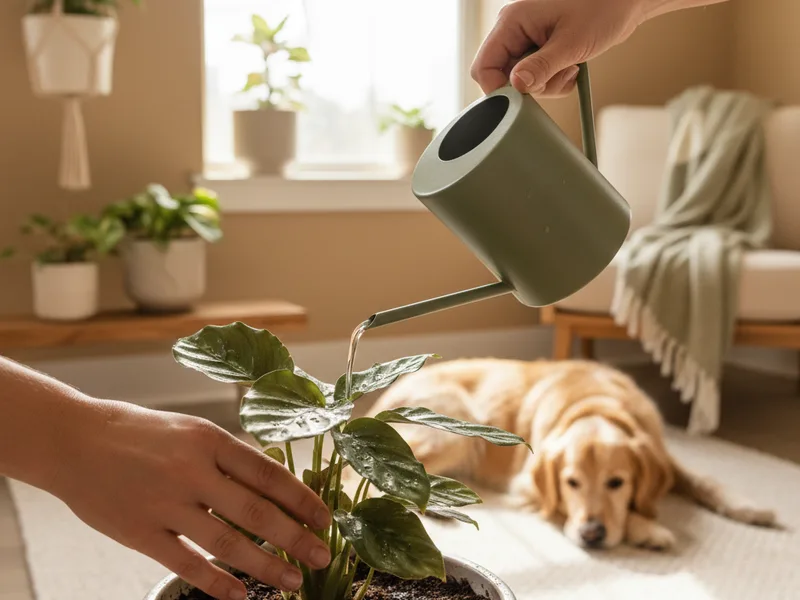
Water your prayer plant when the top inch of soil feels dry to the touch. In most homes that works out to roughly once a week in spring and summer, and less often in fall and winter.
The goal is soil that stays lightly moist. Soggy soil leads to root rot, which shows up as yellowing, wilting leaves. Bone dry soil leads to crispy, curling edges.
Prayer plants can be fussy about water quality. Tap water that is high in minerals or chlorine can cause brown leaf tips over time. If you see this, switch to filtered, distilled or rainwater.
Always empty the saucer or cache pot after watering. Roots that sit in standing water rot fast.
Humidity and temperature
Prayer plants love humidity. Average home humidity often sits around 30 to 40 percent, and prayer plants prefer something closer to 50 percent or more.
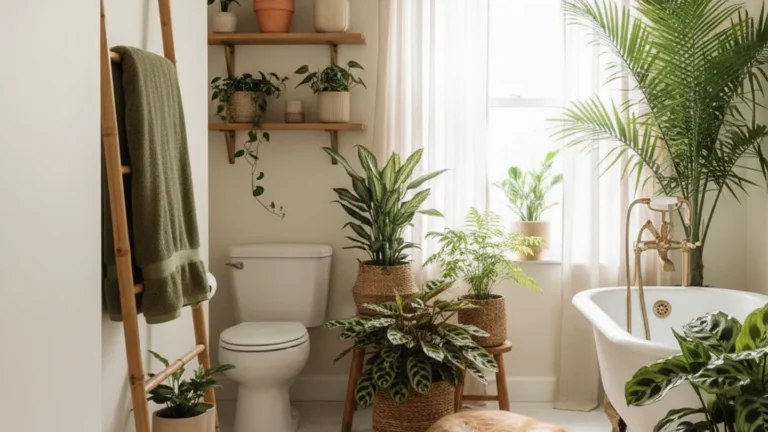
Low humidity shows up as brown, crispy leaf tips. To raise humidity, group plants together, set the pot on a pebble tray with water, or run a small humidifier nearby. Bathrooms with a window are often a natural fit.
Misting gives a short boost but dries off quickly, so do not rely on it as your only fix.
Keep temperatures between about 65 and 80 degrees Fahrenheit. Avoid cold drafts from windows or doors, and keep the plant away from heating vents, which dry the air around it.
Why the leaves fold up at night
The prayer plant gets its name from a daily habit: its leaves lie flat during the day and fold upward at night, like hands in prayer.
This movement has a name, nyctinasty. It simply means the plant moves in response to the day and night cycle. A small joint at the base of each leaf changes position as light levels drop.
You may even hear a soft rustling as the leaves shift in the evening. That is normal.
Folding leaves are a sign of a healthy, responsive plant. If your prayer plant stops moving at all, check its light and water, since a struggling plant sometimes goes still.
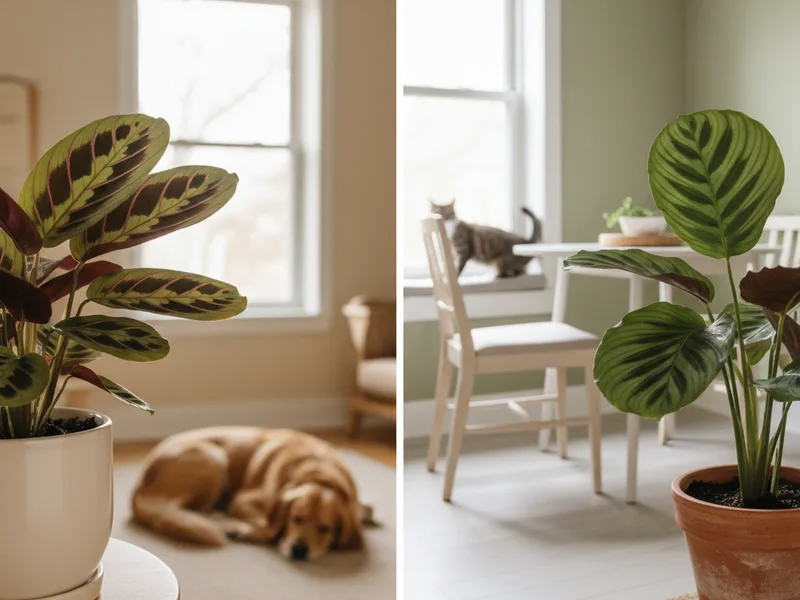
Prayer plant vs. calathea: what is the difference?
Prayer plants and calatheas are often confused, and for good reason. Both belong to the same plant family, the Marantaceae, and both fold their leaves at night.
They are different genera. Prayer plants are Maranta, while calatheas are Calathea, sometimes now reclassified as Goeppertia. The nickname prayer plant often gets used for both, which adds to the confusion.
In practice, maranta tends to be a bit more forgiving for beginners, while many calatheas are pickier about water and humidity. If you are new to this plant family, a maranta is the friendlier starting point.
Good news for pet owners: calatheas are also generally considered non-toxic to cats and dogs, so either one fits a pet-safe home.
| Prayer plant (Maranta) | Calathea |
|---|---|
| Low, trailing growth; great in hanging planters | Upright, clumping growth; better on a table or floor |
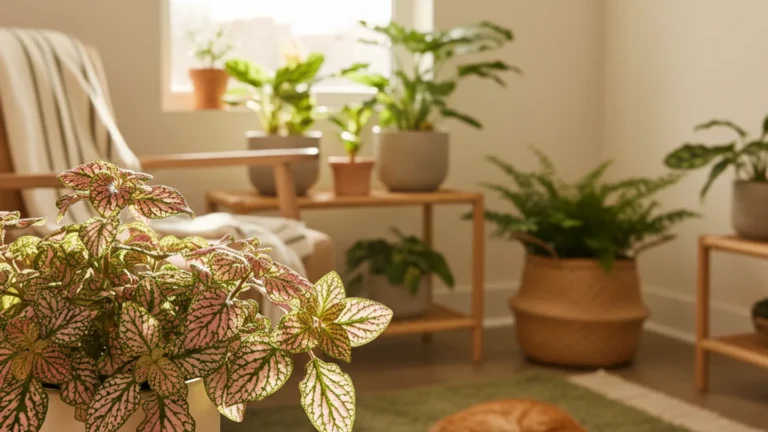
| Patterns often include red veins and herringbone markings | Patterns are often bold stripes, ovals or feathered designs |
| Somewhat forgiving of imperfect care | Often fussier about water and humidity |
| Moves leaves day and night | Moves leaves day and night |
Feeding, soil and repotting
Use a well draining potting mix. A standard houseplant mix with some added perlite or orchid bark works well, since it holds light moisture without staying heavy.
Feed with a balanced liquid houseplant fertilizer, diluted to half strength, about once a month in spring and summer. Skip feeding in fall and winter when growth slows.
Repot every year or two, or when roots fill the pot and start circling the bottom. Go up only one pot size, since an oversized pot holds too much wet soil around the roots.
Common problems and quick fixes
Brown, crispy leaf tips usually mean low humidity or minerals in your water. Raise humidity and switch to filtered or distilled water.
Yellow leaves often point to overwatering. Let the top inch of soil dry before watering again, and make sure the pot drains freely.
Curling leaves can mean the plant is thirsty, too cold or getting hit with harsh light. Check all three and adjust.
Faded color or leggy stems mean the plant needs more light. Move it closer to a bright window, out of direct sun.
Prayer plant questions, answered
Is the prayer plant toxic to cats or dogs?
No. Prayer plants are non-toxic to cats and dogs. Eating a large amount can still cause mild stomach upset, so call your vet if your pet shows vomiting or other symptoms after chewing the leaves.
How often should I water my prayer plant?
Water when the top inch of soil feels dry, which is often about once a week in spring and summer and less in fall and winter. Keep the soil lightly moist, never soggy.
Why does my prayer plant have brown tips?
The most common causes are low humidity and minerals or chlorine in tap water. Raise the humidity around the plant and try filtered or distilled water.
Do prayer plants need direct sunlight?
No. They prefer bright, indirect light. Direct sun can scorch the leaves and fade their patterns, while very low light makes growth slow and leggy.
Is a calathea the same as a prayer plant?
No. Both belong to the Marantaceae family and both fold their leaves at night, but prayer plants are Maranta and calatheas are Calathea. Marantas tend to trail and are usually easier for beginners.
Why do prayer plant leaves move?
The leaves lie flat during the day and fold up at night in response to the light cycle. This daily movement is called nyctinasty and it is a normal, healthy habit.