Parlor Palm Care: The Easiest Pet-Safe Palm
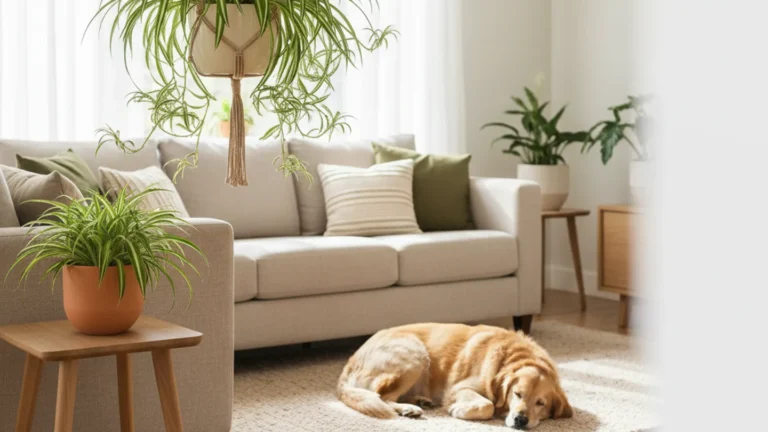
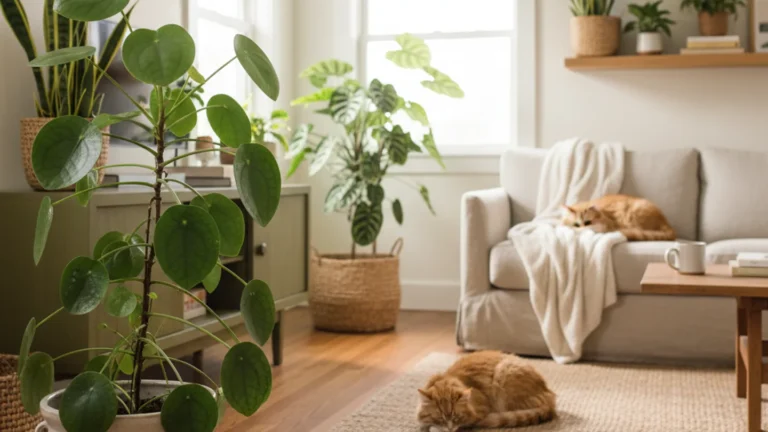
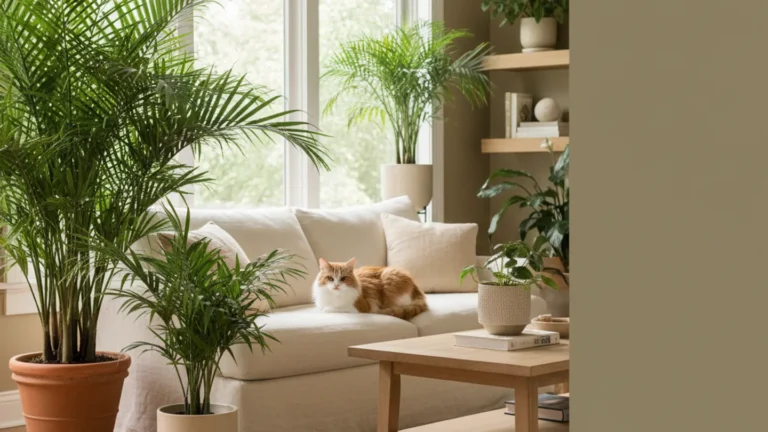
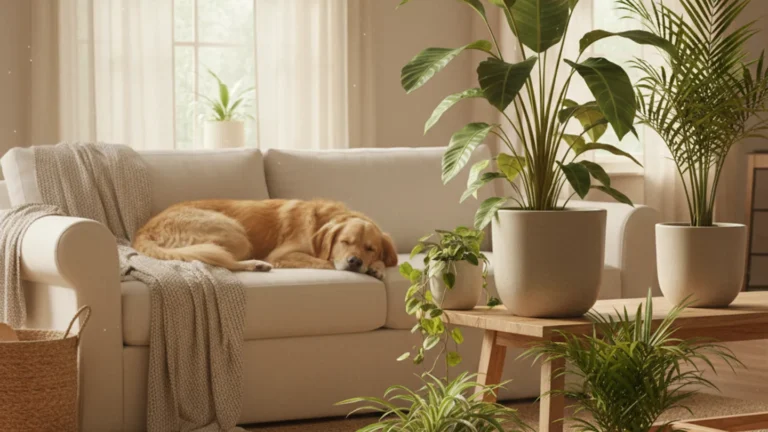
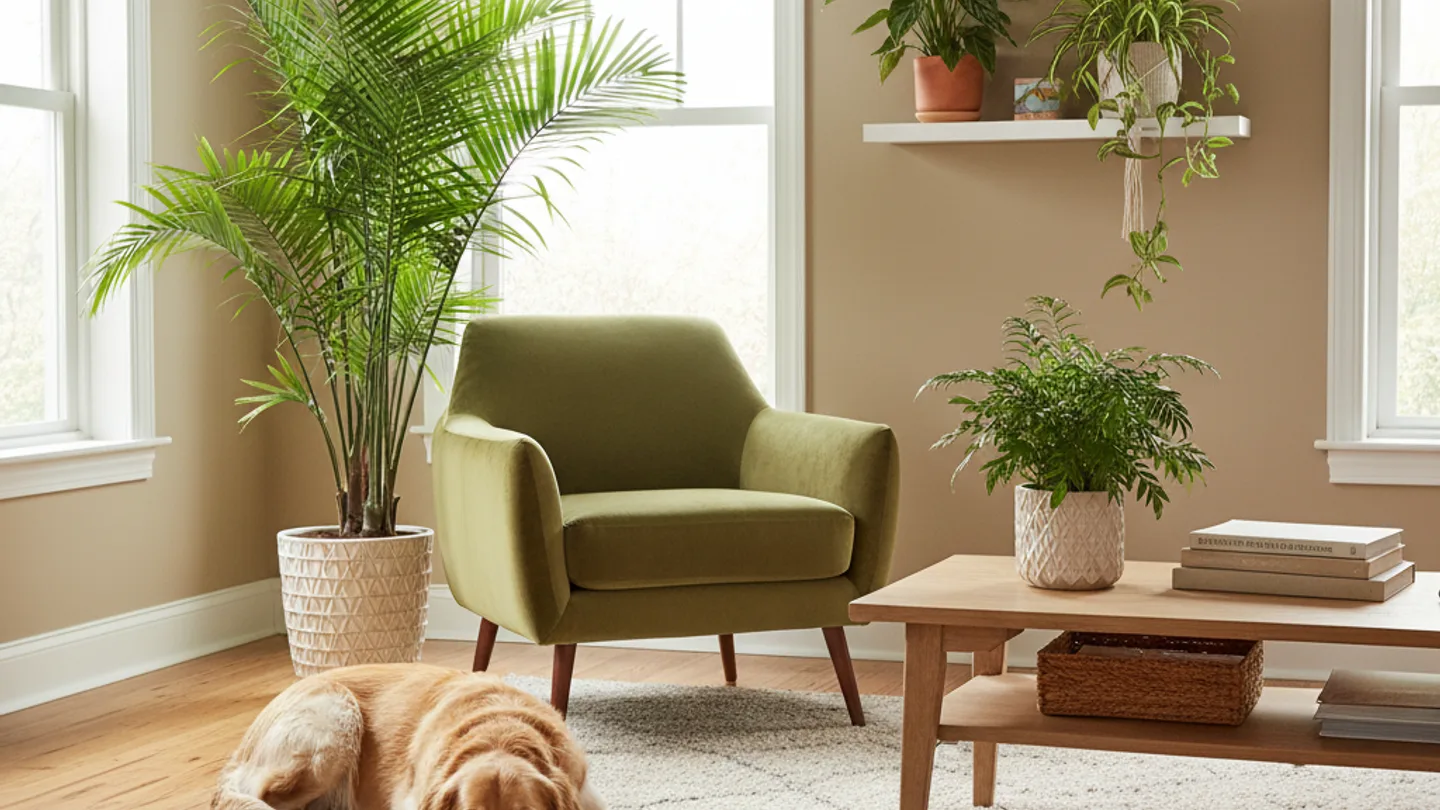
Parlor palms are generally considered non-toxic to both cats and dogs. That makes them one of the easiest palms you can keep in a home with pets.
They also tolerate the low to medium light of a real apartment, grow slowly, and forgive the occasional missed watering. If you want greenery in a darker room without worrying about your pets, this is your palm.
Here is everything you need for parlor palm care, from light and water to what slow growth actually looks like.
Parlor palm care at a glance
- Parlor palms are generally considered non-toxic to cats and dogs.
- They thrive in low to medium indirect light, perfect for darker apartments.
- Water when the top inch of soil feels dry. Do not let the pot sit in water.
- Growth is slow, often just a few inches a year. A small plant stays small for a long time.
- Brown tips usually mean dry air or inconsistent watering, not a dying plant.
Is the parlor palm safe for cats and dogs?
Yes. The parlor palm (Chamaedorea elegans) is generally considered non-toxic to cats and dogs. If your pet nibbles a frond, you do not need to panic.
That said, no plant is completely harmless to chew on. Eating any plant material can cause mild stomach upset, like a little vomiting or loose stool. Cats that chew plants out of habit may also damage the palm itself.
If your pet eats a large amount or shows symptoms that worry you, call your vet. For most households, though, this is one of the safest statement plants you can buy. Unlike a monstera, which is toxic to both cats and dogs, the parlor palm gives you a similar lush look without the risk.
Light: built for darker apartments
Parlor palms evolved on the forest floor in Mexico and Central America, growing in the shade of taller trees. That history is why they handle low light so well.
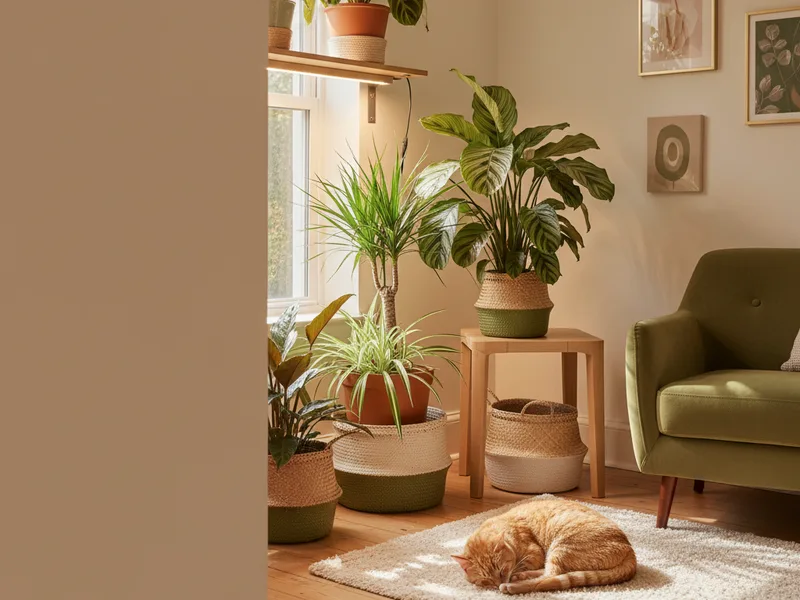
In practice, they do best in medium indirect light, a few feet back from a window. But they tolerate genuinely dim spots where most houseplants would stall. A north-facing room, a hallway, or a corner across from a window all work.
One thing to avoid: harsh direct sun. Strong afternoon light through a south-facing window can scorch the leaves and leave pale, bleached patches. Sheer curtains or a spot a few feet back from the glass solve this.
If you have been told your apartment is too dark for plants, the parlor palm is the plant that proves that wrong.
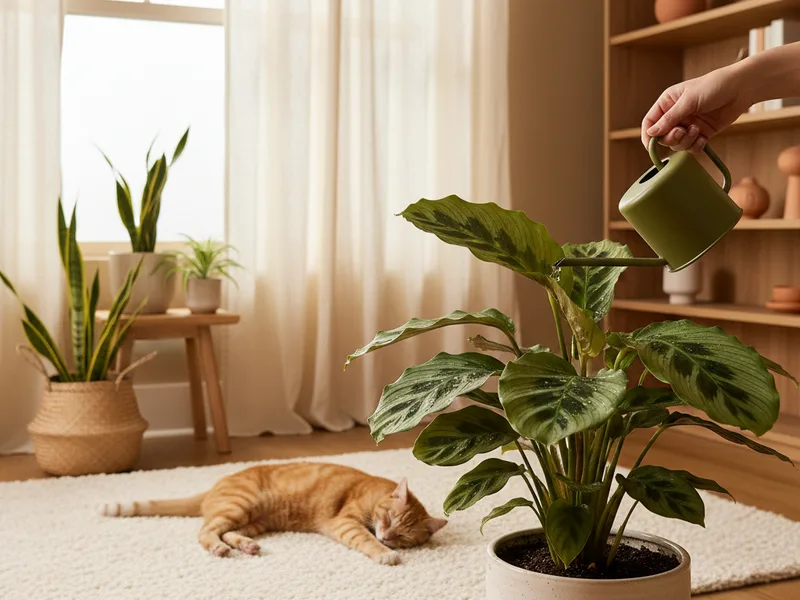
Watering: less is more
The most common way to kill a parlor palm is too much love, meaning too much water. These palms like their soil to dry out slightly between waterings.
A simple routine: stick your finger into the soil. If the top inch feels dry, water thoroughly until it drains from the bottom. If it still feels moist, wait a few more days. In most homes this means watering every one to two weeks, less often in winter.
Always empty the saucer after watering. Roots sitting in water rot, and root rot is the fastest way to lose this plant.
Yellowing leaves often signal overwatering. Brown, crispy tips usually mean the air is dry or watering has been inconsistent. The palm also dislikes fluoride and salts in tap water, so if tips keep browning, try filtered or distilled water.
A simple parlor palm care routine
Pick the spot
Choose low to medium indirect light, away from harsh direct sun and cold drafts. A few feet from a window or a bright corner of a darker room works well.
Check the soil weekly
Press a finger into the top inch. Dry means water, moist means wait. Expect to water every one to two weeks in most homes, less in winter.
Water and drain
Water until it runs out of the drainage holes, then empty the saucer. Never let the pot stand in water.
Dust the fronds
Wipe the leaves with a damp cloth now and then. Clean fronds absorb more light, which matters in a dim apartment.
Be patient
Expect slow, steady growth. A parlor palm may add only a few inches a year. That is normal, not a sign of a problem.
Slow growth: what to expect
Parlor palms grow slowly, especially in lower light. Indoors, they often add just a few inches per year and commonly top out around two to four feet after many years.
This is good news for small spaces. The plant you bring home stays roughly the size you bought for a long time, so it will not outgrow your shelf or corner anytime soon. It also means you rarely need to repot. Every two to three years, or when roots fill the pot, is plenty.
Feed lightly. A diluted houseplant fertilizer once a month in spring and summer is enough. Skip feeding in fall and winter when growth pauses.
Why it works
- Generally considered non-toxic to cats and dogs
- Tolerates low to medium light, ideal for darker apartments
- Slow growing, so it stays compact for years
- Needs watering only every one to two weeks
- Lush, full look without the risk of a monstera
What to watch
- Root rot if overwatered or left in a wet saucer
- Brown tips from dry air or minerals in tap water
- Slow growth can disappoint if you want quick results
- Chewing pets can still damage the fronds
- Direct sun can scorch the leaves
Common questions about parlor palms
Is the parlor palm toxic to cats or dogs?
No. It is generally considered non-toxic to both cats and dogs. Nibbling a frond may still cause mild stomach upset, so call your vet if your pet eats a lot or seems unwell.
Can a parlor palm survive in a room with no windows?
It tolerates very low light, but no plant thrives with zero natural light. A room with some ambient daylight or a grow light for a few hours a day will keep it healthy.
How often should I water my parlor palm?
Usually every one to two weeks, when the top inch of soil is dry. Water less in winter. Empty the saucer so the roots never sit in water.
Why are the leaf tips turning brown?
Brown tips usually come from dry air, inconsistent watering, or minerals in tap water. Try watering more evenly, raising humidity slightly, or switching to filtered water.
How big does a parlor palm get indoors?
Slowly, it can reach two to four feet over many years. Most stay compact for a long time, which makes them great for shelves and corners.