Cast Iron Plant Care: Nearly Unkillable and Pet-Safe
Cast iron plants are non-toxic to cats and dogs. That is the short answer, and it is a big reason this plant is such a good fit for pet owners.
Aspidistra elatior earned its nickname by surviving almost anything: dark corners, missed waterings, dry air and low light. If you have a busy schedule, a shady apartment and a curious cat, this is one of the safest and easiest plants you can bring home.
This guide covers cast iron plant care in real homes: light, water, soil, growth and what to expect as a pet owner.
Cast iron plant care at a glance
- Cast iron plants are generally considered non-toxic to cats and dogs.
- They tolerate deep shade better than almost any other houseplant.
- Water only when the top few inches of soil feel dry. Overwatering is the main way to harm them.
- Growth is slow and steady, so do not expect fast changes.
- They suit busy owners, dark rooms and homes with pets.
- If your pet chews a leaf and shows symptoms, contact your vet.
Is the cast iron plant safe for cats and dogs?
Yes. The cast iron plant is generally considered non-toxic to cats and dogs. It does not contain the compounds that make plants like Monstera a problem for pets.
That said, no plant is a chew toy. Eating a large amount of any leaf can still cause mild stomach upset, like vomiting or loose stools. If your pet eats part of a plant and seems unwell, call your vet.
For most homes, the cast iron plant is about as low-risk as a leafy houseplant gets.
Why it is called the cast iron plant
The name comes from Victorian England. Homes were lit by gas lamps and coal fires, and the air and light were rough on plants. The cast iron plant kept going where others gave up.
The same toughness applies today. It handles low light, irregular watering, temperature swings and general neglect better than almost any houseplant on the market.
The trade-off is speed. Cast iron plants grow slowly, putting out a few new leaves at a time. What you buy is close to what you will have for a while, so choose a size you like.
Light: the deep shade specialist
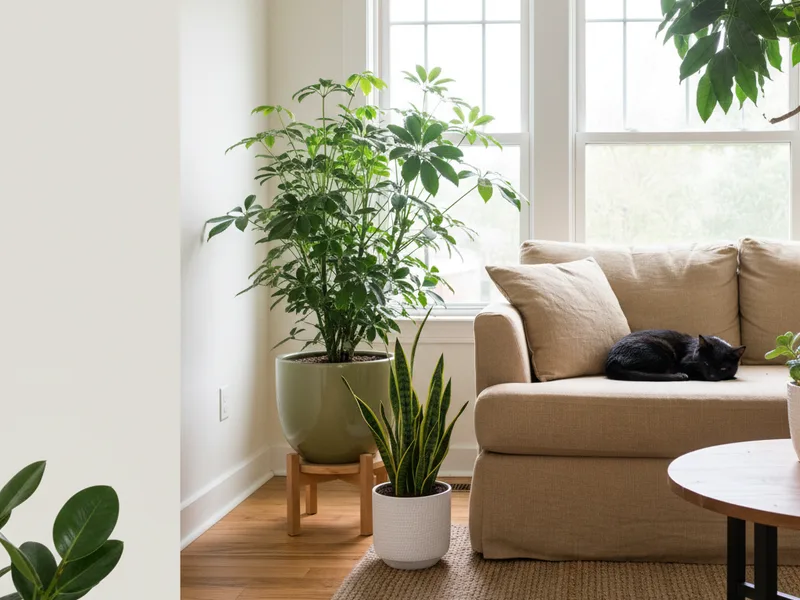
This is the plant for the corner nothing else survives in. Cast iron plants tolerate deep shade, north-facing rooms and spots far from windows.
They also do fine in medium, indirect light and will grow a bit faster there. What they do not like is harsh direct sun, which can scorch and bleach the leaves.
If your room is bright enough to read in during the day, a cast iron plant can live there. If it is dimmer than that, it will probably still cope, just with slower growth.
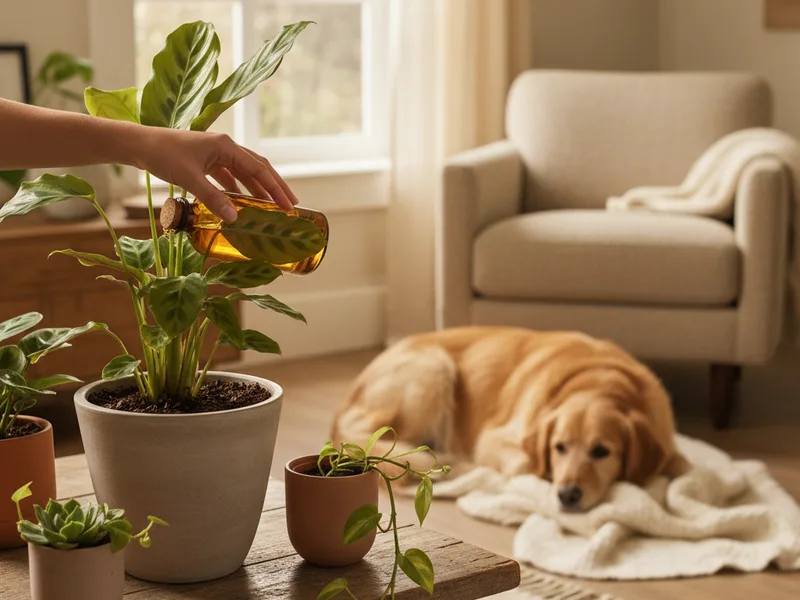
Watering: less is more
The most common way to hurt a cast iron plant is to love it too much. Overwatering leads to root rot, which is one of the few things that can actually kill it.
Let the top few inches of soil dry out before watering again. In most homes that means watering every two to three weeks, and even less in winter or in very low light.
When you do water, water thoroughly and let the excess drain away. Never let the pot sit in standing water.
Soil, pot and feeding
Cast iron plants are not fussy. Any standard, well-draining potting mix works. A pot with drainage holes is more important than the exact soil blend.
Feed lightly during spring and summer, about once a month with a diluted general houseplant fertilizer. Skip feeding in fall and winter when growth slows.
Repot only when the roots clearly fill the pot, which may take years. They prefer being slightly snug and dislike frequent disturbance.
Common problems and easy fixes
Brown leaf tips usually point to dry air or a build-up of salts from tap water. Trim the brown edges with clean scissors and try filtered or distilled water if it keeps happening.
Yellow leaves often mean too much water. Check the soil, let it dry out and cut back on your watering schedule.
Scorched or bleached patches mean the plant is getting direct sun. Move it a few feet back from the window.
Beyond that, this plant rarely complains. Wipe the leaves now and then to remove dust, and it will take care of the rest.
A good match for busy owners and dark rooms
Cast iron plant care fits real life. You can travel for a week and come home to a plant that looks the same. You can put it in a hallway, bathroom or bedroom corner where other plants would struggle.
For pet owners, it removes the hardest part of the decision. There is no toxic compound to worry about, no need to hang it out of reach and no vet anxiety when a cat takes a nibble.
If you want more greenery around pets, it is also worth checking other common plants before you buy, like cyclamen or lavender, which need more caution.
Cast iron plant care FAQ
Is the cast iron plant toxic to cats or dogs?
No. It is generally considered non-toxic to both cats and dogs. Eating a lot of any plant material can still cause mild stomach upset, so contact your vet if your pet shows symptoms after chewing on it.
How often should I water a cast iron plant?
Only when the top few inches of soil feel dry. In most homes that works out to every two to three weeks, less often in winter or in very low light.
Can a cast iron plant live in a room with no windows?
It tolerates very low light better than almost any houseplant, but it still needs some light to stay healthy long term. A spot that gets ambient light from a nearby room or occasional lamp light is usually enough.
Why is my cast iron plant growing so slowly?
Slow growth is normal. These plants put out just a few new leaves at a time, especially in low light. Steady, healthy leaves are a sign all is well.
Why are the leaf tips turning brown?
Brown tips usually come from dry air or minerals in tap water. Trim the tips with clean scissors and try filtered or distilled water if it continues.
How big does a cast iron plant get?
Indoors, most reach about two to three feet tall and wide over many years. Growth is slow, so the size you buy is close to what you will have for some time.