Kentia Palm Care: The Elegant, Pet-Safe Palm for Living Rooms
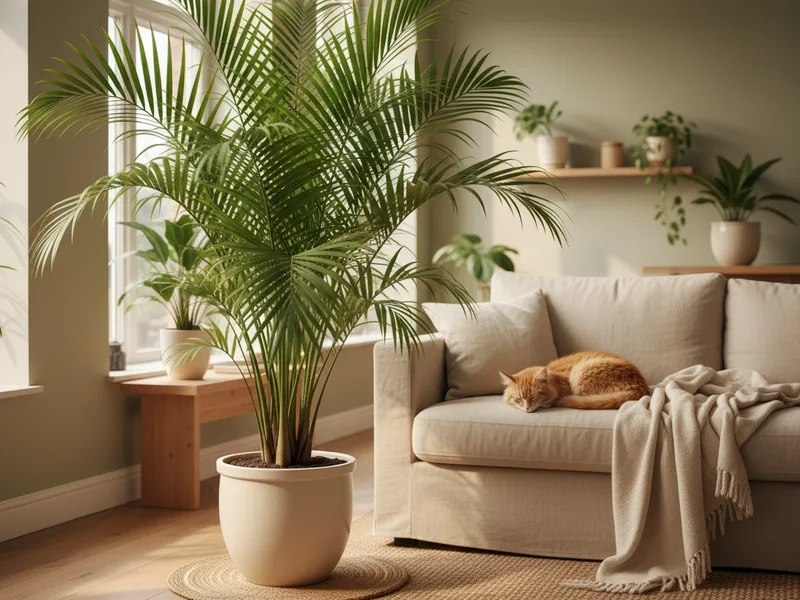
Kentia palms are non-toxic to cats and dogs. The ASPCA lists them as safe for both, so you can enjoy those graceful, arching fronds without worrying about a curious nibble.
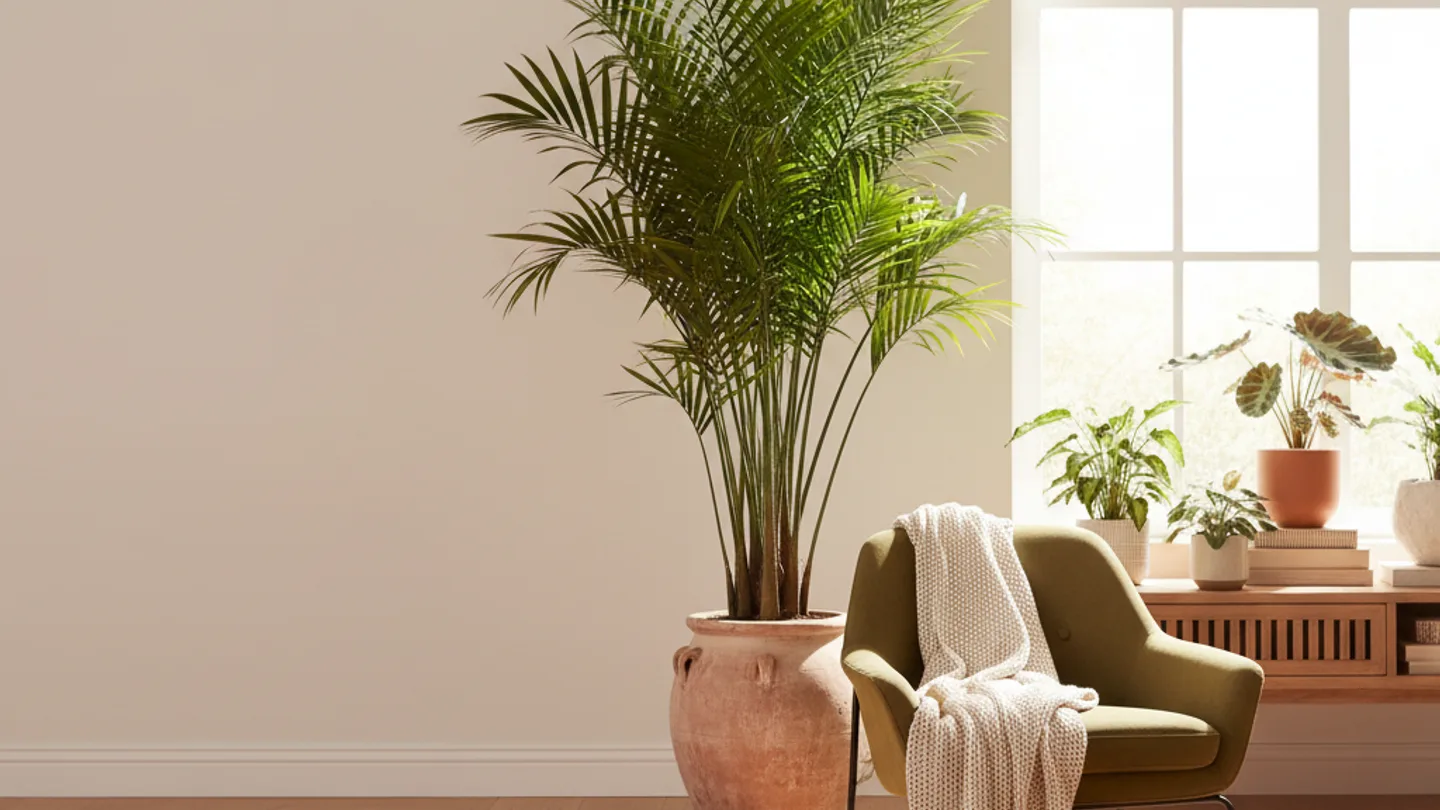
That makes the kentia palm one of the best statement palms for pet owners. It is tall, elegant and forgiving, and it tolerates the kind of lower light most living rooms actually have.
This guide covers kentia palm care in plain terms: light, water, feeding and what to expect from its famously slow growth. If you want one safe, premium palm to anchor a room, this is it.
Kentia palm care at a glance
- Kentia palms are generally considered non-toxic to cats and dogs, so they are a safe pick for pet households.
- They tolerate lower light better than most palms, though bright, indirect light is ideal.
- Water carefully: let the top of the soil dry out before watering again. Overwatering is the main killer.
- Growth is slow, which is why larger plants cost more. You are paying for years of nursery time.
- If your pet chews a frond and shows symptoms like vomiting or drooling, call your vet. Even non-toxic plants can upset a stomach.
Is the kentia palm safe for cats and dogs?
Yes. The kentia palm (Howea forsteriana) is generally considered non-toxic to both cats and dogs. It contains no compounds known to poison pets, so a chewed frond is a mess, not an emergency.
Non-toxic does not mean completely harmless. Any plant material can cause mild stomach upset if your pet eats a lot of it. Think of it like grass: fine in small amounts, uncomfortable in large ones.
If your cat or dog eats part of your palm and then vomits, drools or seems off, contact your vet. That advice holds for every plant, safe or not.
Want a contrast? Our guide to Monstera toxicity shows what a genuinely toxic statement plant looks like, and why the kentia is the calmer choice.
Light: the lower light palm that still earns its spot
Most palms demand bright light and sulk without it. The kentia is the exception. It evolved in the understory of Lord Howe Island, so it is built for shade.
In practice, it does well a few feet back from an east or north window, or in a bright room without direct sun on the fronds. It will also cope with genuinely dim corners, though it will grow even more slowly there.
Avoid harsh afternoon sun through a south or west window. Direct rays can scorch the fronds and leave brown patches that never recover.
A simple test: if you can read a book comfortably in the spot during the day, a kentia can live there.
Watering: careful beats generous
Overwatering is the number one reason kentia palms decline indoors. The roots dislike sitting in wet soil, and root rot is hard to reverse.
Water only when the top two inches of soil feel dry. In most homes that means roughly every one to two weeks in spring and summer, and less often in winter.
When you do water, water thoroughly until it runs from the drainage holes, then empty the saucer. Never let the pot stand in water.
Yellowing fronds often signal too much water rather than too little. Before reaching for the watering can, check the soil first.
Use a pot with drainage holes. It is the single easiest way to protect your palm from your own enthusiasm.
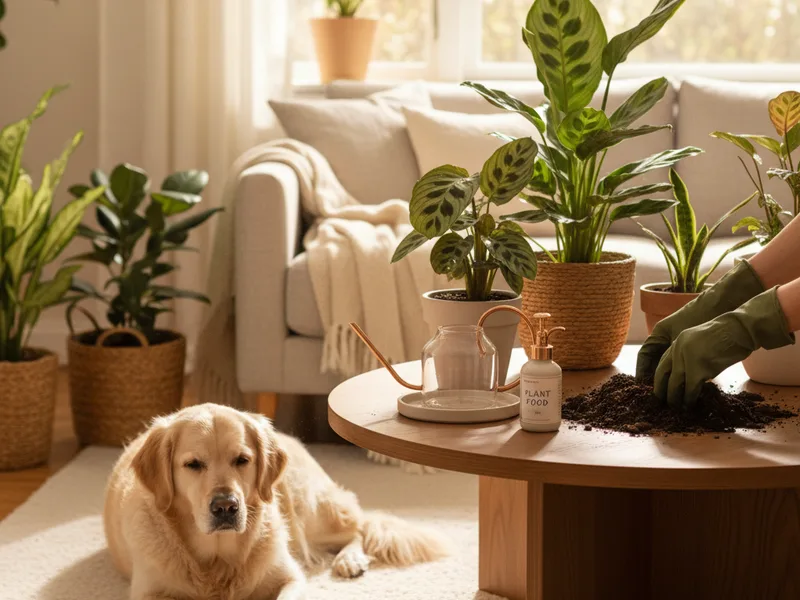
Soil, feeding and humidity
Plant your kentia in a free-draining potting mix. A standard houseplant mix with some added perlite or bark works well.
Feed lightly during spring and summer with a diluted liquid houseplant fertilizer, about once a month. Skip feeding in fall and winter when growth pauses.
Kentias tolerate average household humidity, which is part of their appeal in real apartments. If your air is very dry in winter, brown tips can appear. An occasional misting or a spot away from radiators helps.
Dust the fronds now and then with a damp cloth. Clean leaves photosynthesize better, and the deep green shine is half the reason you bought it.
Slow growth, and why it is worth the price
Kentia palms grow slowly, often just one or two new fronds a year indoors. That is normal, not a sign of poor care.
The slow pace explains the price tag. A six-foot kentia has spent many years in a nursery before it reaches your living room, and you are paying for that time.
The upside: it will not outgrow your space quickly, it rarely needs repotting, and it keeps its elegant shape without pruning. Buy the size you want and enjoy it as is.
Repot only every two to three years, when roots fill the pot. Kentias actually prefer being slightly snug.
Why pet owners love it
- Non-toxic to cats and dogs, so it fits pet households without compromise
- Tolerates lower light better than almost any other large palm
- Elegant, arching fronds that work as a statement piece
- Handles average household humidity and normal indoor temperatures
- Slow growth means it keeps its shape and rarely needs repotting
What to keep in mind
- Larger plants are expensive because of years of nursery growth
- Overwatering causes root rot, so restraint matters
- Brown leaf tips can appear in very dry air
- Very slow growth if you want a plant that fills out quickly
- Direct sun can scorch the fronds
Kentia palm questions
Is the kentia palm toxic to cats or dogs?
No. The kentia palm is generally considered non-toxic to both cats and dogs. A chewed frond may cause mild stomach upset, like any plant material, but it is not poisonous. Call your vet if symptoms appear.
How much light does a kentia palm need?
Bright, indirect light is ideal, but kentias tolerate lower light better than most palms. Keep them out of harsh direct sun, which can scorch the fronds.
How often should I water my kentia palm?
Water when the top two inches of soil are dry, usually every one to two weeks in the growing season and less in winter. Always let excess water drain away.
Why is my kentia palm growing so slowly?
That is normal. Kentias are slow growers, often producing just one or two new fronds a year indoors. It is a feature, not a flaw: the plant keeps its shape for years.
Why are the leaf tips turning brown?
Brown tips usually point to dry air, inconsistent watering or a spot near a heat source. Trim the tips with clean scissors and adjust the conditions.
Is the kentia palm worth the higher price?
For most pet owners, yes. You get a large, elegant palm that is safe around cats and dogs, tolerates real living room light and asks for little beyond careful watering.