Haworthia Care: The Pet-Safe Succulent That Looks Like Aloe
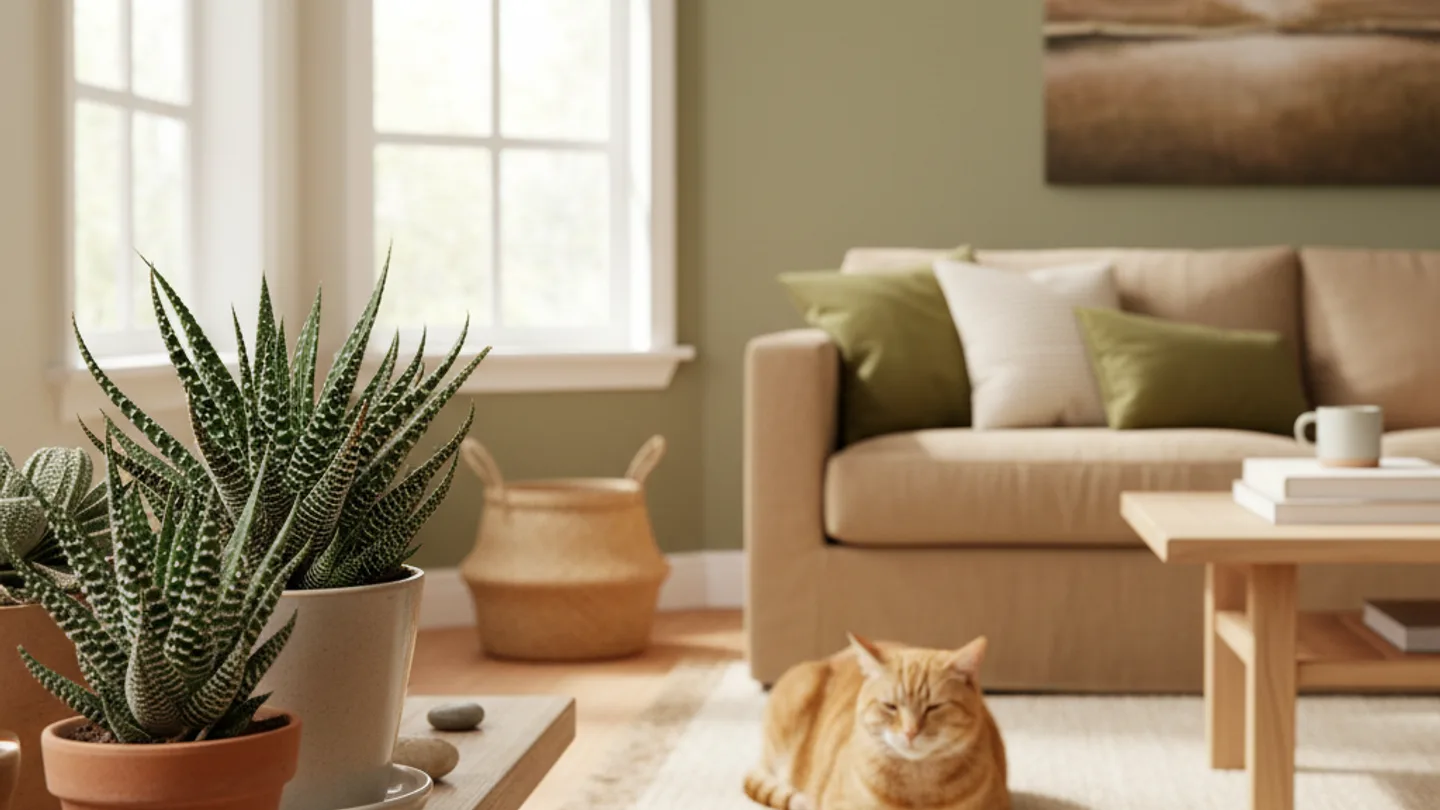
Haworthia is generally considered non-toxic to cats and dogs. If you love the striped, spiky look of aloe but worry about your pets, this is the plant for you.
Aloe vera is toxic to cats and dogs, so it is off the table for many pet owners. Haworthia gives you a nearly identical look with none of that worry. It stays small, asks for little water, and fits on almost any windowsill.
Here is how to keep a haworthia happy in a real apartment or house, plus what to know about pets and this plant.
Haworthia at a Glance
- Haworthia is generally considered non-toxic to cats and dogs, making it a safe swap for aloe.
- It likes bright, indirect light and tolerates some direct morning sun.
- Water sparsely. Let the soil dry out completely between waterings.
- It stays small, usually a few inches tall, so it fits tight windowsills and desks.
- Even non-toxic plants can cause a mild stomach upset if a pet eats a lot, so call your vet if symptoms appear.
Is Haworthia Safe for Cats and Dogs?
Yes. Haworthia is generally considered non-toxic to both cats and dogs. That is the short answer, and it is why this little succulent shows up on so many pet-safe plant lists.
This matters because haworthia looks a lot like aloe vera, and aloe is toxic to cats and dogs. Aloe contains compounds that can cause vomiting, diarrhea, and lethargy if your pet chews on it. Haworthia carries no such known toxins.
A quick note of caution: non-toxic does not mean edible. If your cat or dog eats a large amount of any plant, it can still get an upset stomach. If you notice vomiting, diarrhea, or unusual behavior after chewing, contact your vet.
| Feature | Haworthia | Aloe Vera |
|---|---|---|
| Toxic to cats and dogs | No, generally considered non-toxic | Yes, toxic to both |
| Look | Small rosettes, often striped or dotted | Larger rosettes, thick fleshy leaves |
| Typical size | 3 to 5 inches tall | 1 to 2 feet or more |
| Light needs | Bright indirect light, some morning sun | Bright light, tolerates more direct sun |
| Water needs | Sparse, let soil dry out fully | Sparse, let soil dry out fully |
| Best spot | Windowsills, desks, shelves | Bright floor or table spots, out of pet reach |
Light: Bright, but Not Blasting
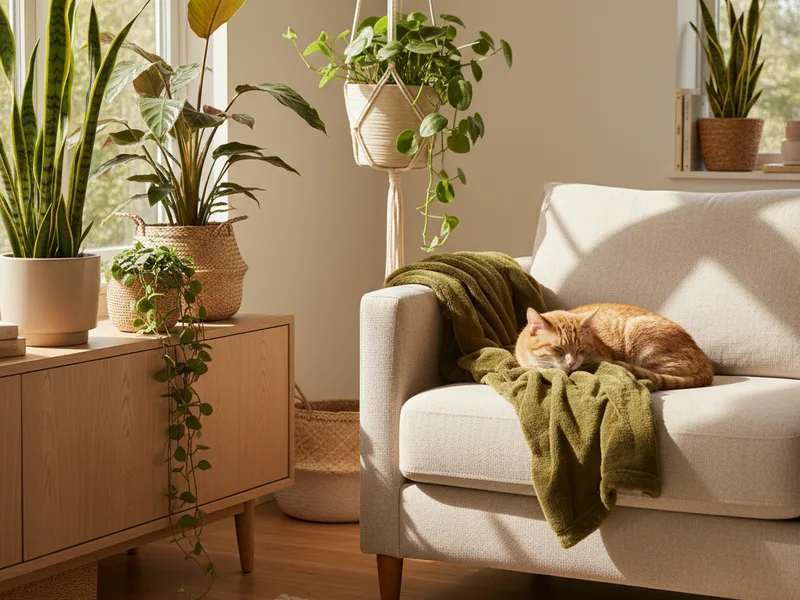
Haworthia does best in bright, indirect light. An east or west-facing windowsill is ideal. It can handle a few hours of gentle morning sun.
In many apartments, a south-facing window works too, as long as the plant sits a foot or two back from the glass or behind a sheer curtain. Harsh midday sun can scorch the leaves and turn them brown or red.
Lower light is tolerated better than by most succulents. The plant will grow more slowly and its stripes may fade a bit, but it will survive. That makes haworthia a realistic pick for homes without perfect sun.
Water: Less Is More
The most common way to kill a haworthia is overwatering. These succulents store water in their leaves and want their soil to dry out completely between waterings.
In most homes, watering every two to three weeks in spring and summer is plenty. In fall and winter, stretch that to once a month or even less. Always check the soil first: if it is still damp an inch down, wait.
Water at the base of the plant and let excess drain away. Never let the pot sit in standing water. Mushy, translucent leaves mean too much water. Wrinkled, thin leaves mean it is thirsty.
Soil, Pot and Placement
Use a gritty, fast-draining cactus or succulent mix. Regular potting soil holds too much moisture around the roots.
A small terracotta pot with a drainage hole is a great match. Terracotta breathes, which helps the soil dry out between waterings.
Haworthia stays tiny, usually three to five inches tall, so it fits where bigger plants cannot: narrow windowsills, bookshelves, desks and bathroom ledges. It is a good choice if you want greenery without giving up floor space. And because it is pet-safe, you do not need to hide it out of paw's reach, unlike a monstera.
Haworthia Care in Five Steps
Pick a bright spot
Choose an east or west-facing windowsill, or a spot near a south-facing window with filtered light.
Plant in gritty soil
Use a cactus or succulent mix in a small pot with a drainage hole. Terracotta works well.
Water only when dry
Wait until the soil is completely dry, then water deeply and let it drain. Every two to three weeks in summer is a good starting point.
Cut back in winter
Reduce watering to about once a month when growth slows in fall and winter.
Watch the leaves
Mushy leaves mean too much water. Wrinkled leaves mean too little. Adjust your schedule based on what you see.
Haworthia Questions Pet Owners Ask
Is haworthia toxic to cats or dogs?
No. Haworthia is generally considered non-toxic to both cats and dogs. That said, eating a large amount of any plant can cause mild stomach upset, so contact your vet if your pet shows symptoms like vomiting or diarrhea.
My pet chewed my haworthia. What should I do?
Stay calm. Haworthia has no known toxins for cats or dogs. Remove any plant pieces, offer fresh water, and watch your pet for the next day. If vomiting, diarrhea, or lethargy appear, call your vet.
Is haworthia the same as aloe?
No. They look similar, but they are different plants. Aloe vera is toxic to cats and dogs. Haworthia is generally considered non-toxic, which is why it is the go-to aloe lookalike for pet owners.
How often should I water a haworthia?
Only when the soil has dried out completely. For most homes that means every two to three weeks in spring and summer, and about once a month in fall and winter.
Can haworthia survive in low light?
It tolerates lower light better than most succulents, but it grows best in bright, indirect light. In dim spots it grows slowly and may lose some of its striping.
How big does a haworthia get?
Most stay between three and five inches tall. They grow slowly, so they keep their small footprint for years, which is perfect for windowsills and small spaces.
More Pet-Safe Plant Answers
Every guide on Pawproof Plants leads with the verdict: is it toxic to cats, dogs, or both. Browse the blog for more clear answers and safe swaps.