Pet-Safe Plants That Love Bright, Sunny Windows
Good news first: a sunny window and a curious pet can live together happily. There are plenty of pet safe plants for sunny windows that love the same bright, warm spots your cat likes to nap in.
Every plant on this list is generally considered non-toxic to cats and dogs, based on the ASPCA's toxic plant database. That means no panic if a leaf gets chewed. We still recommend keeping plants out of easy reach, because any greenery can cause an upset stomach if your pet eats a lot of it.
For each pick you get sun tolerance notes, a scorch warning where it matters, and a quick care tip for real apartments and houses. No greenhouse conditions required.
The quick answer
- All 8 plants on this list are generally considered non-toxic to both cats and dogs.
- South-facing and west-facing windows give the strongest light. East-facing is gentler morning sun.
- Even sun-loving plants can scorch. Watch for bleached or brown, crispy patches on leaves.
- Direct sun through glass is stronger than outdoor sun. Acclimate plants slowly over one to two weeks.
- Non-toxic does not mean a snack. Eating large amounts of any plant can cause vomiting or diarrhea, so call your vet if symptoms appear.
What counts as a sunny window
In the US, a south-facing window gets the most hours of direct sun. West-facing windows get hot afternoon light. East-facing windows give softer morning sun, which suits more sensitive plants.
Glass changes things. A south-facing sill in July can act like a magnifying glass, and leaves pressed against the pane can burn. In winter, that same spot can get cold drafts at night.
A simple test: if the light on your sill is strong enough to cast a sharp shadow for several hours a day, treat it as direct sun. If the shadow is soft and blurry, it is bright indirect light.
The 8 pet-safe picks for sunny spots
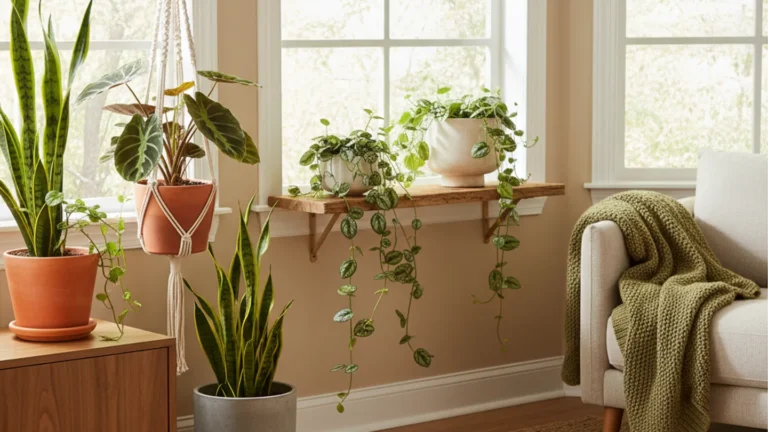
1. Haworthia. A small, striped succulent that handles direct sun on a south-facing sill. Water every two to three weeks. Scorch warning: after a winter indoors, sudden full sun can bleach the leaves, so move it up gradually.
2. Echeveria. Rosette-shaped and made for sunrooms. Needs at least four to six hours of direct light to keep its compact shape. Scorch warning: leaves can develop brown, crispy patches in intense afternoon sun through glass. Sheer curtains fix this.
3. Spider plant. The classic beginner plant, and fully pet-safe. It tolerates direct morning sun but prefers bright indirect light. Cats love to bat at the dangling baby plants, which is harmless but messy. Scorch warning: harsh midday sun causes brown leaf tips.
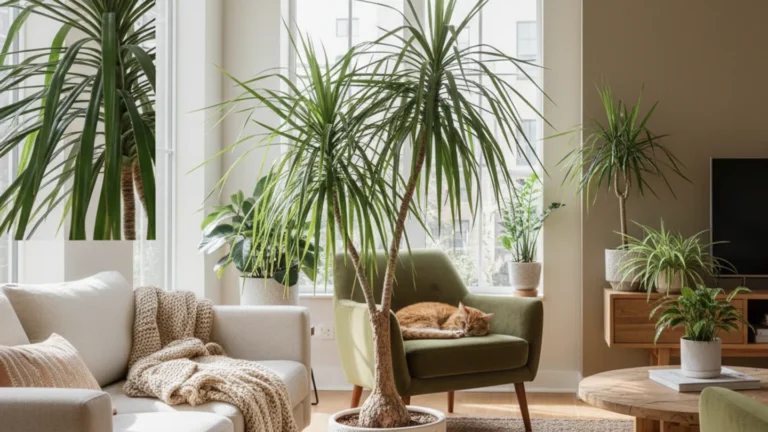
4. Ponytail palm. Not a true palm, and not a grass, but a sun-loving, pet-safe statement plant. Stores water in its swollen trunk base, so it forgives missed waterings. Give it the brightest spot you have.
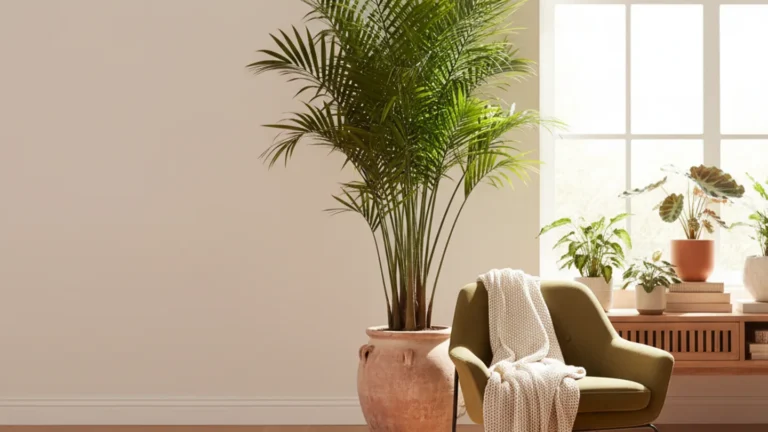
5. Parlor palm. A softer look for an east-facing window. It takes gentle direct morning sun but scorches in hot afternoon light. Brown patches on the fronds are your cue to move it back a foot.
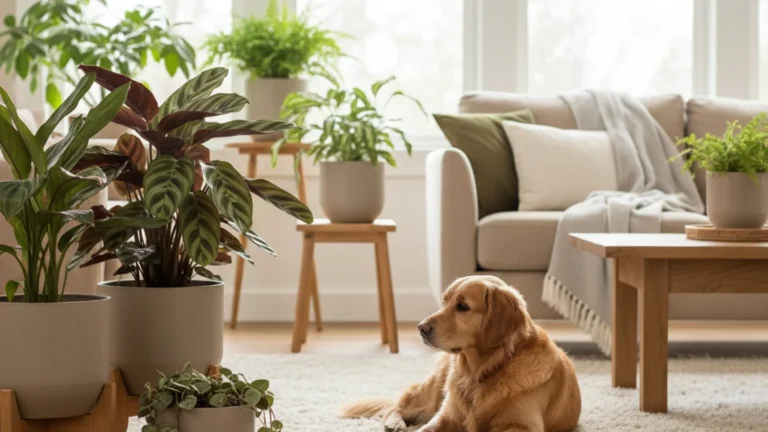
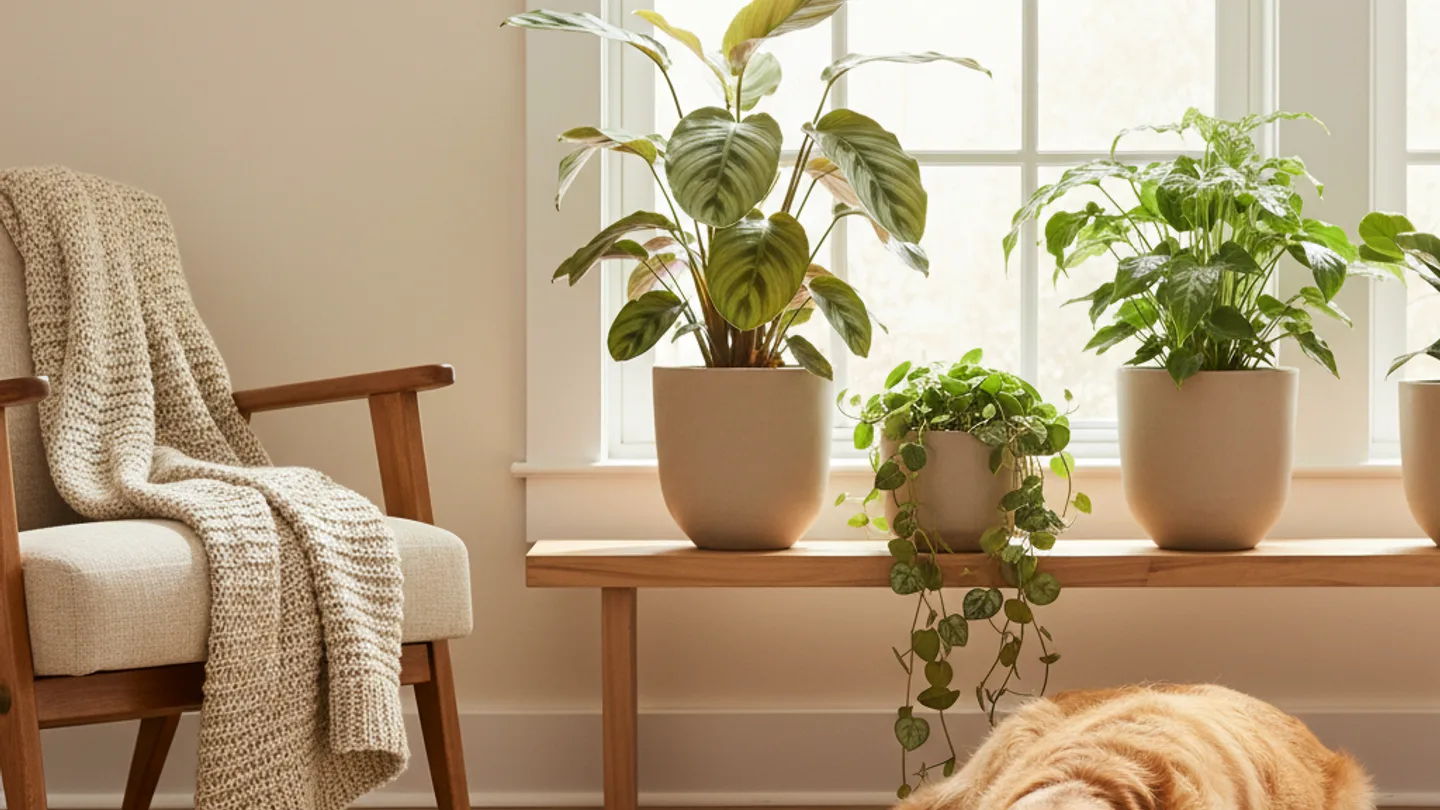
6. Calathea orbifolia and other prayer plants. Pet-safe and beautiful, but treat these as bright indirect plants. They like being near a sunny window, not in it. Direct sun fades the leaf pattern and crisps the edges.
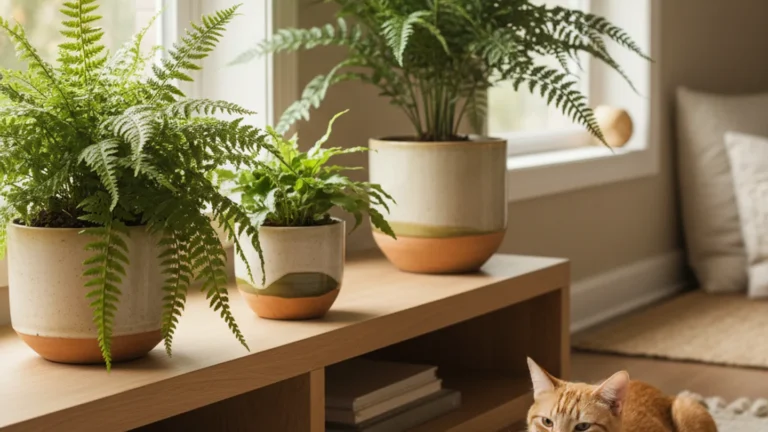
7. Boston fern. Generally considered non-toxic and happy in bright light with high humidity. It handles morning sun well. Scorch warning: dry air plus hot afternoon sun means brown, shedding fronds. Mist it or group it with other plants.
8. Basil, and other kitchen herbs like thyme and rosemary. Generally considered non-toxic to cats and dogs, and they genuinely want that blazing south-facing sill. Bonus: you get fresh herbs. Water more often than houseplants, since pots in full sun dry out fast.
| Plant | Light needs | Scorch risk | Watering rhythm |
|---|---|---|---|
| Haworthia | Direct sun, 4+ hours | Moderate after winter | Every 2 to 3 weeks |
| Echeveria | Direct sun, 4 to 6 hours | Moderate behind glass | When soil is fully dry |
| Spider plant | Bright indirect, some morning sun | Low to moderate | Weekly |
| Ponytail palm | Brightest spot available | Low | Every 2 to 3 weeks |
| Parlor palm | Gentle morning sun | High in afternoon sun | Weekly |
| Prayer plant | Bright indirect only | High | Keep soil lightly moist |
| Boston fern | Bright light, morning sun | Moderate with dry air | Keep soil lightly moist |
| Kitchen herbs | Direct sun, 6+ hours | Low | Every few days in summer |
How to prevent scorch and sunburn
Acclimate slowly. When you bring a new plant home, start it a foot or two back from the glass and move it closer over one to two weeks. This is the single most effective way to avoid scorch.
Know the signs. Sunburn looks like white, yellow or brown crispy patches on the side facing the window. Underwatering looks more like overall wilting with dry soil. The patchy, one-sided pattern is the giveaway for sun.
Rotate your pots a quarter turn each week. Plants lean toward the light, and rotating keeps growth even and exposes all sides gradually.
Watch seasonal shifts. A spot that was perfect in March can be scorching in June. If you see bleached patches in summer, a sheer curtain or a one-foot step back usually solves it.
Sunny plants that are not pet-safe
Some popular sun-lovers are off the table in a home with pets. Jade plants and aloe vera are common sunny-sill picks, but both are toxic to cats and dogs. A jade lookalike that is safe: a haworthia or a compact echeveria in a similar pot.
Sago palm is extremely toxic, especially to dogs, and should not be in a pet home at all. A ponytail palm gives you the same sculptural, tropical look without the risk.
And while herbs are often a safe bet, be careful with lavender: lavender is toxic to cats and dogs in larger amounts. Stick with basil, thyme or rosemary for a sunny kitchen window. If you are comparing other trendy plants, check our guides on Monstera and snake plants before you buy.
Common questions
Are succulents safe for cats and dogs?
Some are, some are not. Haworthia and echeveria are generally considered non-toxic. Jade plants and aloe vera are toxic. Always check the exact species before buying, because succulents are often sold without labels.
Can a pet-safe plant still make my pet sick?
Yes. Non-toxic means the plant does not contain known dangerous compounds. Eating a large amount of any plant can still cause vomiting, diarrhea or an upset stomach. If your pet shows symptoms, contact your vet.
My cat keeps eating my spider plant. Should I worry?
Spider plants are generally considered non-toxic, and many cats chew them without any problem. That said, frequent chewing can irritate the stomach. Try a hanging planter out of reach, or offer cat grass as a dedicated chewing plant.
What if my sunny window is too hot for plants?
South and west-facing sills behind glass can get hotter than you expect. Use a sheer curtain in summer, move pots an inch off the glass, and check soil moisture more often. Pots in full sun can dry out within a day or two.
How do I know if a plant in a shop is pet-safe?
Look up the botanical name, not just the common name, and check it against the ASPCA toxic plant database. Common names overlap, and two plants with the same shop name can have very different safety profiles.