Are Buttercups Toxic to Cats and Dogs?
Yes, buttercups are toxic to cats and dogs. That includes the small yellow flowers popping up in your lawn and the lush ranunculus in a spring bouquet. They are cousins in the same plant family, and they carry the same irritant toxin.
Here is the reassuring part. Buttercups taste sharp and bitter, so most pets stop after one bite, and serious poisoning is rare. Even a small nibble can still blister the mouth and trigger drooling and vomiting, so it is worth knowing the signs.
This guide covers both versions: the lawn weed and the trendy cut flower. You will learn what makes buttercups risky, which symptoms matter, what to do after a bite, and which pet-safe flowers give you the same look.
In this guide
Key takeaways
- Buttercups and ranunculus are toxic to both cats and dogs, in the lawn and in the vase.
- The toxin is protoanemonin, a bitter oil released when the plant is chewed or crushed. It can blister the mouth and throat.
- Typical signs are heavy drooling, pawing at the mouth, vomiting, and diarrhea.
- Most pets stop after one bite because of the taste, but call your vet if symptoms appear or your pet swallowed a lot.
- Safe swaps with a similar look include garden roses, zinnias, snapdragons, and moth orchids.
The science, in plain words
Why buttercups are toxic
Every part of the buttercup plant is toxic: stems, leaves, and flowers. The fresh growth is the most irritating. The sap holds a compound that turns into a toxin called protoanemonin the moment the plant is chewed or crushed.
Protoanemonin is a sharp, bitter oil. On contact, it irritates and can blister soft tissue. That is why the mouth, tongue, and throat react first, and why drooling is often the earliest sign something is wrong.
The bitterness is actually your pet's first line of defense. Most dogs and cats spit buttercups out after one bite. Puppies, kittens, and determined chewers are the exception, so take any nibbling seriously.
Two ways pets meet buttercups
Wild buttercups in lawns and meadows
Creeping buttercup and its cousins are common in US lawns, parks, and meadows, especially in spring and early summer. Dogs usually meet them while grazing on grass or snapping at the yellow flowers.
Walking across a patch is unlikely to poison your dog. The risk starts when the plant is chewed or crushed and the irritant oil is released. Sensitive skin on paws and bellies can still turn red after close contact.
Buttercups grow low, so mowing alone will not remove them. Dense, healthy grass crowds them out. Reseed bare spots and pull stray plants by the root while wearing gloves.
Ranunculus in bouquets and pots
Florist ranunculus, also called Persian buttercup, is everywhere in spring: wedding bouquets, farmers markets, and Instagram feeds. It belongs to the same family as the lawn weed and carries the same irritant.
Indoors, cats are the usual victims. A vase on a table sits right at cat level, and dangling stems are hard to resist. Fallen petals are easy to miss under furniture.
If you cannot resist ranunculus, keep the vase in a room your pet cannot enter, never let pets drink the vase water, and pick up fallen petals daily. Or choose a safe swap from the table below.
Symptoms of buttercup poisoning
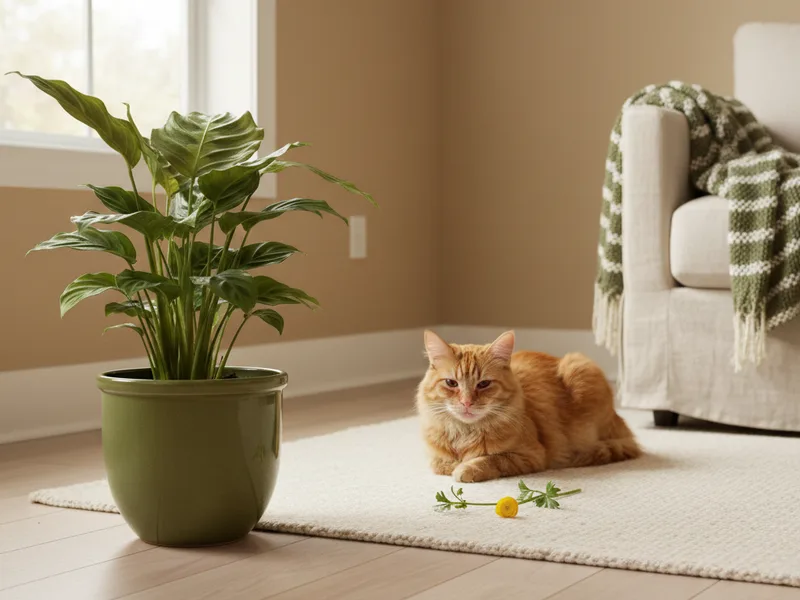
Symptoms usually show up soon after chewing, because the oil irritates on contact. The first signs appear in and around the mouth.
Watch for heavy drooling or foaming, pawing at the mouth or face, and red, swollen, or blistered lips, tongue, or gums. Vomiting, diarrhea, and refusing food often follow. Some pets just seem off: quiet, low energy, not interested in dinner.
Most cases stay mild, because the bitter taste stops pets after a bite. Eating a larger amount can cause stronger signs, like weakness or unsteady walking. That is uncommon, but it needs a vet right away. When in doubt, call your vet.
What to do if your pet eats a buttercup
Clear the mouth
Gently remove any plant pieces from your pet's mouth. Move the bouquet out of reach, or lead your dog away from the patch.
Offer water
A few sips of fresh water help rinse the mouth. You can also wipe the gums with a damp cloth. Do not force your pet to drink.
Note the details
Write down what was eaten, roughly how much, and when. A quick photo of the plant helps your vet confirm what it was.
Call a professional
Call your vet, or ASPCA Animal Poison Control at (888) 426-4435. A consultation fee may apply. Follow the advice you are given.
Watch and follow up
Keep an eye on your pet for the next 24 hours. Ongoing drooling, vomiting, or low energy means it is time to see the vet.
| Pet-safe swap | The look you get | Light it needs |
|---|---|---|
| Garden roses | Layered, ruffled blooms closest to ranunculus | Full sun outdoors, brightest window indoors |
| Zinnias | Round, full blooms in bold colors | Full sun |
| Snapdragons | Tall flower spikes for height and structure | Full sun to partial shade |
| Petunias | Soft, ruffled flowers for pots and baskets | Full sun |
| Sunflowers | Big, cheerful focal blooms | Full sun |
| Moth orchid (Phalaenopsis) | Elegant indoor blooms instead of a cut bouquet | Bright, indirect light |
| African violet | Compact color for small spaces | Bright, indirect light |
Keeping buttercups away from paws
In the yard, focus on the patches your dog likes to sniff. Pull buttercups by the root while wearing gloves, since the sap can irritate your skin too. Reseed bare spots so grass fills in and leaves no room for weeds.
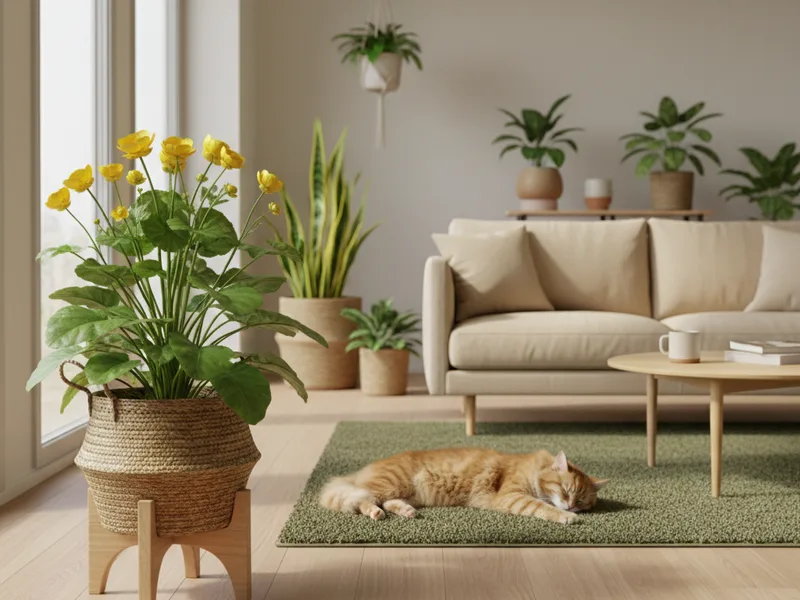
Indoors, the rule is simple: no ranunculus within pet range. That means no low vases, no petals on the floor, and no bouquets on counters your cat can reach. Choose one of the safe swaps above for the same full, ruffled look.
Buttercups are not the only common plant with a catch. Our guides cover cyclamen, monstera, and lavender in the same verdict-first way.
Frequently asked questions
Are buttercups toxic to dogs?
Yes. All buttercups, including lawn buttercups and florist ranunculus, are toxic to dogs. The irritant oil protoanemonin can blister the mouth and cause drooling and vomiting. Call your vet if your dog shows these signs.
Are buttercups toxic to cats?
Yes, cats react the same way. Indoor cats most often meet buttercups in a ranunculus bouquet. Keep vases out of reach and pick up fallen petals quickly.
Is ranunculus the same thing as buttercup?
Ranunculus is the plant's genus name. The fluffy florist flower is Persian buttercup, and the yellow lawn weed is its cousin. Same family, same irritant oil.
Can my dog get poisoned by walking on buttercups?
Poisoning is unlikely from walking alone. The toxin is released when the plant is chewed or crushed. Sensitive skin can still react, so rinse your dog's paws or legs if they look red after a romp through a patch.
Are dried buttercups still toxic?
Much less so. The irritant oil breaks down as the plant dries, so wilted or dried buttercup is far less irritating than fresh growth. It is still smart to keep dried arrangements out of reach.
What happens if my cat eats ranunculus petals?
Expect mouth irritation first: drooling, pawing at the face, and possibly vomiting. Remove any plant pieces, offer water, and call your vet or ASPCA Animal Poison Control at (888) 426-4435 if symptoms appear.
Are buttercups dangerous to people too?
They can be. The same oil irritates human skin and mouths, so wear gloves when pulling buttercups and keep the flowers away from small children.