Is Hibiscus Toxic to Cats and Dogs?
Hibiscus plants are a mixed bag for pet owners. Most hibiscus varieties are considered non-toxic to cats and dogs, but one common type, rose of Sharon, is toxic to dogs and can cause stomach upset.
That split answer matters, because 'hibiscus' covers hundreds of species. The tropical hibiscus with big bright blooms you see in garden centers is a different plant from the hardy shrub sold as rose of Sharon. Knowing which one you have is the first step.
Here is how to tell them apart, what happens if your dog eats the wrong one, and which tropical flowers give you the same look without the risk.
The short answer
- Most hibiscus, including tropical hibiscus (Hibiscus rosa-sinensis), are generally considered non-toxic to cats and dogs.
- Rose of Sharon (Hibiscus syriacus) is the exception. It is toxic to dogs.
- Dogs that eat rose of Sharon may vomit, have diarrhea, or feel nauseous. Call your vet if symptoms appear.
- Keep patio pots out of reach of curious dogs, especially puppies.
- Safe tropical-flower swaps include orchids, bromeliads, and African violets.
Not all hibiscus are the same plant
When someone asks 'is hibiscus toxic to dogs,' the honest answer is: it depends which hibiscus. The name covers a whole genus of flowering plants, and they do not all carry the same risk.
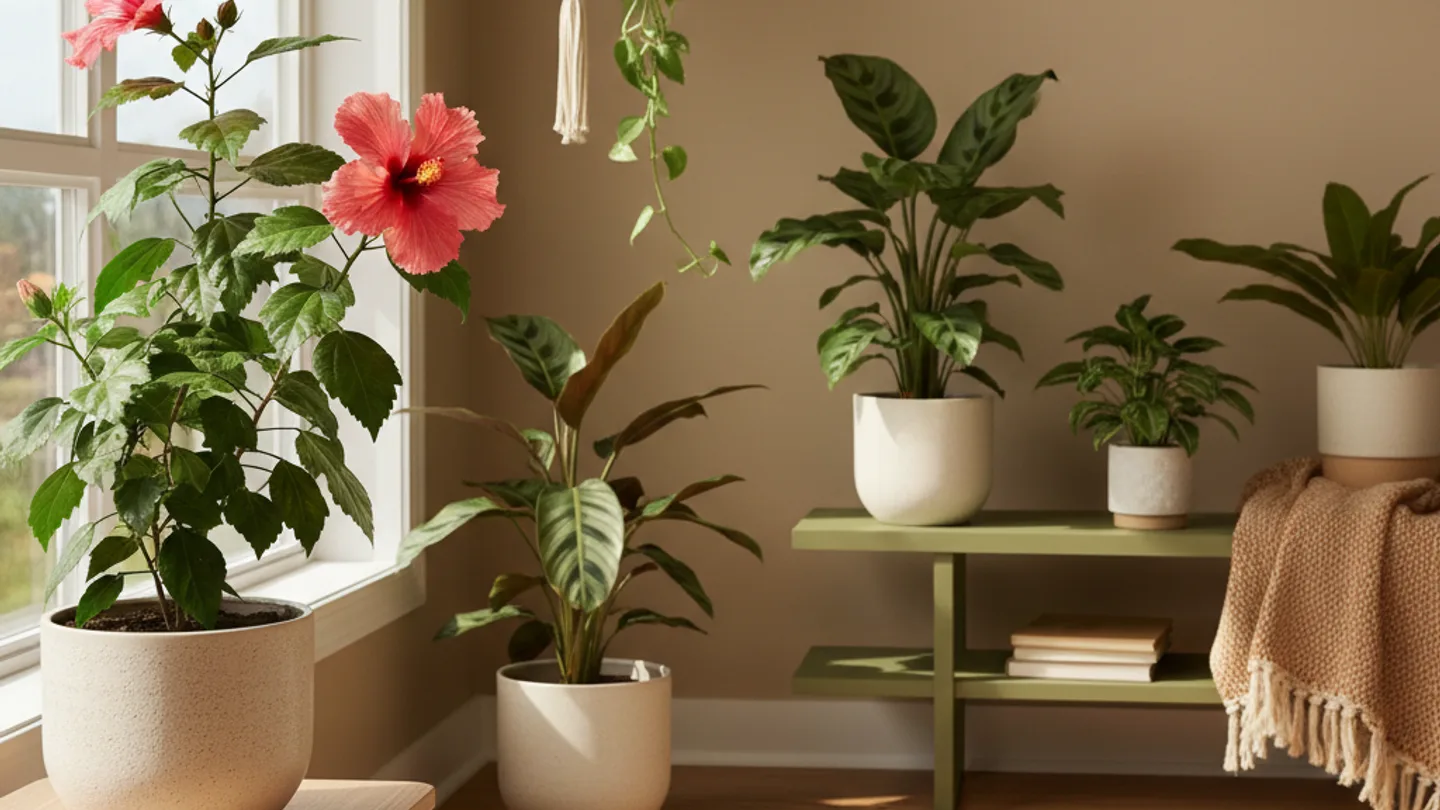
Tropical hibiscus (Hibiscus rosa-sinensis) is the showy one with glossy leaves and huge red, pink, or yellow flowers. It is the type most often sold in pots for patios and sunny windowsills, and it is generally considered non-toxic to cats and dogs.
Rose of Sharon (Hibiscus syriacus) is a hardy shrub that blooms in late summer. It is common in American yards and foundation plantings, and it is the one that is toxic to dogs.
There are also perennial hibiscus types, like hardy hibiscus with dinner-plate flowers. If you are not sure which plant you have, check the plant tag or ask the nursery before letting your pet near it.
| Type | Where you find it | Cats | Dogs |
|---|---|---|---|
| Tropical hibiscus (Hibiscus rosa-sinensis) | Patio pots, sunny windowsills, warm climates | Generally considered non-toxic | Generally considered non-toxic |
| Rose of Sharon (Hibiscus syriacus) | Yards, hedges, foundation plantings | Check the tag; risk is mainly to dogs | Toxic |
| Hardy perennial hibiscus | Garden beds, late summer borders | Confirm the exact species first | Confirm the exact species first |
What happens if a dog eats rose of Sharon
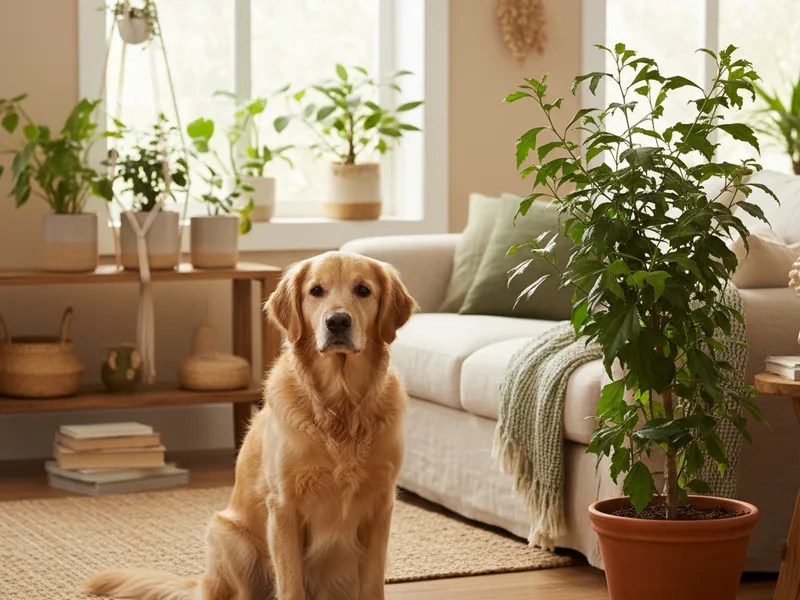
Rose of Sharon can irritate a dog's digestive system. The most common signs are stomach related: vomiting, diarrhea, nausea, and loss of appetite. Some dogs also drool more than usual.
The flowers and foliage are the parts dogs tend to chew, and the blooms drop in late summer right where a dog walks. That is when most nibbling happens.
The good news: these symptoms are usually mild and pass on their own. Still, watch your dog closely. If vomiting or diarrhea is severe, lasts more than a few hours, or your dog seems weak or in pain, call your vet. Puppies and small dogs can dehydrate faster, so act sooner with them.
Never call any plant completely harmless. Even non-toxic plants can cause an upset stomach if your pet eats a lot of leaves or flowers.
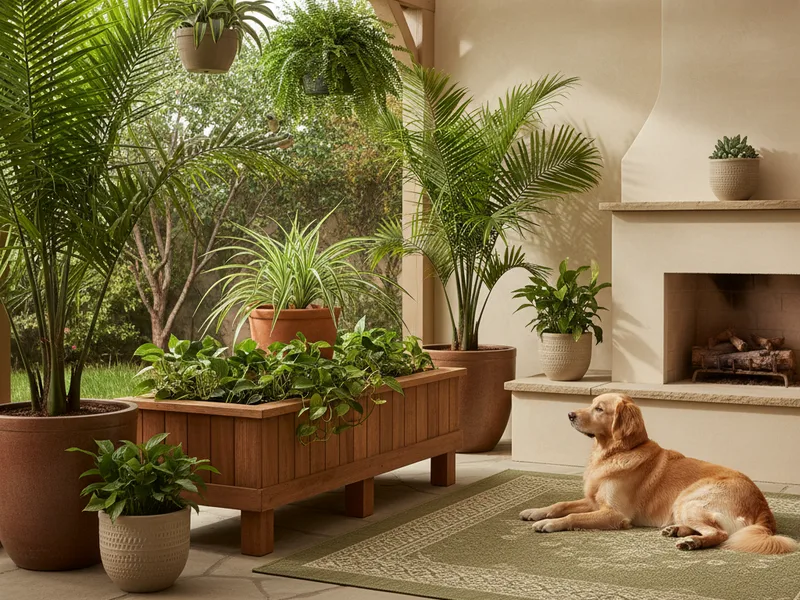
Smart placement for patio pots
A few simple habits keep hibiscus and pets apart without giving up the flowers.
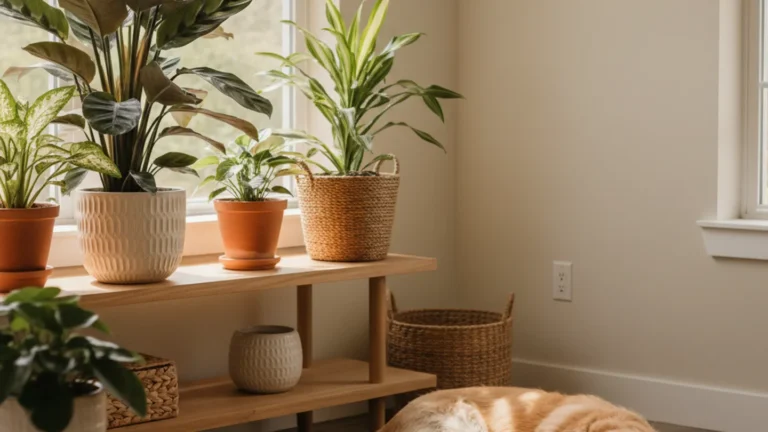
Put pots on a plant stand, a sturdy table, or a wall ledge your dog cannot reach. Hibiscus loves full sun, so a sunny railing or elevated spot suits the plant too.
Rake or sweep up fallen blooms daily if you have rose of Sharon in the yard. Dogs often eat what lands on the ground, not what grows on the shrub.
Watch puppies and young dogs extra closely. They chew first and ask questions never. If your dog is a known plant nibbler, skip rose of Sharon entirely and choose a safe swap instead.
If your pet eats hibiscus
Identify the plant
Check the tag, your receipt, or a photo. Tropical hibiscus and rose of Sharon are different risks, and your vet will want to know which one was eaten.
Remove leftovers and rinse the mouth
Take away any chewed leaves or flowers. Offer fresh water so your pet can rinse out plant bits.
Watch for symptoms
For dogs that ate rose of Sharon, look for vomiting, diarrhea, drooling, or low energy over the next few hours.
Call your vet if symptoms appear
Describe the plant, the amount eaten, and the symptoms. Get help fast if symptoms are severe, your pet is very young or small, or you are unsure what was eaten.
Pet-safe swaps with a tropical look
Love the bold, holiday feel of hibiscus but want zero guesswork? These flowering plants are generally considered non-toxic to cats and dogs and fit a similar style.
Orchids bring exotic blooms indoors and do well in bright, indirect light. Moth orchids are the easiest starting point.
Bromeliads give you that punch of tropical color and handle average home conditions well. They are a solid pick for apartments.
African violets flower nearly year-round on a bright windowsill and stay compact, which suits small spaces.
As with any plant, discourage chewing and call your vet if your pet eats a large amount. And if you are weighing other garden plants, see our guides on lavender and cyclamen, or the popular monstera.
Common questions
Is hibiscus toxic to dogs?
Rose of Sharon (Hibiscus syriacus) is toxic to dogs and can cause vomiting and diarrhea. Tropical hibiscus (Hibiscus rosa-sinensis) is generally considered non-toxic. Check which type you have.
Is hibiscus toxic to cats?
Most hibiscus types, including tropical hibiscus, are generally considered non-toxic to cats. As with any plant, keep an eye on chewing and call your vet if your cat shows symptoms.
What should I do if my dog eats rose of Sharon?
Remove any plant pieces, offer water, and watch for vomiting, diarrhea, or drooling. If symptoms appear, are severe, or your dog is small or very young, call your vet.
Are hibiscus flowers or leaves the risky part?
Dogs most often chew the flowers and foliage, and fallen blooms on the ground are a common culprit in late summer. Sweep up dropped flowers if you have rose of Sharon.
What is a safe alternative to hibiscus?
Orchids, bromeliads, and African violets are generally considered non-toxic to cats and dogs and give you colorful, tropical-style blooms.