Pet-Safe Palms: Which Palms Are Safe and Which Are Not
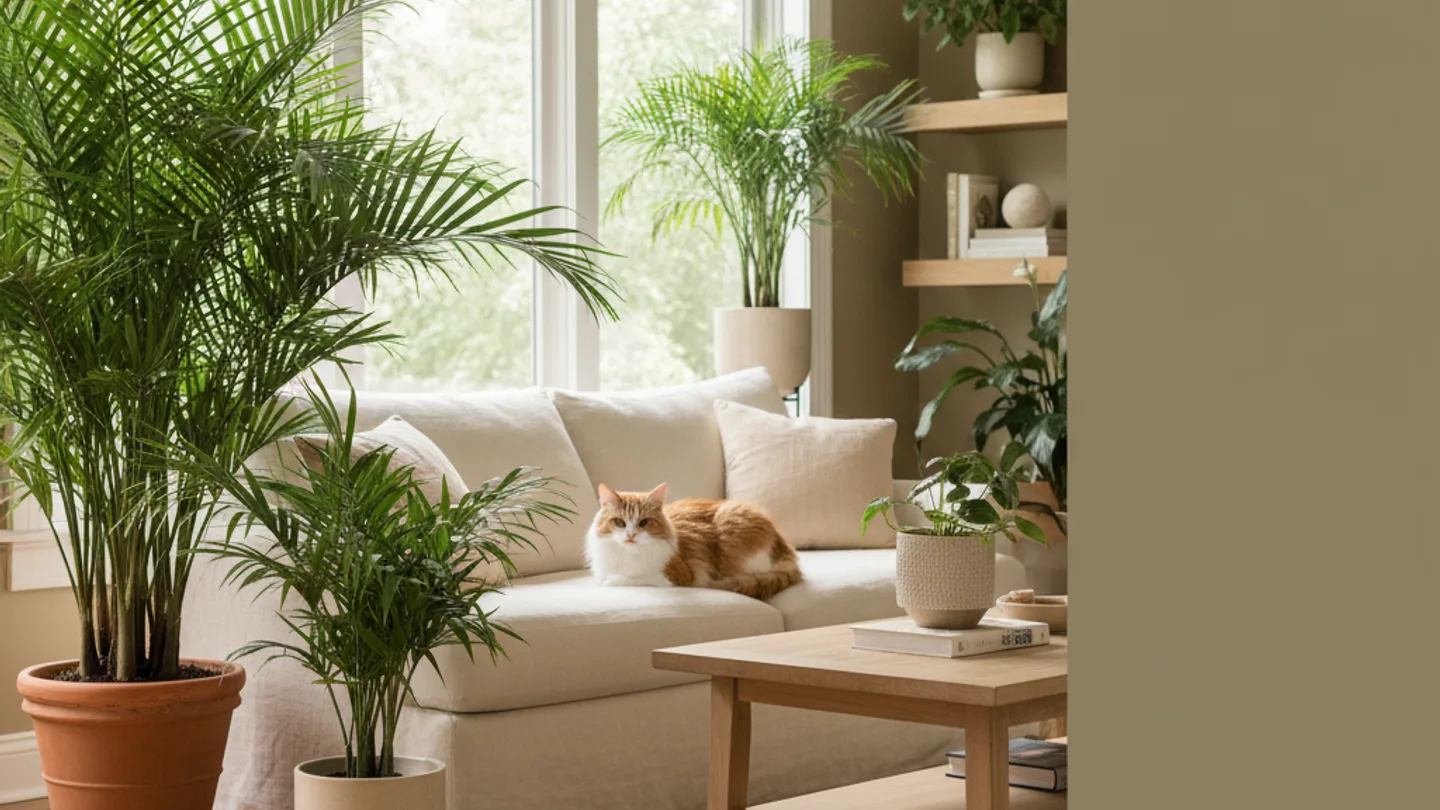
Most true palms are generally considered non-toxic to cats and dogs. That is the good news. The parlor palm, areca palm, kentia palm, cat palm and ponytail palm are all safe choices for a home with pets.
But there is one dangerous exception, and it is a big one. The sago palm is not a palm at all, and it is one of the most toxic plants you can bring into a house with pets. Every part of it can cause liver failure in cats and dogs.
This guide gives you the verdict on each popular palm, explains why the sago palm is an emergency, and shows you safe swaps that give the same look.
The short answer
- Parlor, areca, kentia, cat and ponytail palms are generally considered non-toxic to cats and dogs.
- The sago palm is not a true palm. It is a cycad, and it is extremely toxic to both cats and dogs.
- Even a small amount of sago palm, especially the seeds, can cause liver failure. Treat any ingestion as an emergency and call your vet or a pet poison hotline right away.
- Safe palms still get chewed. Place them out of reach if your cat likes to nibble leaves, since any plant material can cause an upset stomach.
- Want the palm look without the risk? Parlor palm and kentia palm are the closest safe matches to the sago palm's shape.
Safe palms at a glance
Here is the quick verdict on the palms you will see most often in shops and on Instagram. All five below are generally considered non-toxic to both cats and dogs.
Non-toxic does not mean harmless in every situation. A pet that eats a lot of any plant can still vomit or get diarrhea. But these palms contain no known toxins that damage organs, so a chewed leaf is a mess, not an emergency.
| Plant | True palm? | Cats | Dogs | Notes |
|---|---|---|---|---|
| Parlor palm | Yes | Non-toxic | Non-toxic | Compact, tolerates lower light, great for apartments |
| Areca palm | Yes | Non-toxic | Non-toxic | Feathery fronds, likes bright indirect light |
| Kentia palm | Yes | Non-toxic | Non-toxic | Slow grower, handles lower light well |
| Cat palm | Yes | Non-toxic | Non-toxic | Full, bushy look, likes bright indirect light |
| Ponytail palm | Yes | Non-toxic | Non-toxic | Not a true palm botanically, but pet safe; very drought tolerant |
| Sago palm | No, it is a cycad | Highly toxic | Highly toxic | All parts dangerous, seeds worst; can cause liver failure |
The five safe palms, one by one
Parlor palm. The classic small-space palm. It stays compact, copes with lower light, and forgives inconsistent watering. If your apartment gets modest light, start here.
Areca palm. The big, feathery one you see all over Pinterest. It wants bright, indirect light and regular watering. It grows fast, so give it floor space near a window.
Kentia palm. The elegant option. Arching fronds, slow growth, and it tolerates lower light better than most palms. It costs more up front, but it lives for years.
Cat palm. Despite the name, the name refers to its look, not to cat safety testing. It is still generally considered non-toxic to both cats and dogs. It likes bright indirect light and consistently moist soil.
Ponytail palm. Technically a succulent relative, not a true palm, but it is pet safe and nearly indestructible. Its swollen trunk stores water, so it suits people who forget to water. Cats do love batting at its long, thin leaves, so a sturdy pot helps.
The sago palm: the dangerous impostor
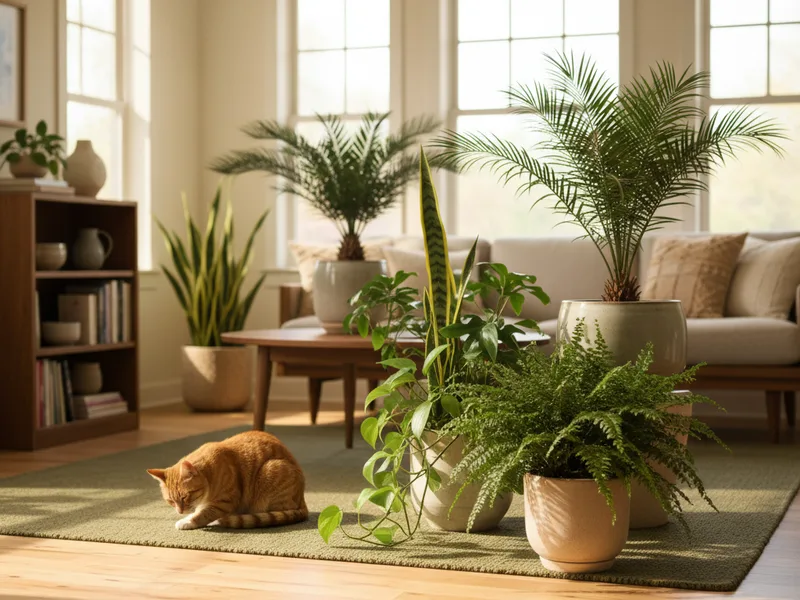
The sago palm is not a palm. It is a cycad, an ancient plant family that only looks palm-like. The name fools a lot of shoppers, and the plant is sold in garden centers everywhere, often without a warning label.
Every part of the sago palm is toxic to cats and dogs. The seeds, also called nuts, are the most dangerous, but the leaves and roots are toxic too. The plant contains cycasin, a toxin that the body converts into a compound that attacks the liver.
Symptoms can start within hours and include vomiting, diarrhea, drooling, weakness and loss of appetite. Liver failure can follow, and severe cases can be fatal even with treatment. This is one plant where a strong warning is justified.
If your pet eats any part of a sago palm, treat it as an emergency. Call your vet or the ASPCA Animal Poison Control Center right away, even if your pet seems fine. Do not wait for symptoms. Our advice for pet owners is simple: do not keep a sago palm in a home with cats or dogs at all.
Safe swaps for the sago palm look
Love that stiff, architectural sago palm shape? You can get close without the risk.
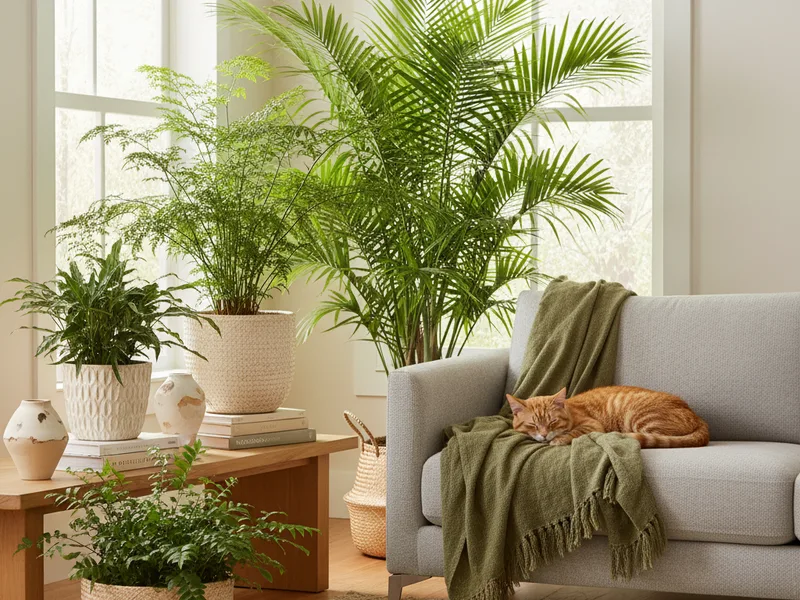
The parlor palm gives you a similar feathery crown in a smaller package, and it thrives indoors. The kentia palm delivers the same statement look at a larger size. Both are generally considered non-toxic, and both handle typical apartment light.
If it is the low, spiky silhouette you want, a haworthia or a spider plant gives a sculptural shape on a shelf or table, and both are considered pet safe. You keep the style, and your pet keeps the liver.
Common questions about palms and pets
Are all palms safe for cats and dogs?
Most true palms are generally considered non-toxic, including parlor, areca, kentia and cat palms. The big exception is the sago palm, which is not a true palm and is extremely toxic. Always check the exact species before you buy.
My cat ate some palm leaves. Should I worry?
If it is one of the safe palms in this guide, a few chewed leaves usually cause nothing more than mild stomach upset. Watch for vomiting or diarrhea and call your vet if symptoms appear or your pet seems off. If the plant might be a sago palm, call your vet or a poison hotline immediately.
How can I tell a sago palm from a real palm?
Sago palms are short and stocky with stiff, glossy, dark green fronds that feel almost plastic. True palms like parlor and kentia have softer, arching fronds. When in doubt, check the plant label for the Latin name: Cycas revoluta means sago palm, so leave it at the store.
Is the ponytail palm really a palm?
No. It is more closely related to succulents. But it is generally considered non-toxic to cats and dogs, so it earns its place on the safe list.
Are palm seeds or berries dangerous?
On safe palms, fallen berries are not a known toxin risk, but they can still be a choking hazard or cause an upset stomach, so sweep them up. Sago palm seeds are a different story: they are the most toxic part of a highly toxic plant.
Where can I check if a specific plant is toxic?
The ASPCA maintains a searchable list of toxic and non-toxic plants, and your vet can confirm tricky cases. For more verdicts, read our guides on popular houseplants in the blog.}]},{
What should I do if my dog eats a sago palm?
Call your vet or the ASPCA Animal Poison Control Center at once, even before symptoms show. Bring a photo or a piece of the plant so the vet knows exactly what your dog ate. Fast treatment makes a real difference.