Banana Plant Care: A Big Pet-Safe Jungle Statement
Banana plants are generally considered non-toxic to both cats and dogs. If you want a huge, lush jungle look without worrying about a curious pet taking a bite, this is one of the safest big plants you can buy.
Indoor banana plant care is simpler than its size suggests. Give it lots of light, generous water and regular food, and it will reward you with enormous leaves. This guide covers exactly what it needs in a real apartment or house, plus the few quirks that surprise new owners.
Banana plant care at a glance
- Banana plants (Musa) are generally considered non-toxic to cats and dogs.
- They need the brightest spot you have, ideally a few hours of direct sun.
- They drink a lot. Water when the top inch or two of soil dries out.
- Feed regularly in spring and summer, they are hungry plants.
- Torn leaves are normal and not a sign of bad care.
- You control the size with the pot, pruning and light, not luck.
The verdict: safe for cats and dogs
True banana plants, the Musa family, are generally considered non-toxic to cats and dogs. That includes the popular indoor varieties like Musa 'Dwarf Cavendish'. If your dog chews a leaf or your cat bats one down and nibbles it, toxicity is not your worry.
One note of honesty: even non-toxic plants can cause a mild upset stomach if a pet eats a lot of plant material. Fiber and sap can be hard to digest. If your pet vomits, drools or seems off after chewing any plant, call your vet.
Also check the label before you buy. Banana lookalikes exist. The bird of paradise (Strelitzia), which has a similar giant-leaf look, is a different plant. Always confirm the botanical name says Musa.
Light: the brightest window you own
Banana plants grow in full tropical sun. Indoors, they want the brightest spot in your home. A south or west facing window is ideal, and a few hours of direct sun through the glass helps a lot.
In low light, a banana plant survives but sulks. Growth slows, leaves come out smaller and paler, and the trunk stays soft. If your home is dark, a grow light is a better fix than hope.
Practical tip for apartments: park it right in front of the window rather than next to it. Every foot away from the glass costs it meaningful light.
Water: generous, but not soggy
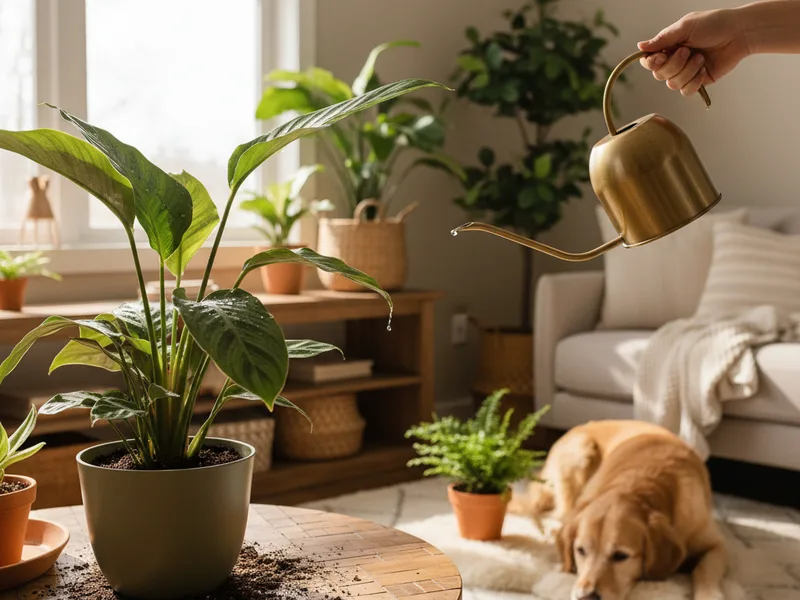
Banana plants are thirsty. Those giant leaves lose a lot of moisture to the air, so the plant drinks more than most houseplants its pot size. In summer you may water once or twice a week, sometimes more in a hot, bright room.
The method: water when the top inch or two of soil feels dry. Then water deeply until it runs out the drainage hole, and let the pot drain fully. Never let it sit in a saucer of standing water, because soggy roots rot.
In winter, growth slows and so does thirst. Cut back and let the soil dry a bit more between waterings. Yellowing leaves that stay soft often point to too much water, while brown, crispy edges usually mean too little or air that is too dry.
Food: a hungry fast grower
Few houseplants eat like a banana. During spring and summer, feed every two to four weeks with a balanced liquid fertilizer. This steady food supply is what produces those huge, dramatic leaves.
In fall and winter, stop feeding or drop to a very light dose. The plant rests, and extra fertilizer just builds up in the soil.
If leaves stay small and pale despite good light, food is usually the missing piece.
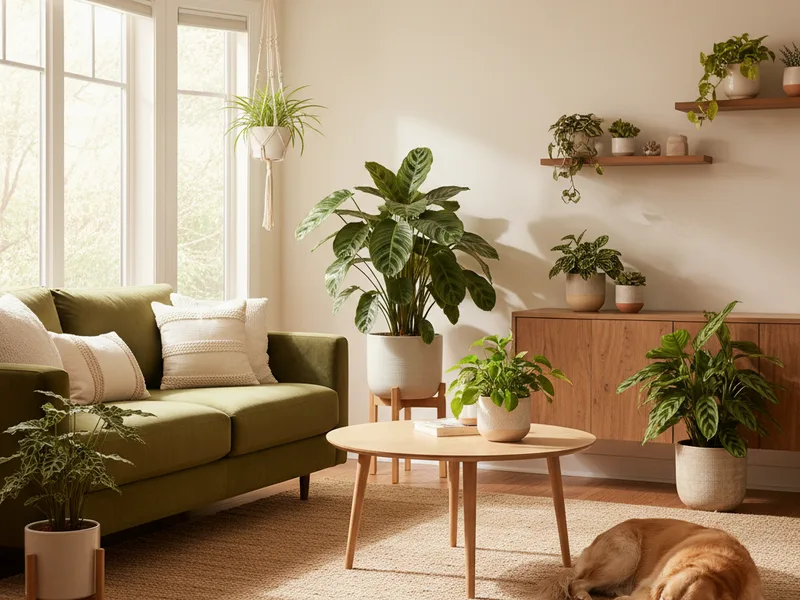
Managing the size in a real home
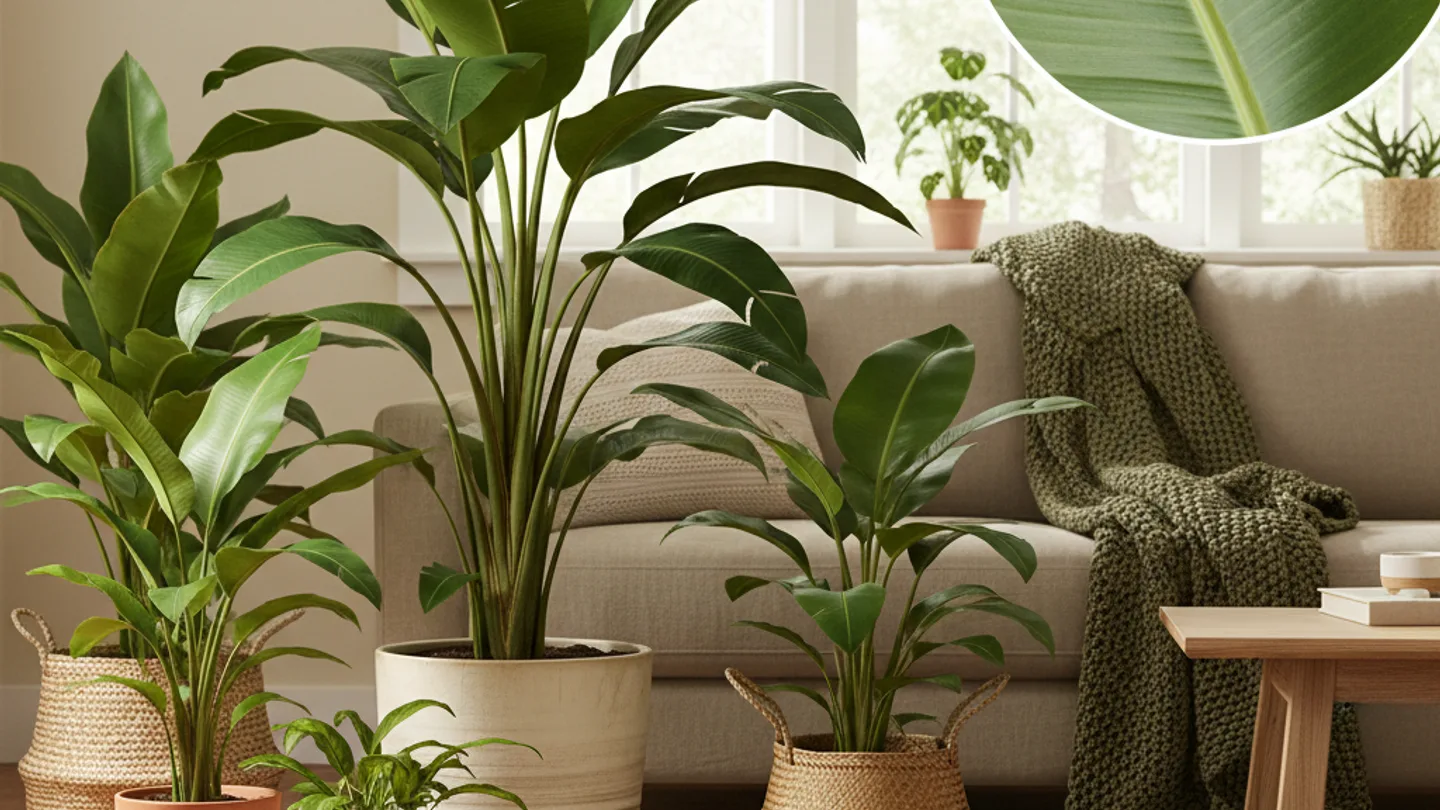
Left alone with good care, an indoor banana can reach six feet or more. That is the appeal, but also the challenge in a small apartment. The good news: you control the size.
The pot is your main tool. A banana plant in a modest pot stays smaller. Repot only one size up when roots fill the current pot, and repot less often if you want to slow it down.
Pruning works too. Cut off older, lower leaves at the trunk when they fade. The plant grows from a central stem, so never cut that main stem unless you want to reset the whole plant. Pups, the baby shoots at the base, can be removed and potted up or given away to keep the mother plant compact.
Also plan the spot before you buy. This plant wants a permanent corner with headroom, not a shelf it will outgrow in one summer.
Torn leaves are normal, really
New banana plant owners often panic when leaves split and tear along the veins. Relax. This is built into the plant. In the wild, banana leaves tear in the wind so the whole leaf does not snap. Indoors, a draft, a brushing pet or even dry air causes the same effect.
A torn leaf still photosynthesizes and still looks lush in a jungle-style room. Only remove a leaf when it is mostly brown or dead.
To reduce tearing, keep the plant out of strong drafts from vents and doors, and raise the humidity if your home is very dry. A humidifier or regular misting helps edges stay supple.
Soil, humidity and temperature
Use a rich, well draining potting mix. A standard houseplant mix with some added perlite works well. Good drainage matters more than a fancy recipe.
Banana plants like warmth, roughly 65 to 85 degrees Fahrenheit, and dislike cold drafts. Keep them away from chilly windows in winter and from air conditioning blasts in summer.
Average home humidity is acceptable, but the plant looks its best with a bit more. Grouping it with other plants or running a humidifier nearby keeps leaf edges from browning.
Common questions about indoor banana plants
Are banana plants toxic to cats or dogs?
No. True banana plants (Musa) are generally considered non-toxic to both cats and dogs. Eating a large amount of any plant can still cause mild stomach upset, so call your vet if your pet shows symptoms like vomiting or drooling.
How much light does an indoor banana plant need?
As much as you can give it. A bright south or west facing window with a few hours of direct sun is ideal. In dim rooms, growth slows and leaves stay small, so consider a grow light.
Why are the leaves tearing?
Tearing is normal. Banana leaves are built to split along the veins so wind does not destroy them. Drafts, dry air and brushing past the plant cause the same splits indoors. It is cosmetic, not a care failure.
How often should I water a banana plant?
When the top inch or two of soil is dry. In summer that can be once or twice a week in a bright room. Water deeply, let it drain fully, and never let the pot stand in water.
Can I keep a banana plant small?
Yes, to a degree. A smaller pot slows it down, removing pups at the base keeps it tidy, and pruning old lower leaves controls width. It will always want to be a big plant though, so pick a spot with headroom.
Will my indoor banana plant grow fruit?
Almost never in a typical home. Fruiting needs intense light, heat, size and time that indoor conditions rarely provide. Enjoy it as a foliage plant.