Ponytail Palm Care: A Quirky, Pet-Safe Sculpture
Ponytail palms are non-toxic to both cats and dogs. That is the short answer, and it is good news, because this plant is one of the most charming pet-safe options you can buy.
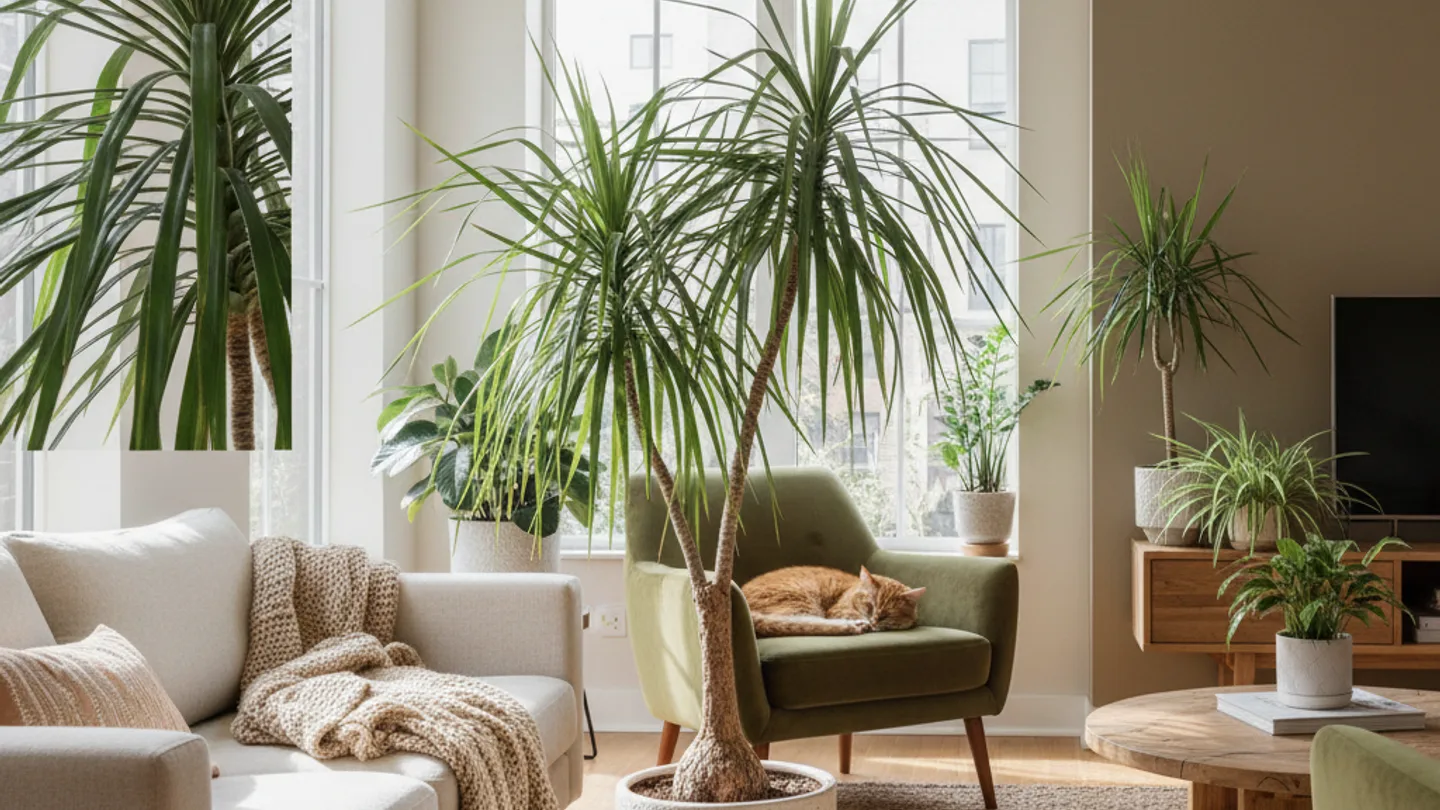
Despite the name, a ponytail palm is not a palm at all. It is a succulent, with a swollen trunk that stores water and a fountain of long, curly leaves on top. Think of it as a living sculpture that asks very little of you.
This guide covers everything you need for ponytail palm care: light, water, soil, growth, and how to live with one when you have a curious cat.
Ponytail palm care at a glance
- Ponytail palms are generally considered non-toxic to cats and dogs.
- It is a succulent, not a true palm, so it stores water in its thick trunk.
- Water sparingly. Let the soil dry out fully between waterings.
- Give it the brightest spot you have. It loves direct sun.
- It grows slowly, so it stays the right size for years.
- Cats may bat at the curly leaves. The plant usually survives the attention, but placement helps.
Is a ponytail palm safe for cats and dogs?
Yes. The ponytail palm (Beaucarnea recurvata) is generally considered non-toxic to both cats and dogs. If your pet nibbles a leaf, you should not expect poisoning.
That said, no plant is completely harmless. Eating a lot of any plant material can cause a mild stomach upset, simply because pets are not built to digest leaves. If your pet vomits, seems unwell, or stops eating after chewing on any plant, contact your vet.
The bigger issue is usually the other way around. Cats love to bat at the long, dangling leaves, and a playful cat can shred them or tip a small plant over. Place your ponytail palm on a sturdy, heavy pot on a stable surface, or somewhere a swatting paw cannot easily reach. A toppled pot is more dangerous to your floors than to your pet, but a heavy fall could still hurt a small animal.
Why it is called a palm but grows like a succulent
The ponytail palm gets its common name from its shape: a bare trunk with a ponytail of thin, curly leaves. Botanically, though, it is a succulent native to dry regions of Mexico.
That swollen base you see at the bottom of the trunk is a water storage organ, sometimes called a caudex. The plant fills it during wet periods and lives off it during dry ones.
This one fact explains almost all of ponytail palm care. It wants lots of light, very little water, and soil that drains fast. Treat it like a cactus cousin, not like a tropical palm, and it will thrive.
Light: the brighter, the better
Ponytail palms want bright light, and they are happiest with several hours of direct sun each day. A south- or west-facing window is ideal in most US homes.
They tolerate lower light better than most succulents, but growth slows down and the leaves can lose some of their bounce. In a dim apartment, keep it in the brightest window you have.
If you move it outside for summer, acclimate it gradually over a week or two. A plant that has spent all winter indoors can sunburn if it goes straight into full afternoon sun.
Water: less than you think
Overwatering is the number one way to kill a ponytail palm. The trunk already holds water, so the plant barely needs yours.
During spring and summer, water only when the soil has dried out completely. For many homes that means every two to four weeks. In fall and winter, when growth slows, you may water once a month or even less.
When you do water, water thoroughly until it runs out of the drainage hole, then let the pot drain fully. Never let the plant sit in a saucer of standing water. Soggy soil leads to root rot, and root rot is hard to reverse.
A simple check: stick your finger two inches into the soil. If you feel any moisture, wait. When in doubt, wait another week.
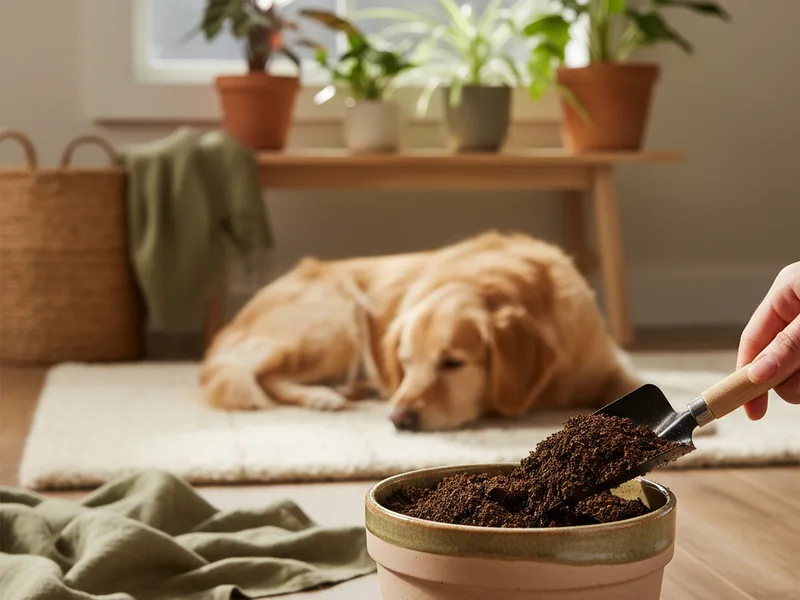
Soil and pot
Use a fast-draining mix, such as a cactus or succulent soil. Regular potting soil holds too much moisture on its own; mixing in perlite or coarse sand helps it drain.
Choose a pot with a drainage hole. Terracotta is a nice option because it lets excess moisture evaporate and adds weight, which helps keep the pot steady around cats.
Ponytail palms actually like being a bit root-bound, so do not rush to repot. Repot only when roots are clearly crowding the pot, usually every few years, and go up just one pot size.
Growth, feeding and common problems
Ponytail palms are slow growers, especially indoors. Expect only a few inches of growth per year. That is part of their appeal for small spaces: the plant you buy is roughly the plant you keep.
Feed lightly, if at all. A diluted balanced fertilizer once a month in spring and summer is plenty. Skip feeding in fall and winter.
Brown leaf tips usually mean dry air or missed waterings and are mostly cosmetic. Trim them with clean scissors if they bother you. Soft, mushy spots on the trunk are a red flag for overwatering and need quick action: stop watering, check the roots, and repot into dry, fresh soil if needed.
Your ponytail palm routine
Place it in your brightest window
South or west facing is best. A few hours of direct sun a day keeps the leaves full and the trunk firm.
Check the soil before watering
Push a finger two inches into the soil. Only water when it is completely dry, often every two to four weeks.
Water deeply, then drain
Soak the soil until water runs from the drainage hole, then empty the saucer. No standing water.
Skip the fuss in winter
Reduce watering to about once a month, stop feeding, and let the plant rest.
Repot rarely
Every few years at most, one pot size up, in fresh cactus or succulent mix.
Common questions about ponytail palms
Is a ponytail palm toxic to cats?
No. Ponytail palms are generally considered non-toxic to cats. The leaves may tempt a cat to play, but chewing them should not cause poisoning. Call your vet if your cat seems unwell after eating a large amount.
Is a ponytail palm toxic to dogs?
No. It is generally considered non-toxic to dogs as well. As with any plant, eating a lot of leaves can cause mild stomach upset, so contact your vet if symptoms appear.
How often should I water a ponytail palm?
Only when the soil is fully dry. That is usually every two to four weeks in spring and summer, and about once a month or less in winter. The water stored in the trunk carries the plant through long dry spells.
Why are the tips of the leaves turning brown?
Brown tips are common and usually come from dry indoor air or irregular watering. They are cosmetic and easy to trim. If the trunk feels soft or mushy, that points to overwatering and needs attention right away.
How big does a ponytail palm get indoors?
Indoors they grow slowly and often stay between one and four feet tall for many years. Growth picks up with more light, but this is not a plant that will outgrow your living room quickly.
Can I keep a ponytail palm in a low-light apartment?
It will survive in moderate light, but it will not thrive. Growth slows and the leaves can droop. If your home is dim, give it the single brightest window you have and rotate the pot now and then for even growth.