Baby Tears Plant Care: A Pet-Safe Carpet of Green
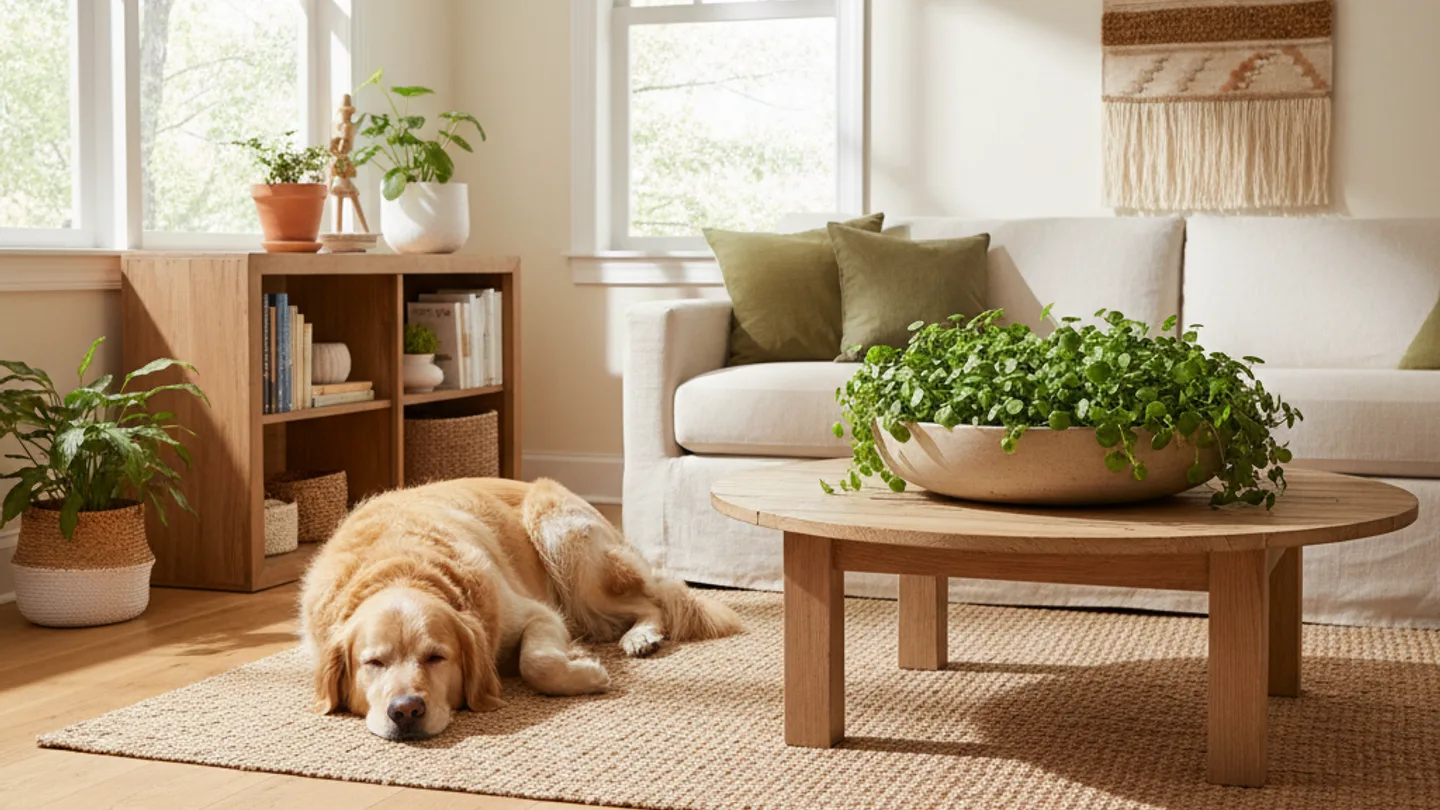
Baby tears (Soleirolia soleirolii) is generally considered non-toxic to cats and dogs. It is one of the safest trailing plants you can bring into a home with pets.
This low, mossy plant forms a dense green carpet of tiny leaves. It looks delicate, but with the right moisture and light it is easier to grow than it seems.
Below you will find everything you need for baby tears plant care: watering, light, containing its spread, and using it in a terrarium. Plus an honest note about cats, because many of them find this texture irresistible.
Baby tears at a glance
- Baby tears is generally considered non-toxic to cats and dogs.
- It needs consistently moist soil. Never let it dry out fully.
- Medium, indirect light keeps it dense and green.
- It spreads fast, so trim it or give it its own pot.
- It thrives in terrariums thanks to high humidity.
- Cats often love the mossy texture, so place it thoughtfully.
The verdict
Is baby tears safe for cats and dogs?
Yes. Baby tears is listed by the ASPCA as non-toxic to both cats and dogs. If your pet takes a nibble, you do not need to panic.
That said, no plant is completely harmless in large amounts. Eating a lot of any greenery can cause mild stomach upset, like vomiting or soft stool. If your pet shows symptoms that worry you, call your vet.
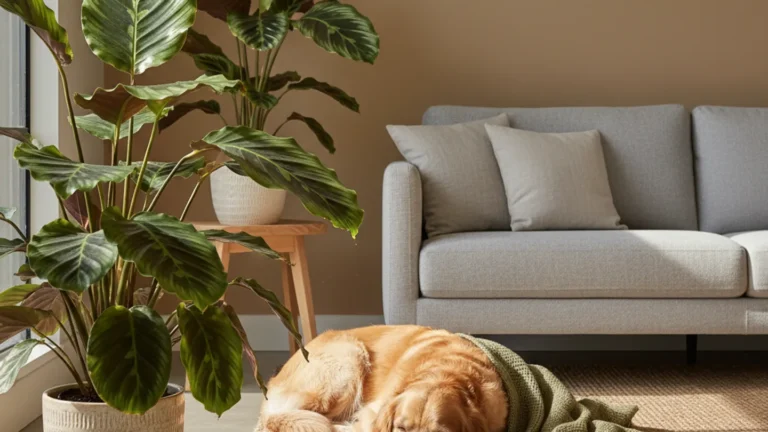
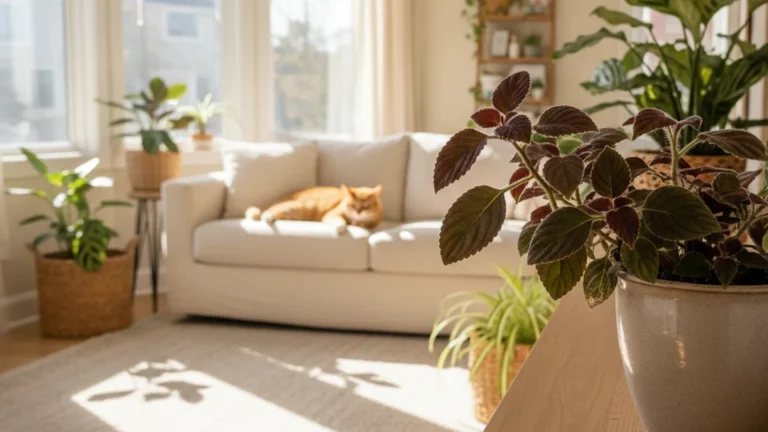
There is one thing to watch, and it is not toxicity. Cats are often drawn to the soft, mossy texture of baby tears. Many cats will paw at it, lie on it, or graze on it out of pure curiosity. The plant will survive your cat, but it may look a little flattened for a while.
If your cat treats it like a salad bar, move the plant to a shelf or a closed terrarium. That protects the plant and keeps your cat's stomach calm.
Water: even moisture is everything
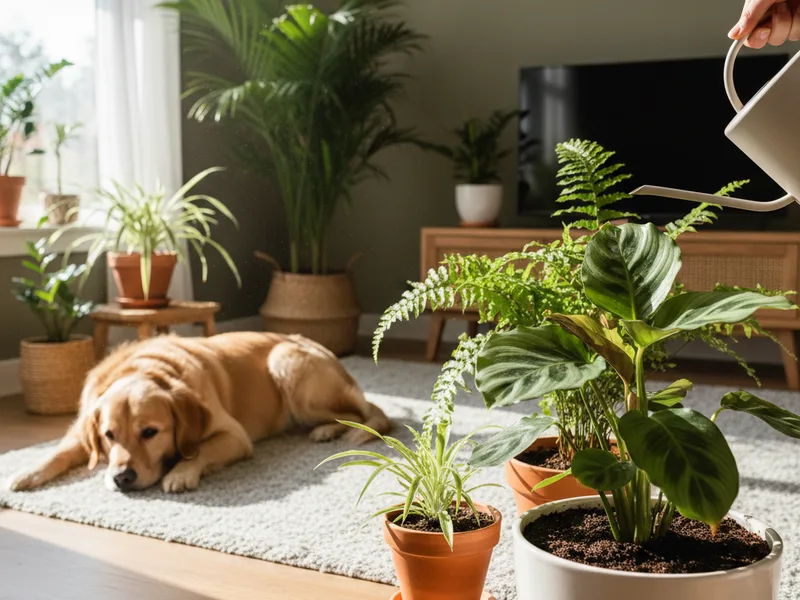
Baby tears has one non-negotiable need: consistently moist soil. Its roots are shallow and fine, so the plant dries out quickly and wilts dramatically when it does.
Check the soil every day or two with a finger. Water when the top half inch feels just barely dry. In most homes that means watering several times a week in summer and a bit less in winter.
Use a pot with drainage holes. Moist soil is the goal, but sitting in water leads to root rot. Empty the saucer after watering.
The good news: baby tears recovers fast. A wilted, sad-looking plant often perks back up within hours of a good drink.
Light: bright but gentle
Baby tears does best in medium, indirect light. Think a spot a few feet from an east or north facing window, or a bright room where the sun never hits the leaves directly.
Direct sun scorches the tiny leaves and turns them brown and crispy. Deep shade makes the plant stretch, thin out, and lose its dense carpet look.
In lower light apartments, baby tears still grows, just slower and leggier. If your space is dim, pair it with a small grow light for a few hours a day.
Humidity and temperature
This plant loves humidity, which makes sense given its mossy nature. Average household humidity is usually acceptable, but dry winter air can brown the leaf tips.
A simple fix is grouping baby tears with other plants, or setting the pot on a tray of pebbles with water below the pot base.
Normal room temperatures between 60 and 75 degrees Fahrenheit suit it well. Keep it away from cold drafts and heating vents.
Containing the spread
Baby tears is an eager grower. Wherever a stem touches damp soil, it roots. In a shared pot or planter, it will happily creep over the edges and crowd out neighbors.
To keep it in bounds, trim the edges with clean scissors every few weeks. The cuttings root easily in water or moist soil, so you get free new plants.
If you plant it in a mixed arrangement, give it its own small pot sunk into the arrangement. That way it stays in its lane. Outdoors in mild climates it can become a vigorous ground cover, so many owners keep it as a container plant.
Want a statement plant with more drama and less creeping? Check our care and safety guides in the blog for options that suit your space.
Terrarium guide
Growing baby tears in a terrarium
Choose your container
Both open and closed terrariums work. A closed terrarium holds humidity best, which baby tears loves. An open one needs more frequent watering.
Layer the base
Add about an inch of small pebbles for drainage, a thin layer of activated charcoal to keep things fresh, then 2 to 3 inches of potting mix.
Plant small sections
Divide the plant into small clumps and press them into the soil with gaps between them. Baby tears fills in fast.
Water lightly and place in medium light
Mist or water just enough to moisten the soil. Keep the terrarium in bright, indirect light, out of direct sun, which can overheat the glass.
Trim to keep it tidy
Snip back growth every few weeks so the plant does not press against the glass or smother itself.
Why pet owners love it
- Generally considered non-toxic to cats and dogs.
- Lush, high-end look from a small, affordable plant.
- Perfect for terrariums and small apartments.
- Easy to propagate from cuttings.
- Recovers quickly from wilting after watering.
What to watch for
- Needs frequent watering. Not a low-effort plant.
- Spreads aggressively if not trimmed.
- Cats often cannot resist the texture and may flatten it.
- Dislikes direct sun and dry air.
Common questions about baby tears
Is baby tears toxic to cats or dogs?
No. Baby tears is generally considered non-toxic to both cats and dogs. A nibble is not a cause for panic. If your pet eats a large amount and shows symptoms like vomiting or diarrhea, contact your vet.
Why is my baby tears turning brown?
The most common causes are dry soil, direct sunlight, or dry air. Check the soil first. If it is dry, water thoroughly and the plant often recovers. Move it out of direct sun and away from heating vents.
How often should I water baby tears?
Water whenever the top half inch of soil starts to feel dry, often several times a week in warm months. The goal is even moisture, not soggy soil.
Can baby tears grow in low light?
It survives in lower light but grows thin and leggy. Medium, indirect light keeps it dense. A small grow light helps in dim rooms.
My cat keeps lying on my baby tears. Is that a problem?
Not for your cat, since the plant is non-toxic. For the plant, yes. Flattened patches usually grow back, but if your cat treats it as a bed, move it to a higher shelf or a closed terrarium.
Is baby tears the same as creeping Jenny or Irish moss?
No. They look similar but are different plants with different safety profiles. Always check the botanical name, Soleirolia soleirolii for baby tears, before assuming a plant is pet-safe.